From The Conversation · Drew Paul · · 4m
How Israel's walls made Gaza's suffering invisible
A new film by Israeli whistleblowers reveals how decades of isolation enabled a distant, clinical approach to civilian deaths.
In brief
A new film by Israeli whistleblowers reveals how decades of isolation enabled a distant, clinical approach to civilian deaths. Physical and cultural barriers that separate Palestinians from Israeli society make it easier for Israelis to ignore the human cost of military operations. Originally reported by The…
A wall erases a world
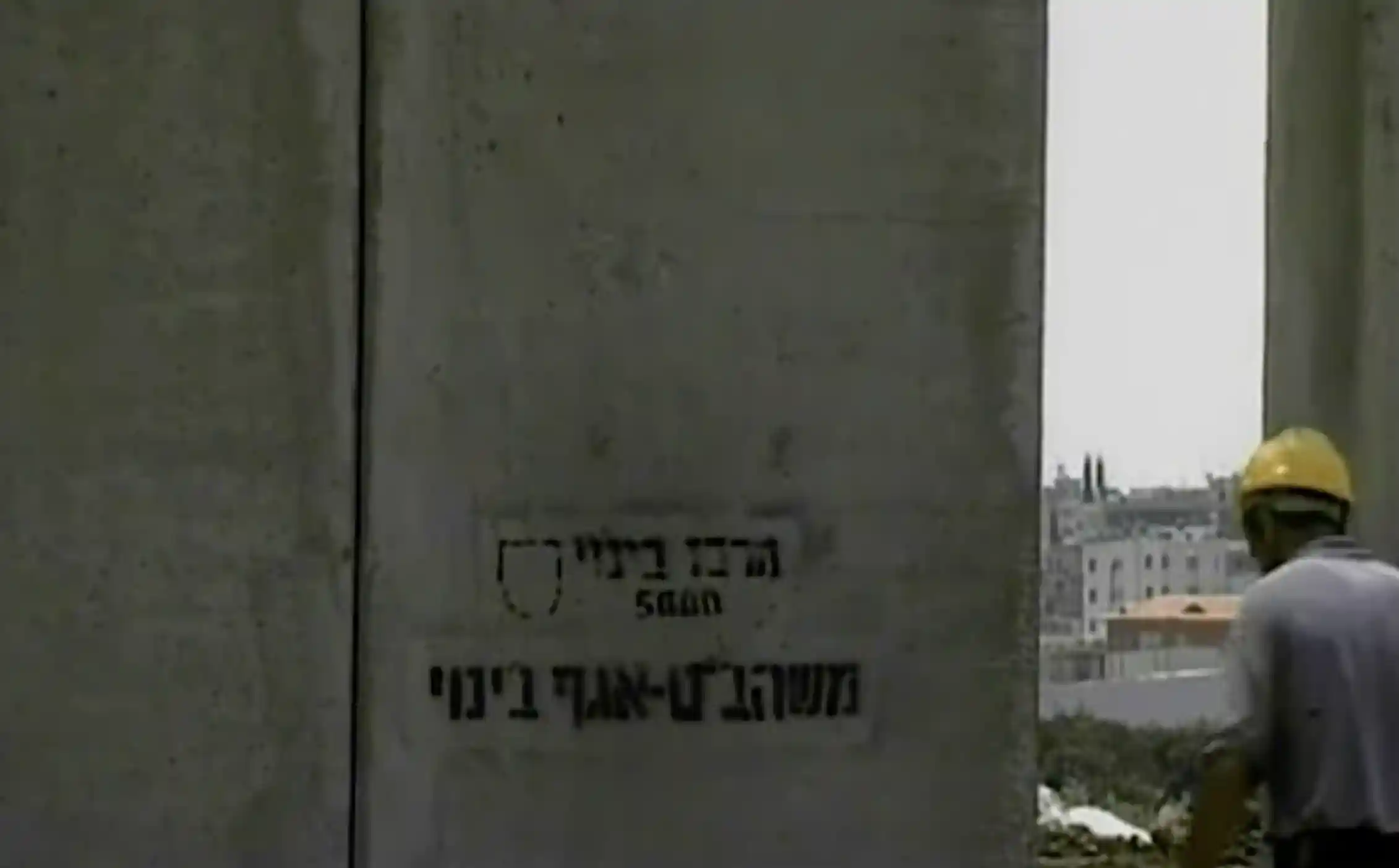
In a 2004 documentary, a concrete slab slowly lowers to complete the West Bank barrier, inch by inch hiding a Palestinian community from view. The scene captures decades of Israeli walls, checkpoints and surveillance that seal off Palestinians from the rest of society.
Gaza has been sealed off for decades
Israel fenced in the Gaza Strip during the nineteen nineties and has blockaded it since two thousand seven, citing security concerns. The barriers make it nearly impossible to document Palestinian suffering, as international journalists are largely barred from entering independently.
New film breaks the silence
Israeli filmmakers Yuval Abraham and Rachel Szor premiered NAZA at the Venice Film Festival in September two thousand twenty six. The film features anonymous testimony from twenty four Israeli military and intelligence officers discussing how they use artificial intelligence to target Hamas officials while accepting large numbers of civilian casualties.
NAZA means collateral damage
The film's title comes from the Hebrew phrase nezek agavi, meaning collateral damage. It's the Israeli military's threshold system for how many civilian deaths are acceptable in strikes on Gaza since the October seventh, two thousand twenty three attacks by Hamas.
Separation enables distance
The film's power lies in showing how Israeli soldiers conduct strikes on Gaza from a distance, using artificial intelligence and computer screens. This clinical approach only works because Israel has systematically isolated Palestinians over decades through walls, blockades, permits restrictions and settlement expansion.
Victims remain unseen
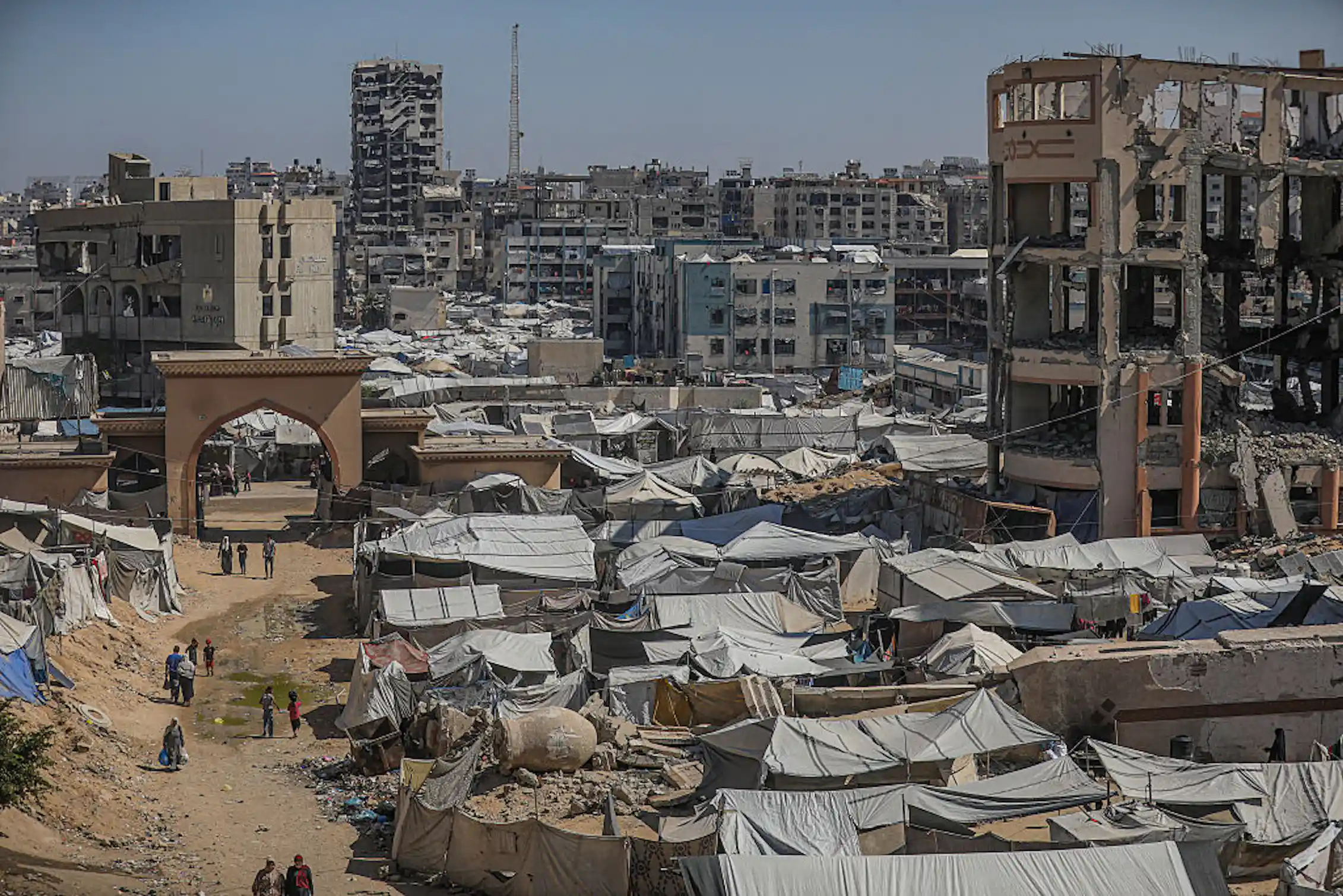
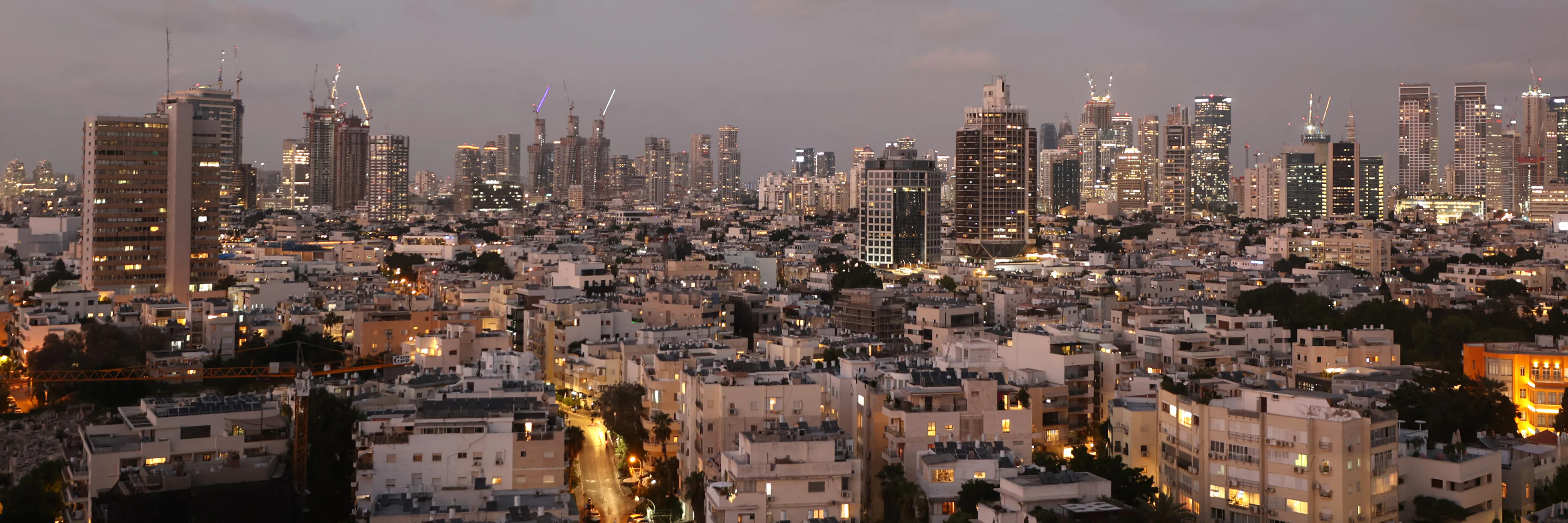
NAZA juxtaposes audio of Israeli soldiers' testimony with shots of Tel Aviv at night, never showing the victims themselves. Gaza City sits just forty three miles from Tel Aviv, yet the two seem worlds apart due to the physical and cultural barriers between them.
Darkness obscures the reality
The film's choice to shoot primarily at night in darkness, using disembodied voices, highlights how these events have been obscured in Israel and around the world. The Israeli government has called the film a deliberate distortion of reality and threatened to revoke the directors' citizenship.
“deliberate distortions of reality”
Free streaming coming soon
In response to backlash surrounding the film, the filmmakers announced that NAZA will be available to stream for free beginning in November two thousand twenty six. This makes the whistleblower testimony accessible to anyone worldwide.
Palestinian invisibility in cinema
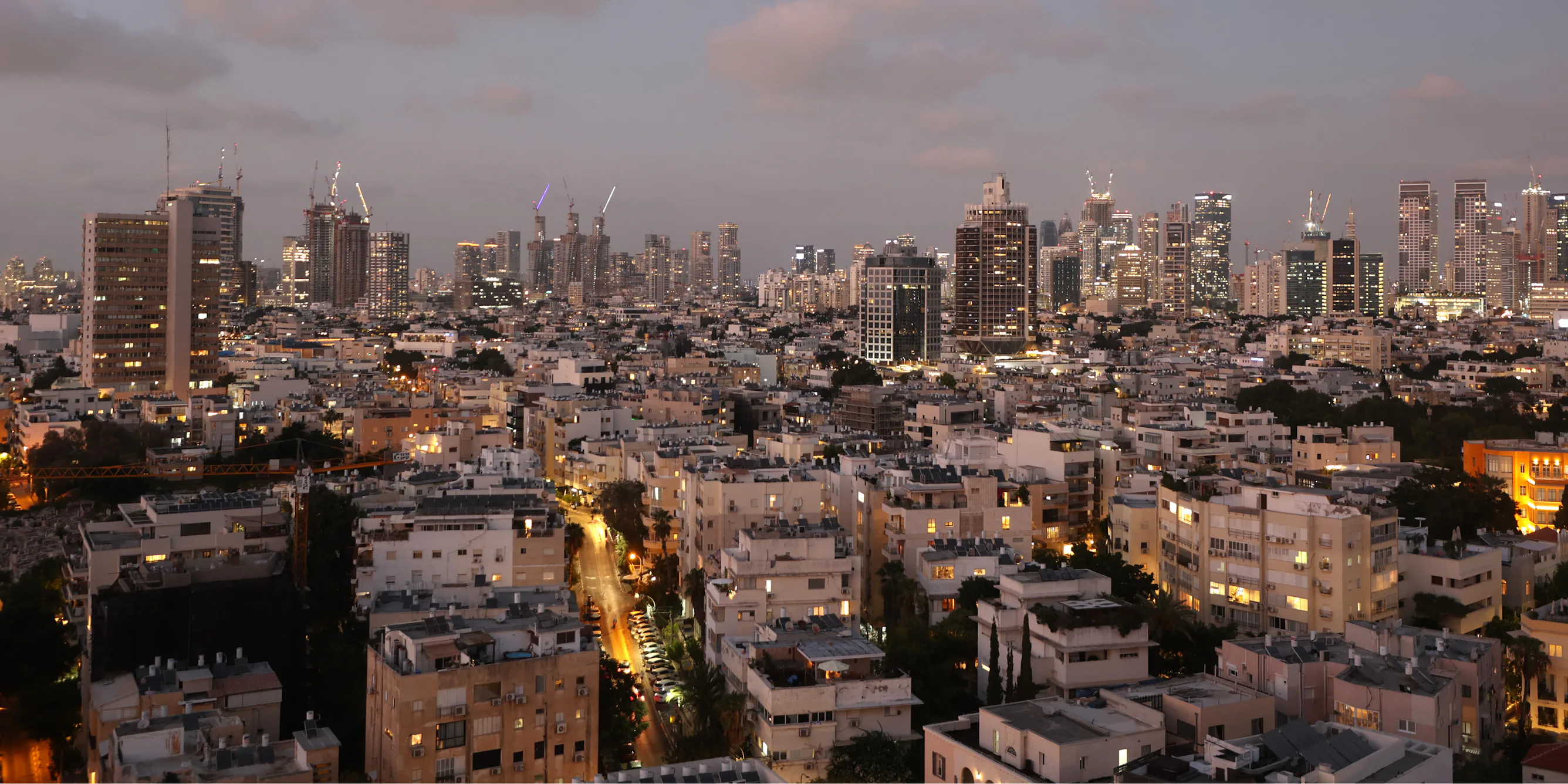
NAZA is far from the first film to highlight Palestinian invisibility. Earlier works like Divine Intervention, Checkpoint, Omar and two hundred Meters all explored how Palestinians are trapped by Israeli barriers and restrictions, but received less global attention than NAZA.
The shooting and crying problem
NAZA grapples with a trope in Israeli films called shooting and crying, which focuses on Israeli soldiers' moral anguish rather than Palestinian experiences. Critics say this centers Israeli guilt at the expense of Palestinian perspectives and suffering.
Israeli voices get more credence
Violence against Palestinians gains greater credence when described by Israelis themselves. Recent Palestinian narratives about Gaza like From Ground Zero and Thirteen in Gaza have received far less attention than NAZA since its premiere.
Palestinians find ways through
Despite physical and cultural barriers, Palestinians have never stopped making themselves heard. Videos and images shared directly to social media have allowed Palestinians to bypass restrictions on movement and connect directly with global audiences, especially since the current Gaza war began.
Isolation breeds complicity
The film reveals how separation and isolation encourage complicity. Physical distance between Israeli soldiers and their targets makes it easier to go along with or ignore what is happening, a dynamic that decades of barriers have enabled.
Here's the gist
Physical and cultural barriers that separate Palestinians from Israeli society make it easier for Israelis to ignore the human cost of military operations.