From The Conversation · Robert A. Strong · · 2m
How midterm elections reshape American politics
Two dramatic 19th-century midterms show how election results between presidencies can trigger lasting political realignments.
In brief
Two dramatic 19th-century midterms show how election results between presidencies can trigger lasting political realignments. Midterm elections matter as much as presidential ones. Large seat shifts signal major political change, while smaller ones force sitting presidents to recalibrate strategy. Originally reported…
The 1874 turning point
President Grant faced scandals and economic hardship. Democrats won over 90 House seats, ending Republican dominance that began with Lincoln's 1860 election.
Reconstruction undone in 1874
White Southerners used violence and intimidation to suppress Black voter turnout. Democrats controlled Southern states and the House, dismantling Reconstruction protections.
The 1876 deal was just icing

The contested Hayes-Tilden election and the compromise to withdraw federal troops from the South happened after the 1874 midterms had already shifted power.
Two decades of stalemate
Between 1874 and 1896, no president won a popular vote majority or held unified government for more than two years. Political gridlock was the norm.
Cleveland's 1894 disaster
A financial panic and economic collapse hit during Cleveland's second term. Democrats lost over 100 House seats, the biggest defeat in U.S. history.
“the biggest defeat in U.S. history”
McKinley's Republican era begins
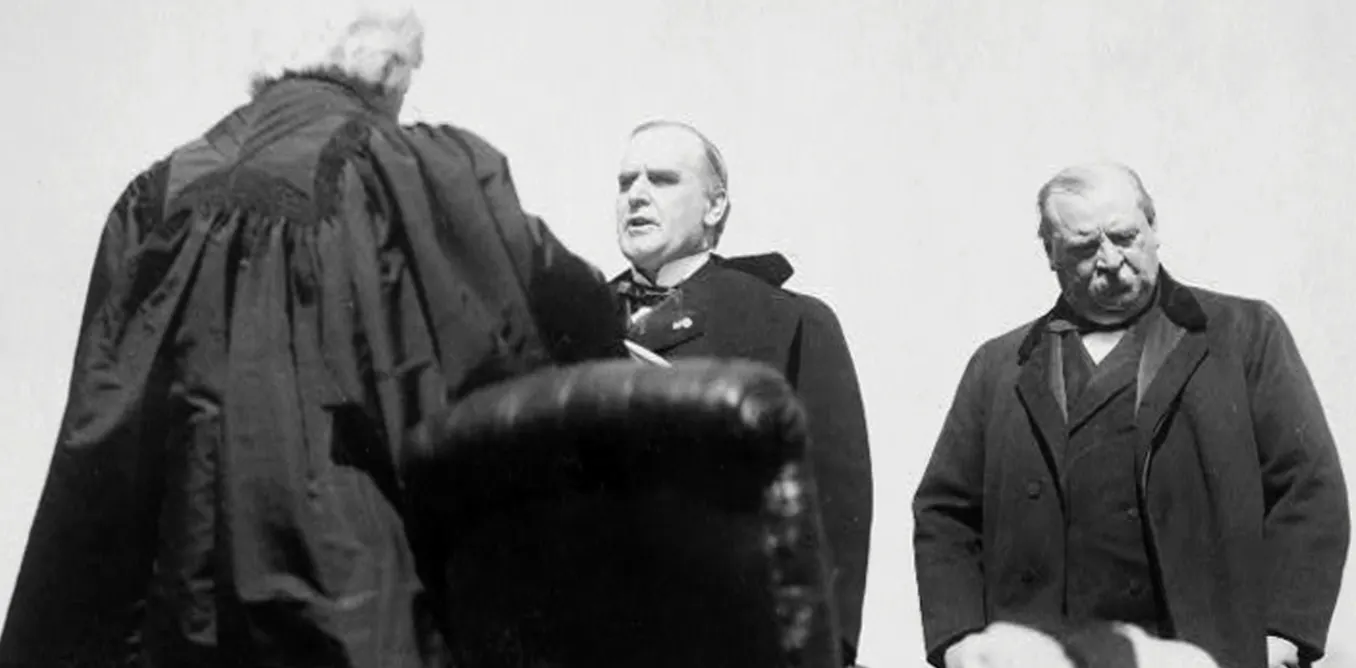
The 1894 midterms triggered a realignment that made McKinley's 1896 election the start of Republican dominance lasting decades. Teddy Roosevelt later invented the modern presidency.
Wake-up call elections
Huge seat shifts like 1874 and 1894 are rare. Smaller midterm losses of 40 or more seats force sitting presidents to change strategy, as happened to Truman, Eisenhower, Johnson, and others.
How presidents responded
Truman, Clinton, and Obama won reelection despite House losses. Eisenhower couldn't run again, Johnson withdrew, and Ford and Trump lost to the other party.
2026 likely to be a wake-up call
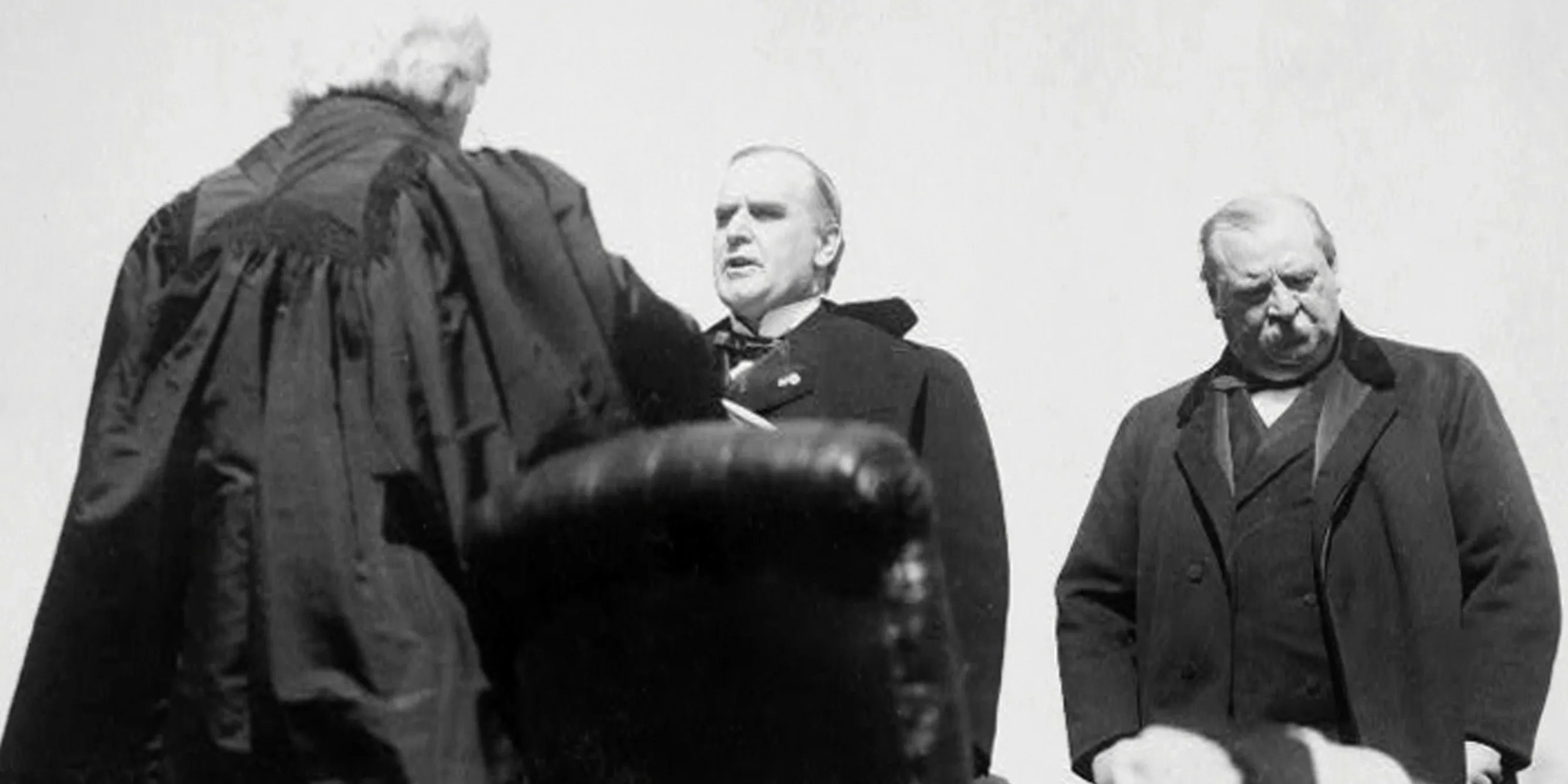
Democrats need only a handful of district flips to retake the House. Trump's low approval ratings suggest Republicans will lose seats, following an 80-year pattern.
Midterms matter more than you think
Midterm results can signal lasting political change or force a president to recalibrate. The 2026 outcome will have significant consequences for American politics.
The main idea
Midterm elections matter as much as presidential ones. Large seat shifts signal major political change, while smaller ones force sitting presidents to recalibrate strategy.