From The Conversation · Edward D. Melillo · · 3m
How soybeans quietly took over America
Almost nobody eats a plate of soybeans, yet the crop is inside the oil, the chocolate and the fuel tank.
In brief
Almost nobody eats a plate of soybeans, yet the crop is inside the oil, the chocolate and the fuel tank. Soy conquered the American diet not by winning us over, but by becoming invisible inside cheap processed food. Originally reported by The Conversation.
800 pounds each
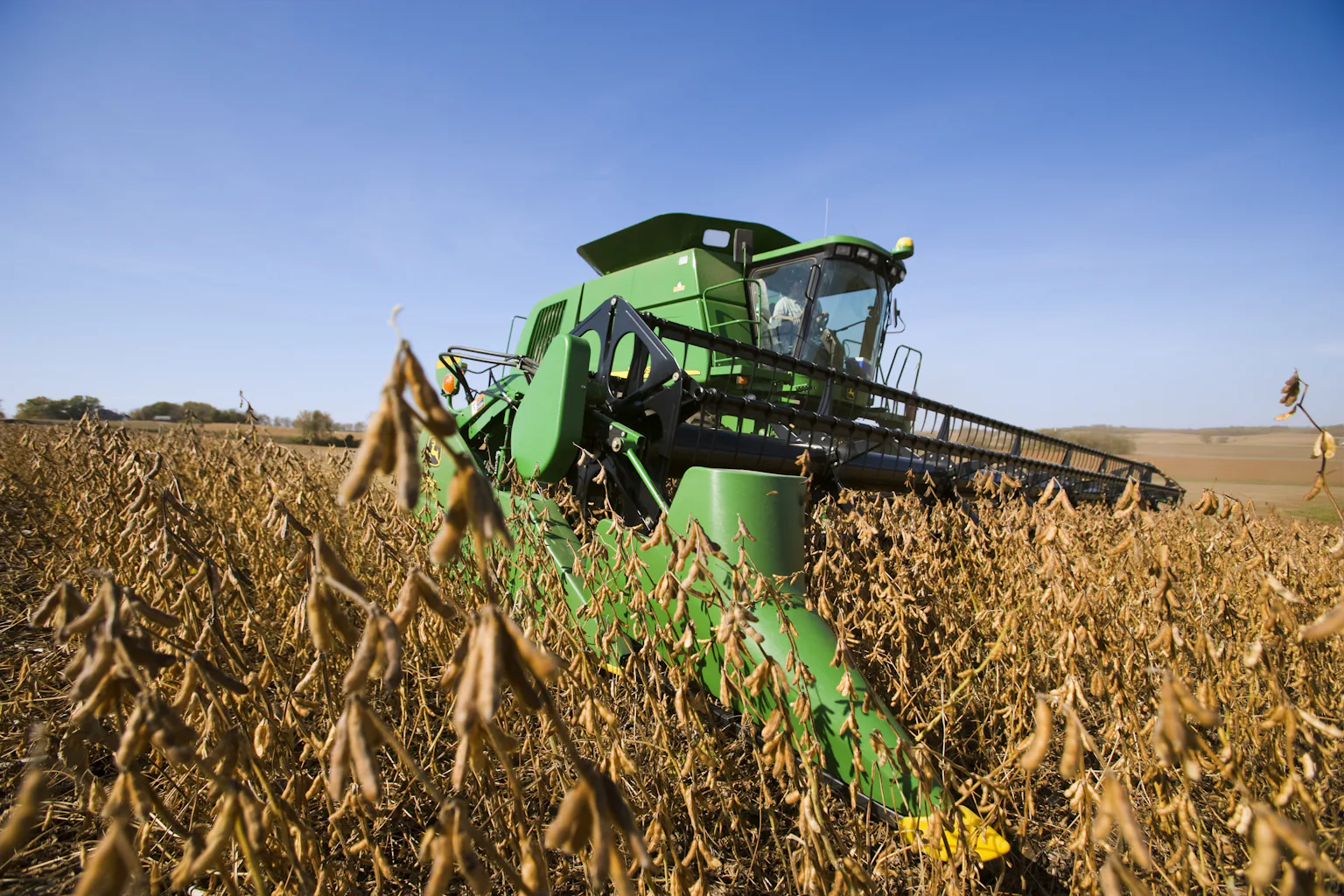
US farmers are projected to harvest a record 4.52 billion bushels of soybeans in 2026. That works out to roughly 800 pounds of soybeans for every single American.
Hiding in plain sight
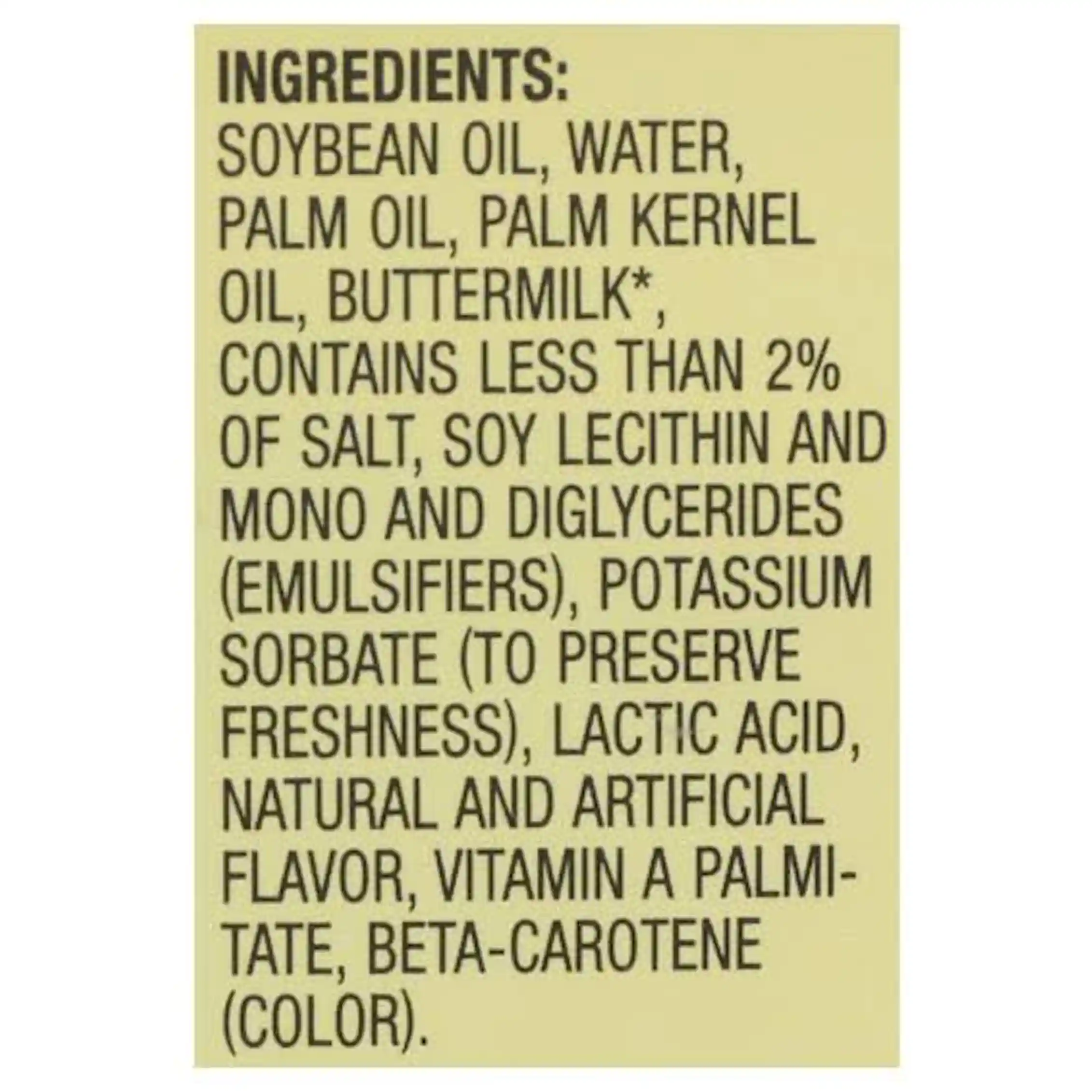
Few of us sit down to a bowl of soybeans. Soybean oil is in dressings, mayo, baked goods and infant formula; lecithin emulsifies chocolate and bread; soy protein fills energy bars and canned soup.
A very old Chinese crop
Chinese farmers domesticated the soybean from a wild ancestor between 6,000 and 9,000 years ago. By the first millennium B.C.E. it was one of the recognized "five grains".
A sailor's souvenir
In 1764 an English sailor, Samuel Bowen, brought soybeans to Savannah from China. He patented a soy sauce method in 1767, then the whole venture faded after his death.
Government plant hunters
Around 1900 USDA explorer Frank Meyer gathered dozens of Chinese varieties. Researchers Piper and Morse tested them in Virginia, then shipped the best to experiment stations nationwide.
Crushing changes everything
Americans first grew soy as livestock forage. Industrial crushing in the 1910s split the bean into two commodities: protein meal for animals, and oil for margarine, paint and soap.
Ford's other obsession
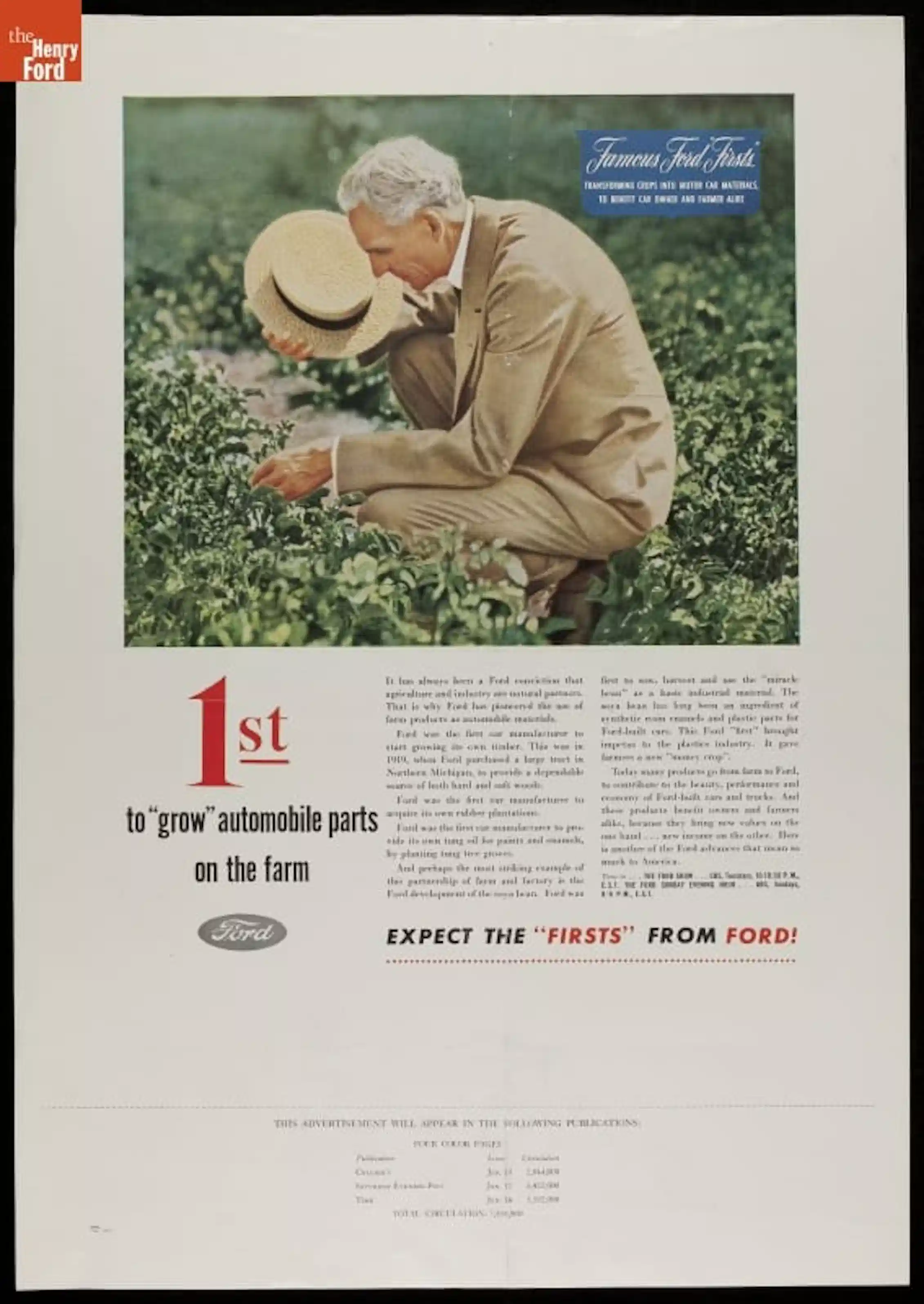
Fortune noticed in 1933 that Henry Ford cared about the soya bean as much as the V-8. He planted 300 varieties on 8,000 Michigan acres, hunting for car parts.
“as much interested in the soya bean as he is in the V-8”
A car made of beans
Soy oil went into Ford paint, soy meal into molded plastic. By 1935 every Ford car used about a bushel, and in 1941 he unveiled a Soybean Car with 14 soy plastic panels.
The vile soybean lunch
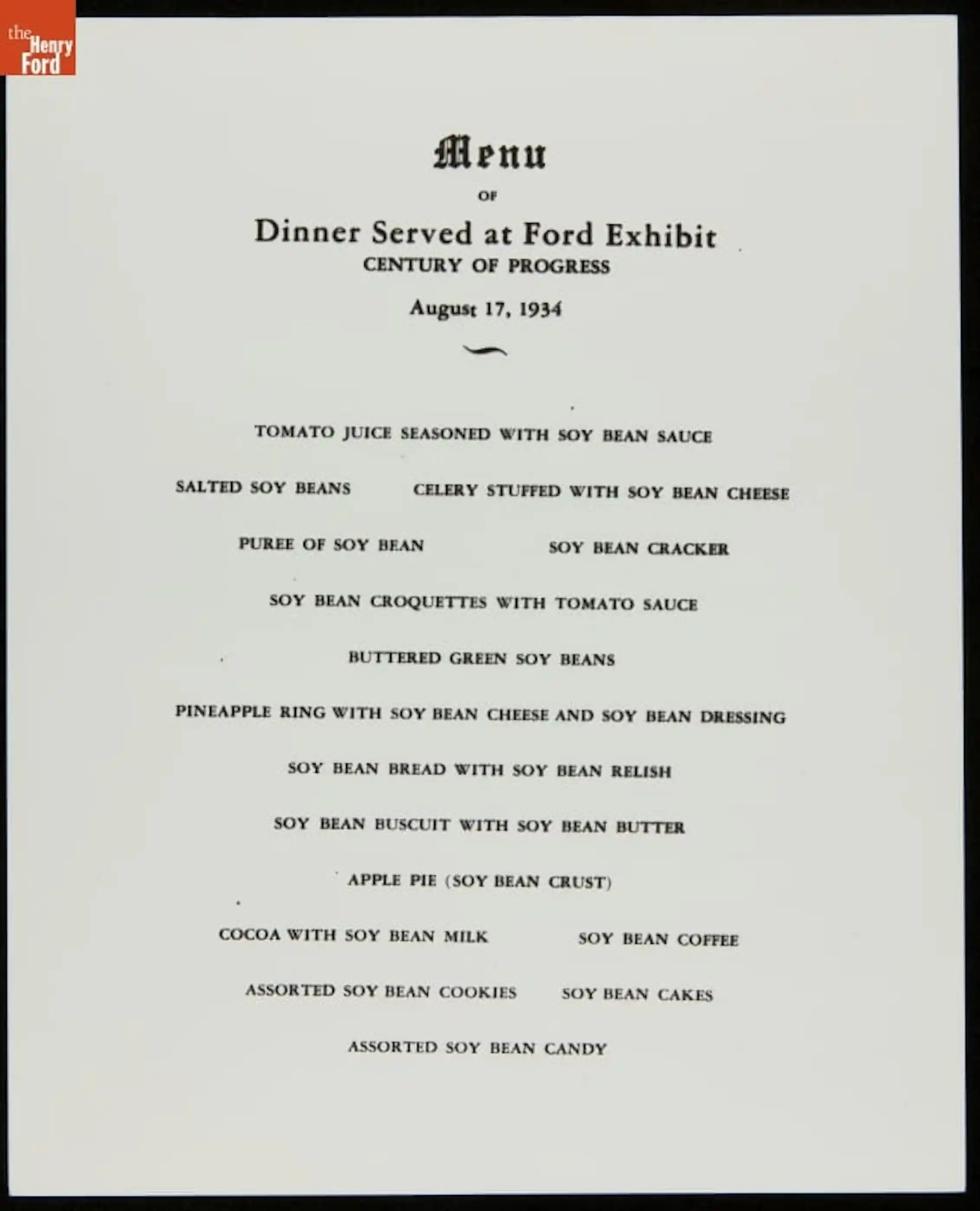
Ford fed 30 reporters soy puree, soy cheese, soy coffee and apple pie in a soybean crust at the 1934 Chicago expo. One employee called the test biscuits the worst thing he ever tasted.
“the most vile-tasting things you ever put in your mouth”
War made it ordinary
Cut off from imported fats, wartime processors turned to soybean oil. Postwar livestock demand for meal left a river of cheap oil that manufacturers had to find a home for.
Butter loses to margarine
Hydrogen turned soy oil into shortening and margarine. Between 1942 and 1972, butter fell from 16.4 to 5 pounds per person while margarine climbed from 2.9 to 11.1 pounds.
Now it fuels the bus
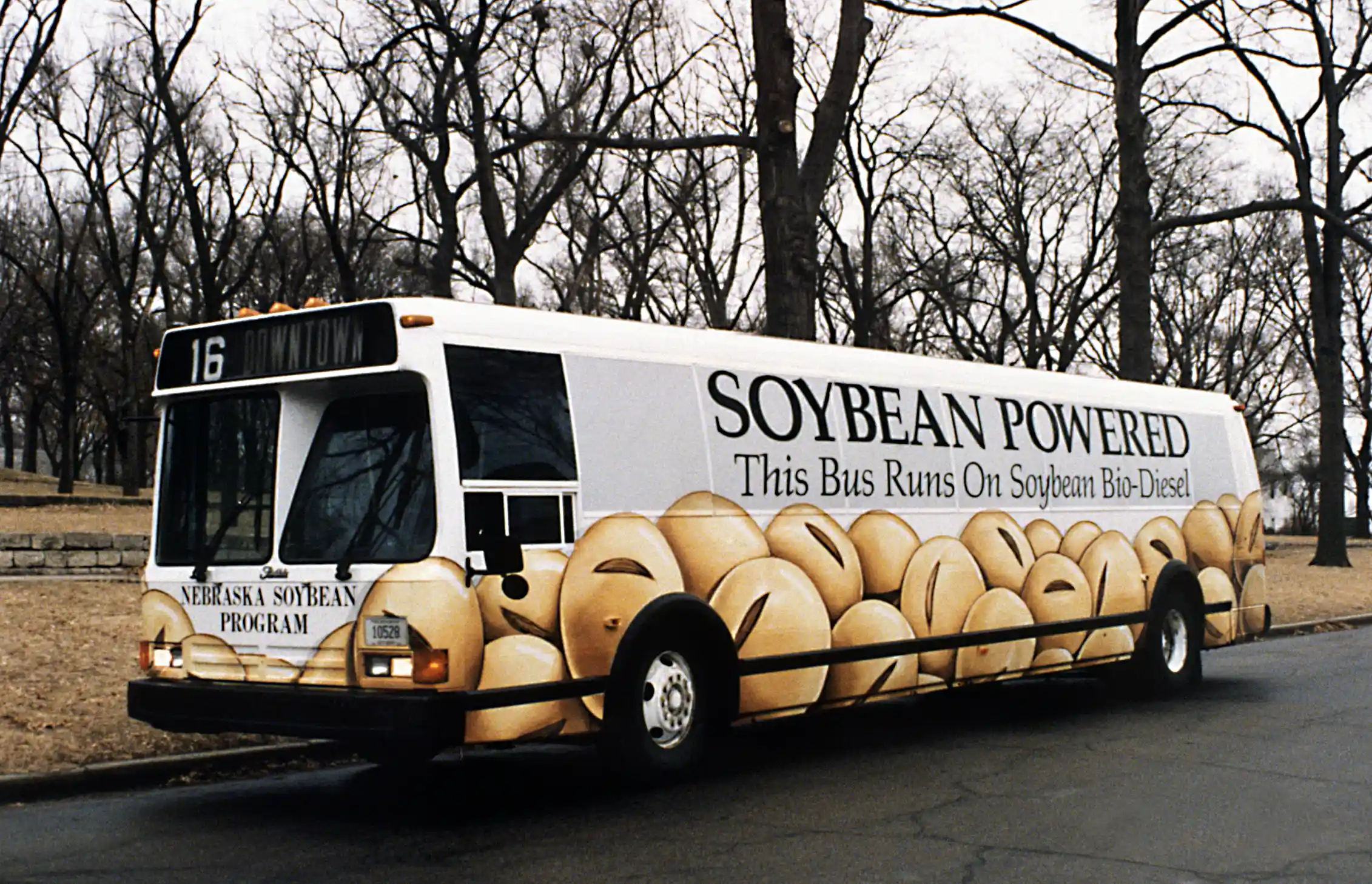
By 2008 soybean oil was about 80% of America's edible oils. Federal renewable fuel rules, tightened again in March 2026, now pull it into biodiesel and jet fuel.
“his obsession with the crop looks less eccentric than prophetic”
The short version
Soy conquered the American diet not by winning us over, but by becoming invisible inside cheap processed food.





