From The Conversation · Firmesk Rahim · · 1m 20s
Iraqi Kurds see opportunities and risks in US troop withdrawal
US troops leave Iraqi Kurdistan, creating security shifts and new opportunities for Kurdish autonomy.
In brief
US troops leave Iraqi Kurdistan, creating security shifts and new opportunities for Kurdish autonomy. Iraqi Kurds face both security risks and opportunities after US military withdrawal, with regional stability depending on Baghdad's ability to manage threats. Originally reported by The Conversation.
US troops leave Iraqi Kurdistan
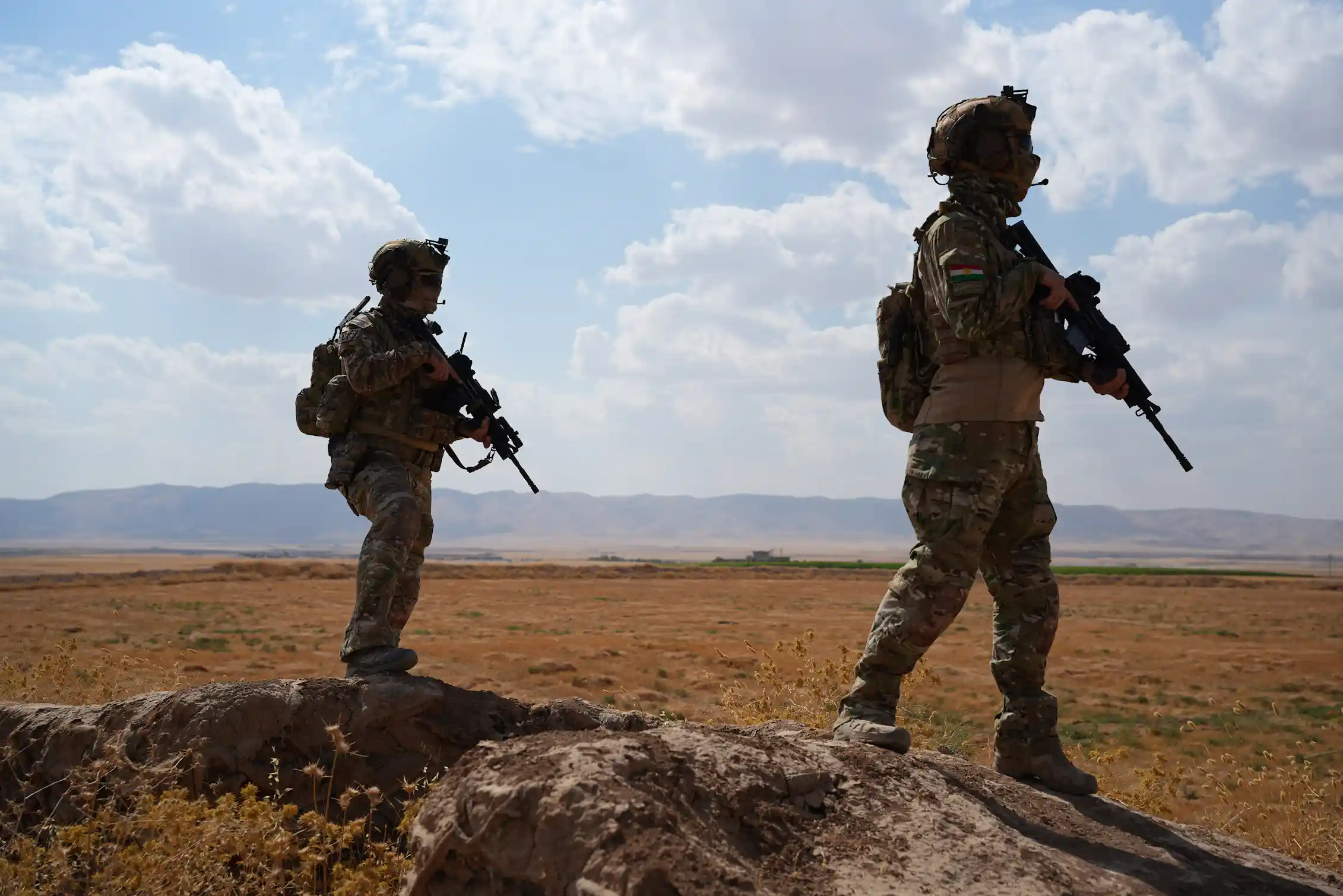
US forces departed Erbil Air Base in Iraqi Kurdistan on Sept 30, 2026, marking a shift in regional security.
Security calculus changes
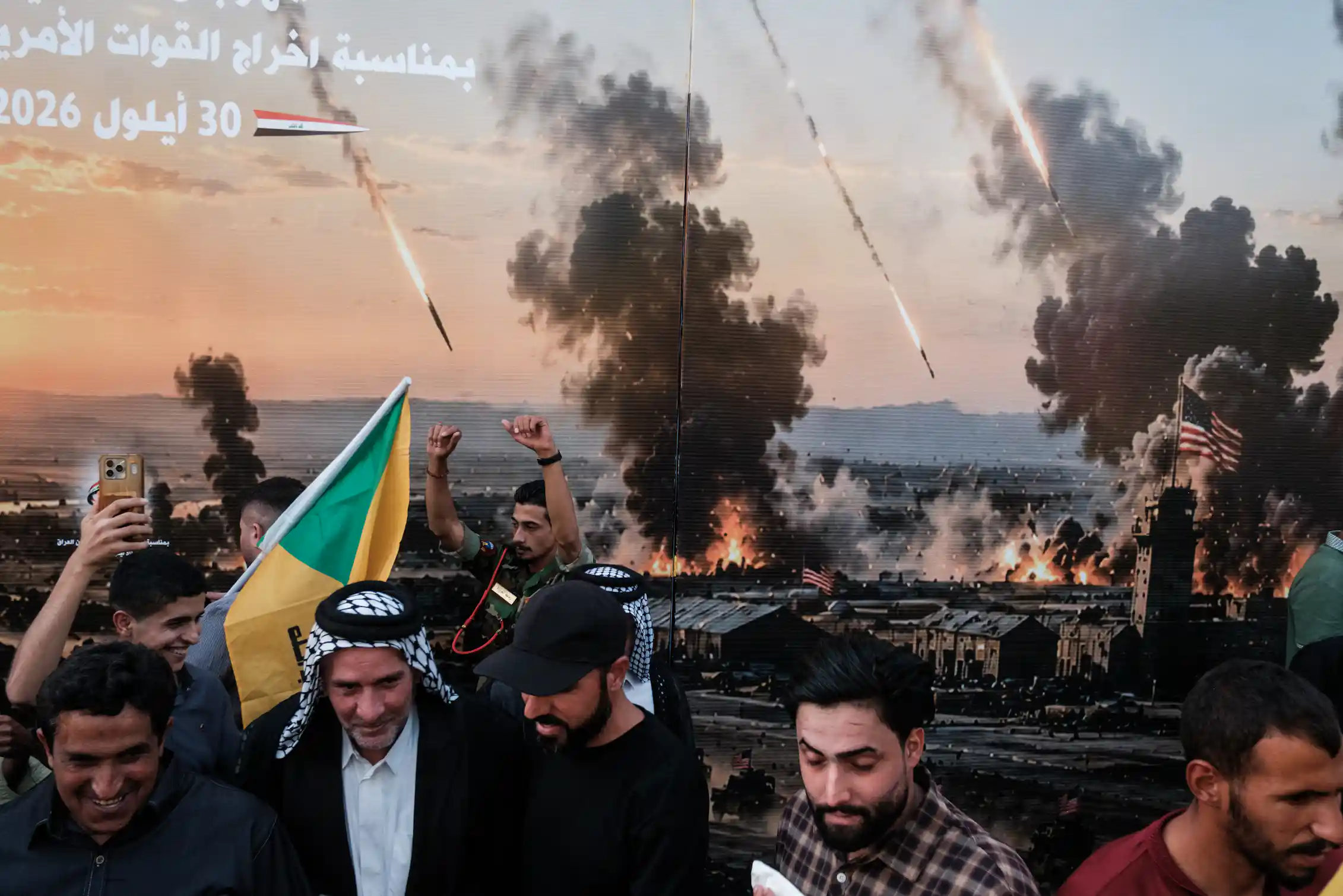
The US presence provided military protection against Iranian drone and missile attacks but also deepened regional tensions.
Kurdish security challenges
Iran-aligned militia groups have attacked Kurdish oil fields and refineries since 2017, following failed independence referendum.
Peshmerga unification
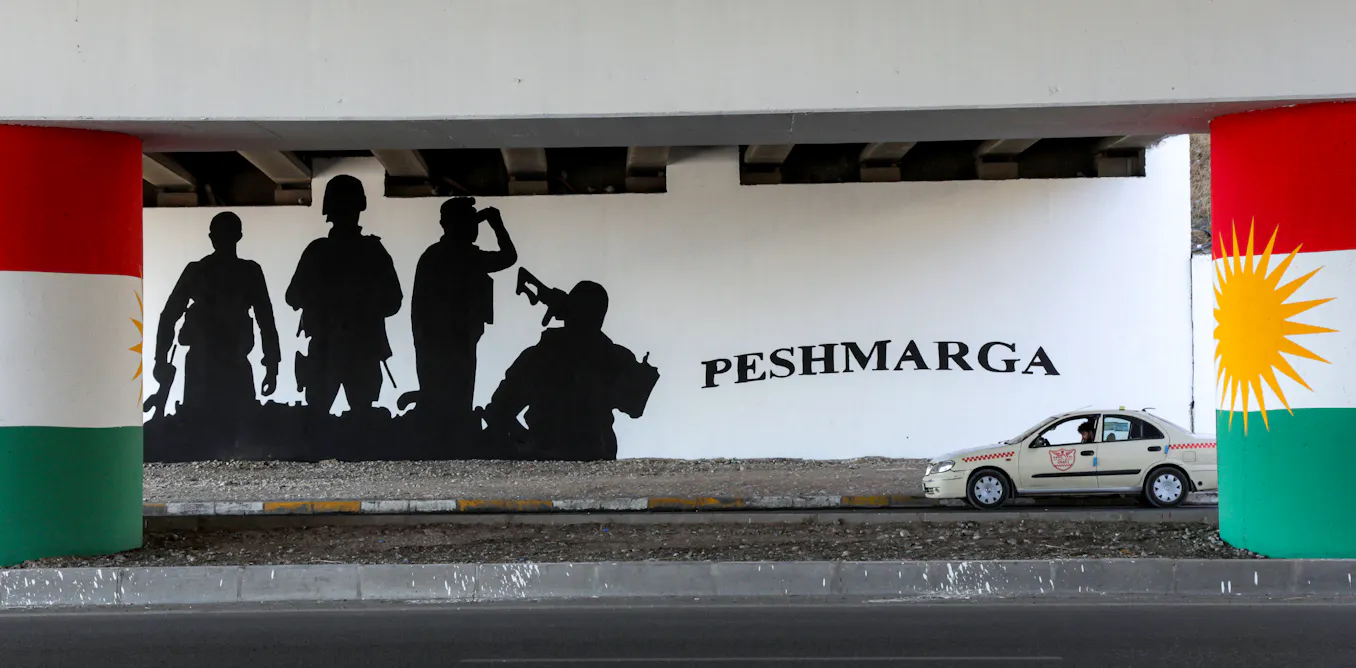
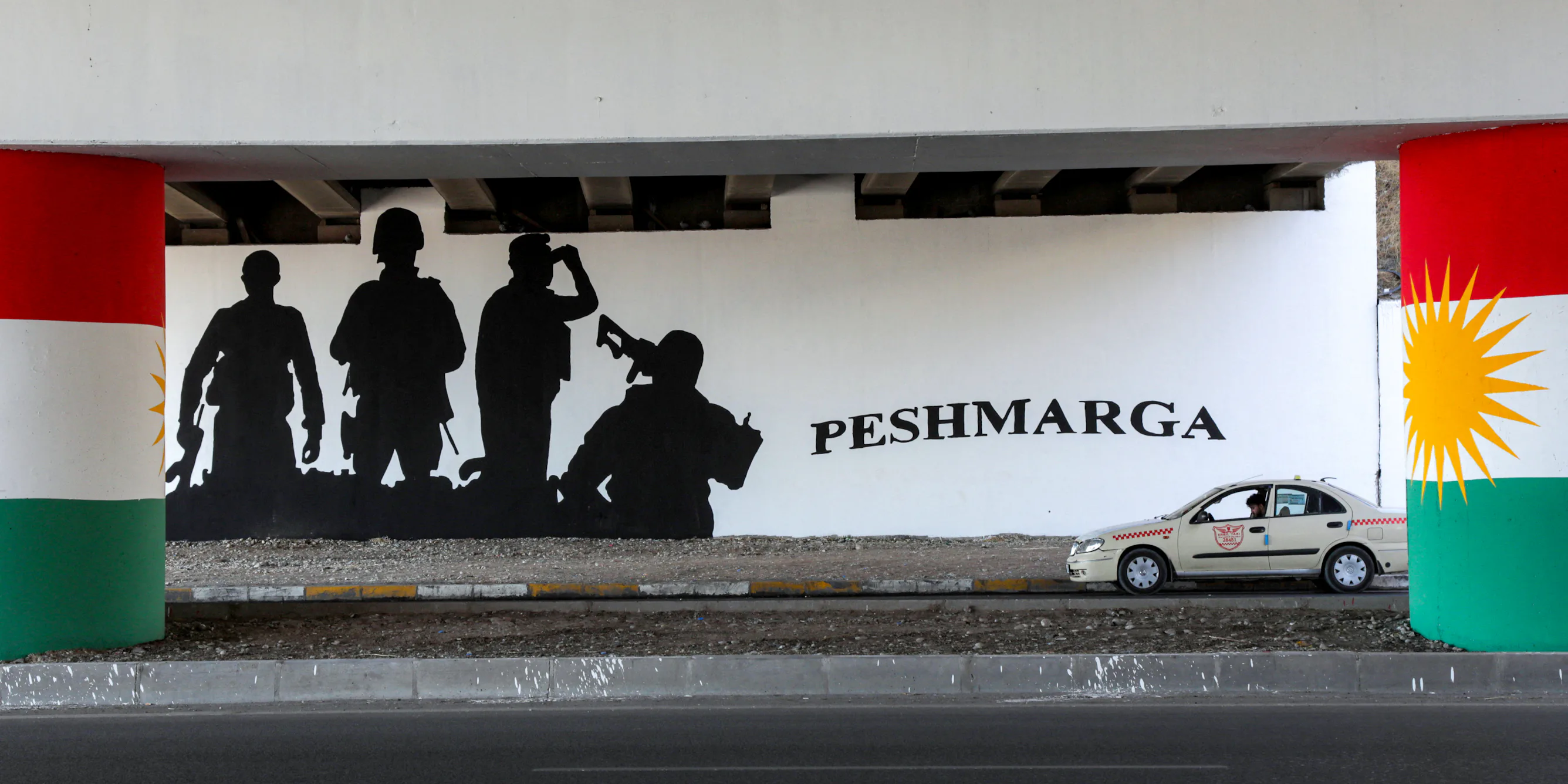
Kurdish Peshmerga forces unified under one government command structure days before US withdrawal.
Air defense gap
Kurdistan lacks air defense capabilities, making it dependent on Baghdad for protection against aerial threats.
Sovereignty test
Kurdistan's sovereignty depends on Baghdad's ability to control armed groups and secure airspace from Iranian threats.
US-Kurdish relationship shift
US completed a new consulate in Irbil in 2025, creating economic ties beyond military support.
Security outcomes
If attacks decline after US withdrawal, Kurdish sovereignty improves; if not, security risks persist.
Regional implications
The withdrawal tests Baghdad's control over armed groups and the region's security without US military presence.
What it means
Iraqi Kurds face both security risks and opportunities after US military withdrawal, with regional stability depending on Baghdad's ability to manage threats.