From The Conversation · Mimi Hanaoka · · 1m 40s
Japan's Expensive Funerals Shift Traditions
Japan's rising funeral costs and low birth rates force families to rethink ancestral burial practices.
In brief
Japan's rising funeral costs and low birth rates force families to rethink ancestral burial practices. Japan's high funeral and grave costs, driven by declining birth rates, are making traditional burial practices unsustainable for families. Originally reported by The Conversation.
Japan's Funeral Crisis
Japan's funeral costs average 1.2 million yen (US$7,600), one-quarter of an average worker's annual salary.
Declining Birth Rates
Japan's falling birth rate means fewer people to maintain family graves and pay funeral costs.
Traditional Burial System
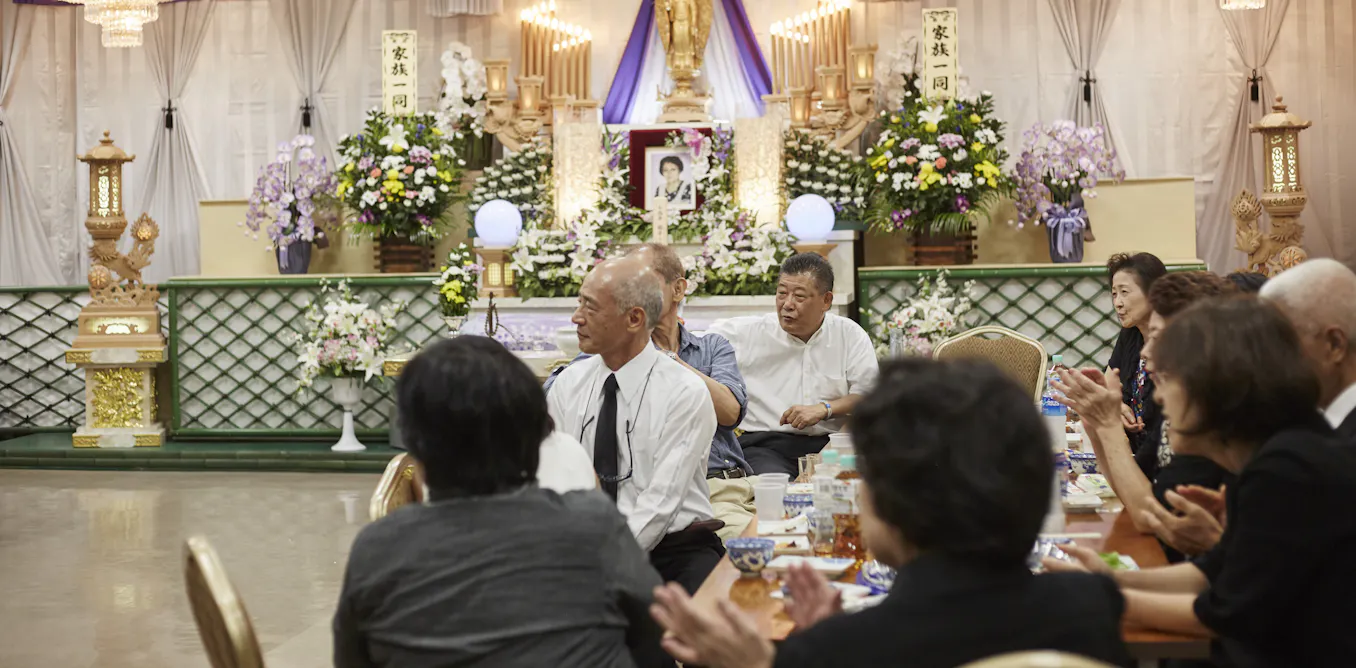
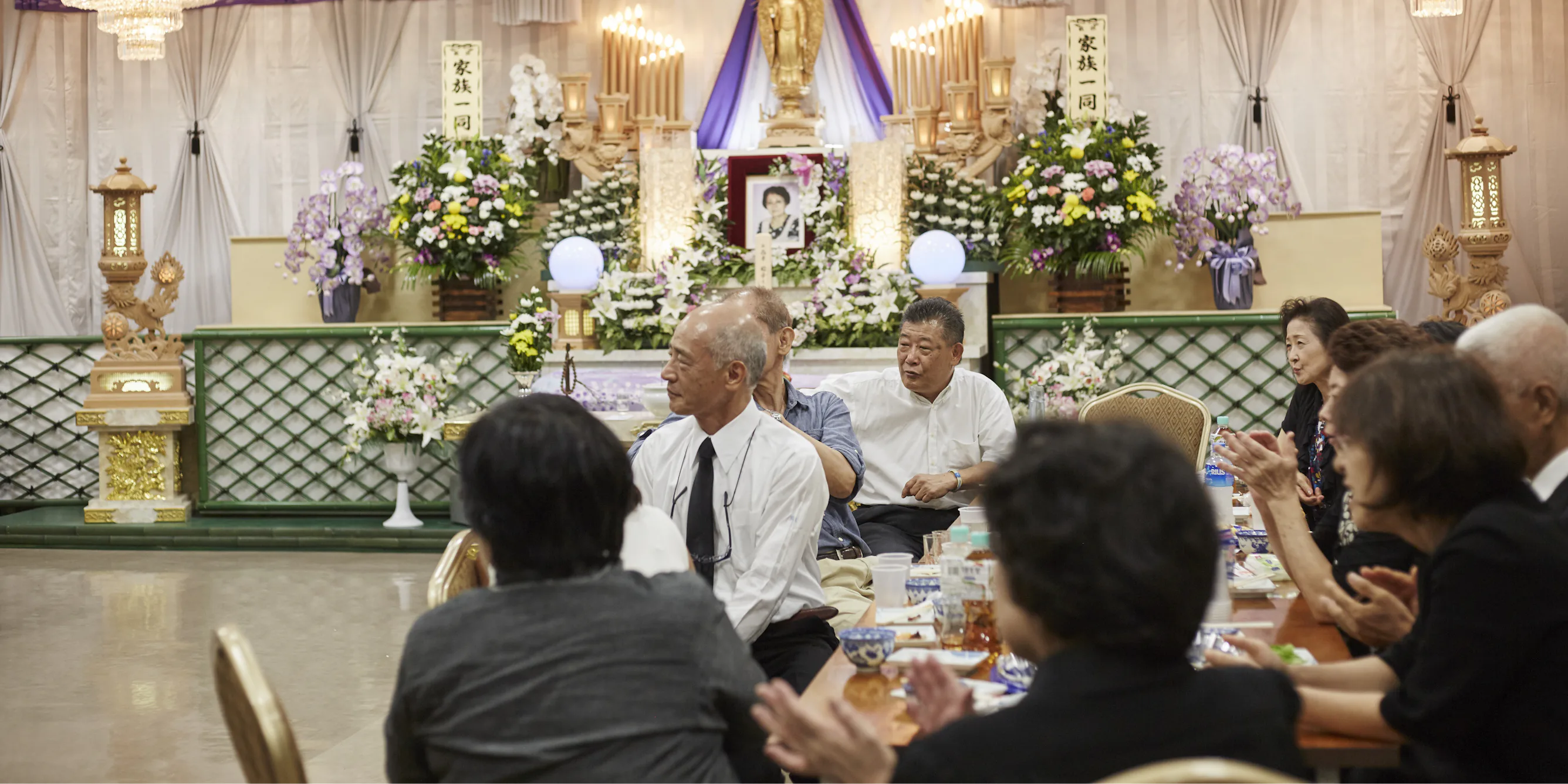
For generations, Japanese funerals relied on family, community networks, and Buddhist temples.
Cremation and Burial Process
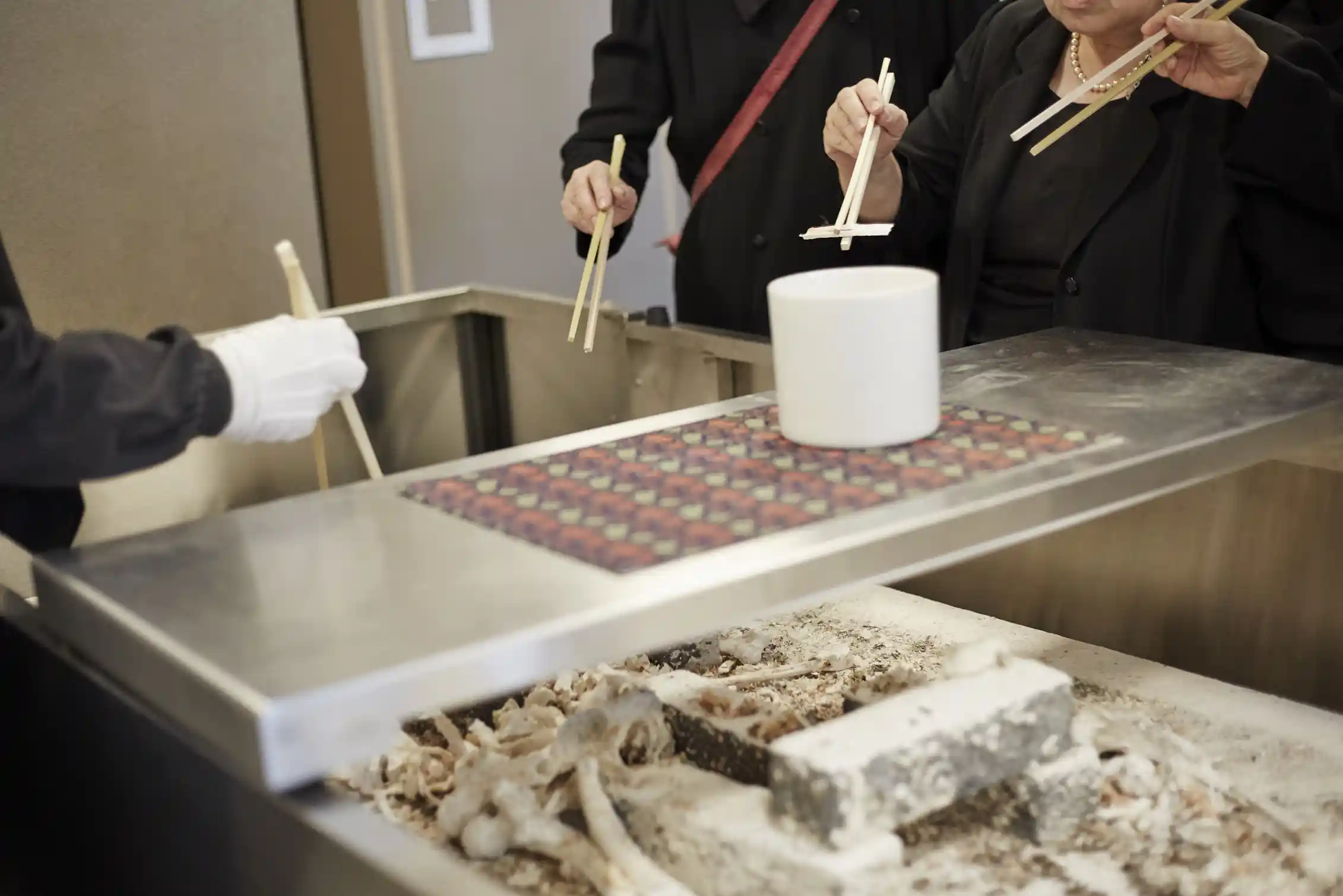
Cremation is standard for 99.7%-99.9% of Japanese burials, with bones later placed in urns and graves.
Post-Death Rituals
Buddhist rituals continue weekly for 49 days, then periodically until the third death anniversary.
Grave Costs
A grave, plot and cemetery-use fees cost 1.52 million yen (close to $10,000), 60% of an average worker's annual salary.
Annual Maintenance Fees
Descendants pay less than $40 yearly for cemetery land maintenance and rituals.
Tree Burials
Tree burials (jumokusō) account for 40% of new graves, with bones buried in or around trees.
Forest Type Burials
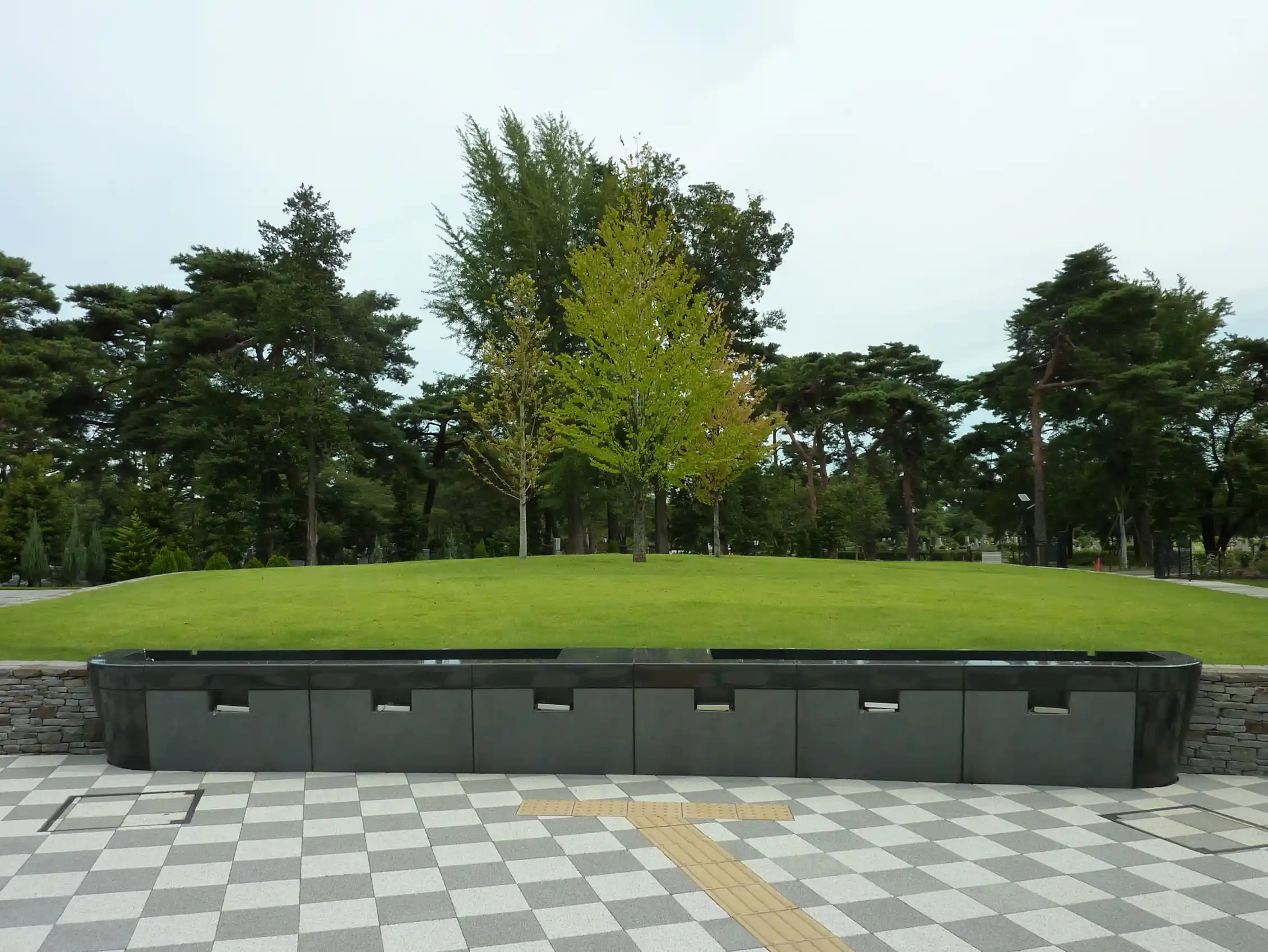
Tokyo cemeteries offer 'Forest Type' burials with no annual fees, reserving spots while alive.
Bone Buddhas
Bone buddhas use cremated remains to create statues of Amida Buddha, a rare tradition.
Hakajimai Practice
Hakajimai moves urns from family graves to communal ossuaries, ending family responsibilities.
Modern Adaptations
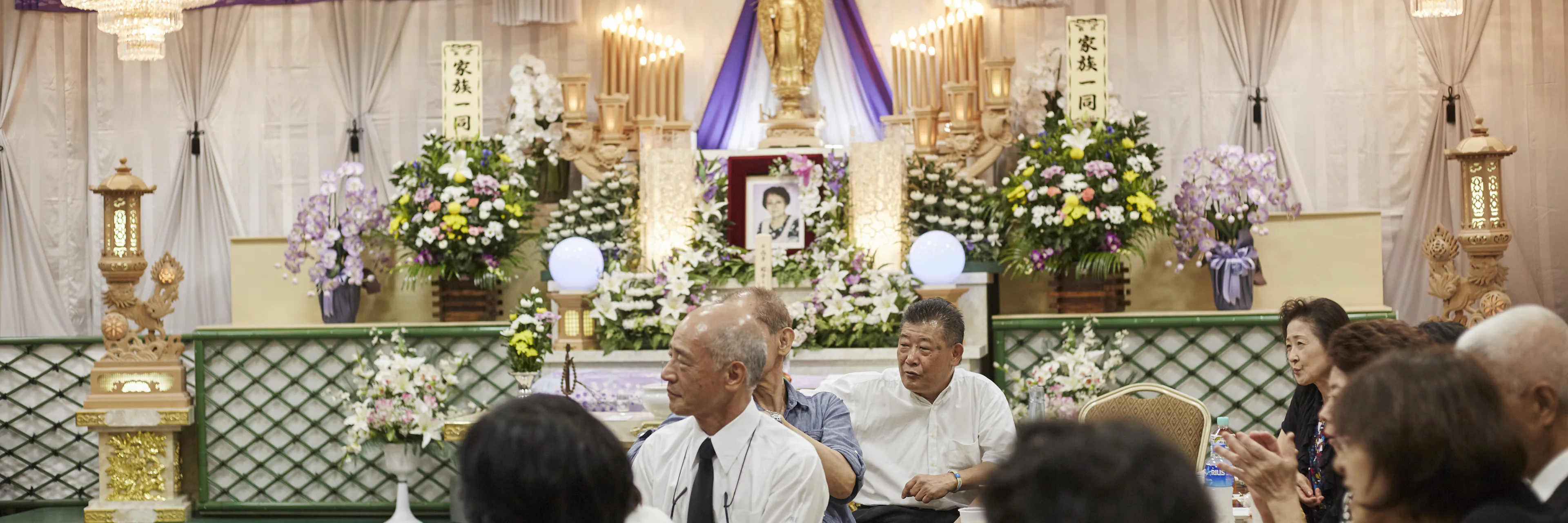
Japan's changing burial practices help families balance tradition with modern financial pressures.
The big picture
Japan's high funeral and grave costs, driven by declining birth rates, are making traditional burial practices unsustainable for families.