From The Conversation · Vahe Peroomian · · 1m 30s
Leap seconds may end with 2027 change
Timekeepers plan to drop leap seconds by 2027 after Earth's rapid rotation.
In brief
Timekeepers plan to drop leap seconds by 2027 after Earth's rapid rotation. The General Conference on Weights and Measures will end leap seconds by 2027 to manage Earth's faster rotation. Originally reported by The Conversation.
Timekeeping history

Humans didn’t always count time down to the second, but the Earth’s rotation defined a day for millennia.
Leap year and leap second
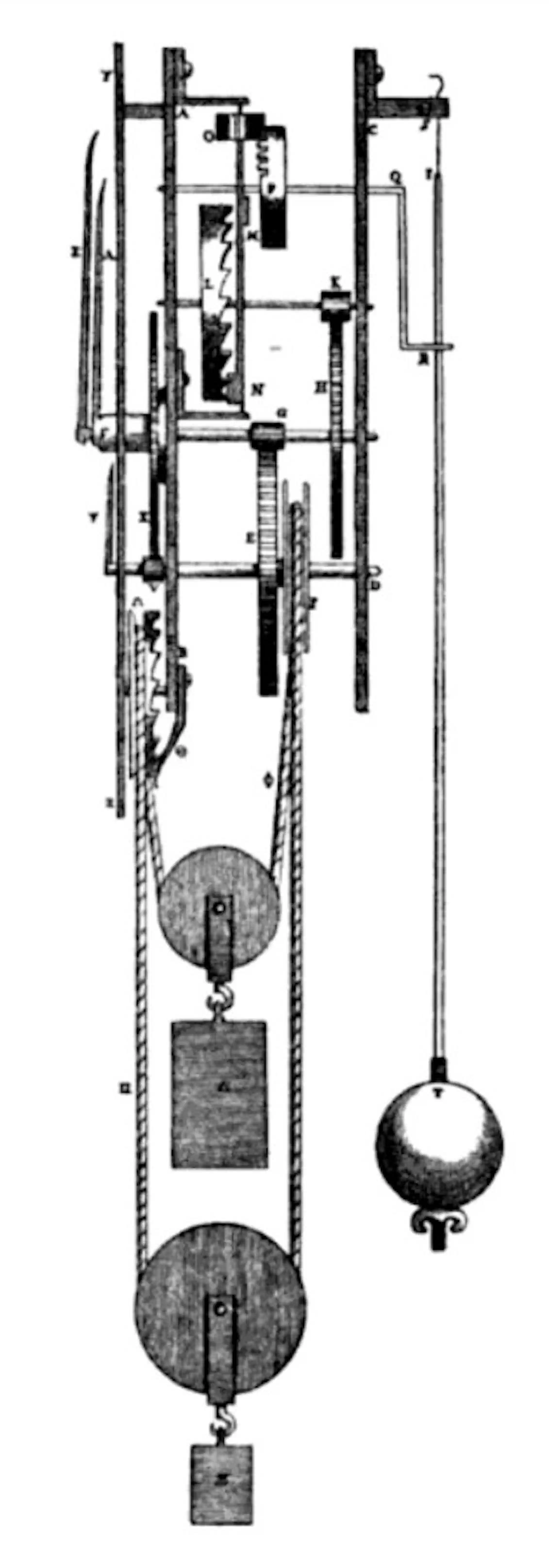
Leap years add an extra day every four years to align calendars with Earth’s orbit, while leap seconds adjust clocks to Earth’s rotation.
Earth’s rotation varies
Earth’s rotation isn’t uniform, causing time systems to drift by seconds over years.
Leap second history
Since 1972, timekeepers added 27 positive leap seconds to keep atomic clocks within 0.9 seconds of Earth’s rotation.
Leap second problems
Adding leap seconds disrupts computer systems, causing outages for companies like Reddit and Google.
“Reddit experienced an outage after a leap second was added on June 30, 2012.”
Earth’s rapid rotation
Earth has rotated faster since 2015, with 28 days in 2020 where it completed rotation before atomic clocks.
2026 decision
The General Conference on Weights and Measures will meet in October 2026 to end leap seconds by 2027.
New time system
The resolution allows UTC and UT1 to differ by up to one hour, replacing leap seconds with leap hours.
Why it matters
Astronomers and navigators must adjust for the growing time difference between atomic clocks and Earth’s rotation.
Leap seconds end
By mid-October 2026, leap seconds may be a thing of the past, but leap years continue.
The big picture
The General Conference on Weights and Measures will end leap seconds by 2027 to manage Earth's faster rotation.