From The Conversation · Vanessa M. Conzon · · 1m 10s
Remote work made colleagues more open
Remote work brought colleagues closer, not apart, according to new research.
In brief
Remote work brought colleagues closer, not apart, according to new research. Remote work increased psychological safety and personal connections among colleagues, as found in a study of 275 interviews. Originally reported by The Conversation.
Remote work shift
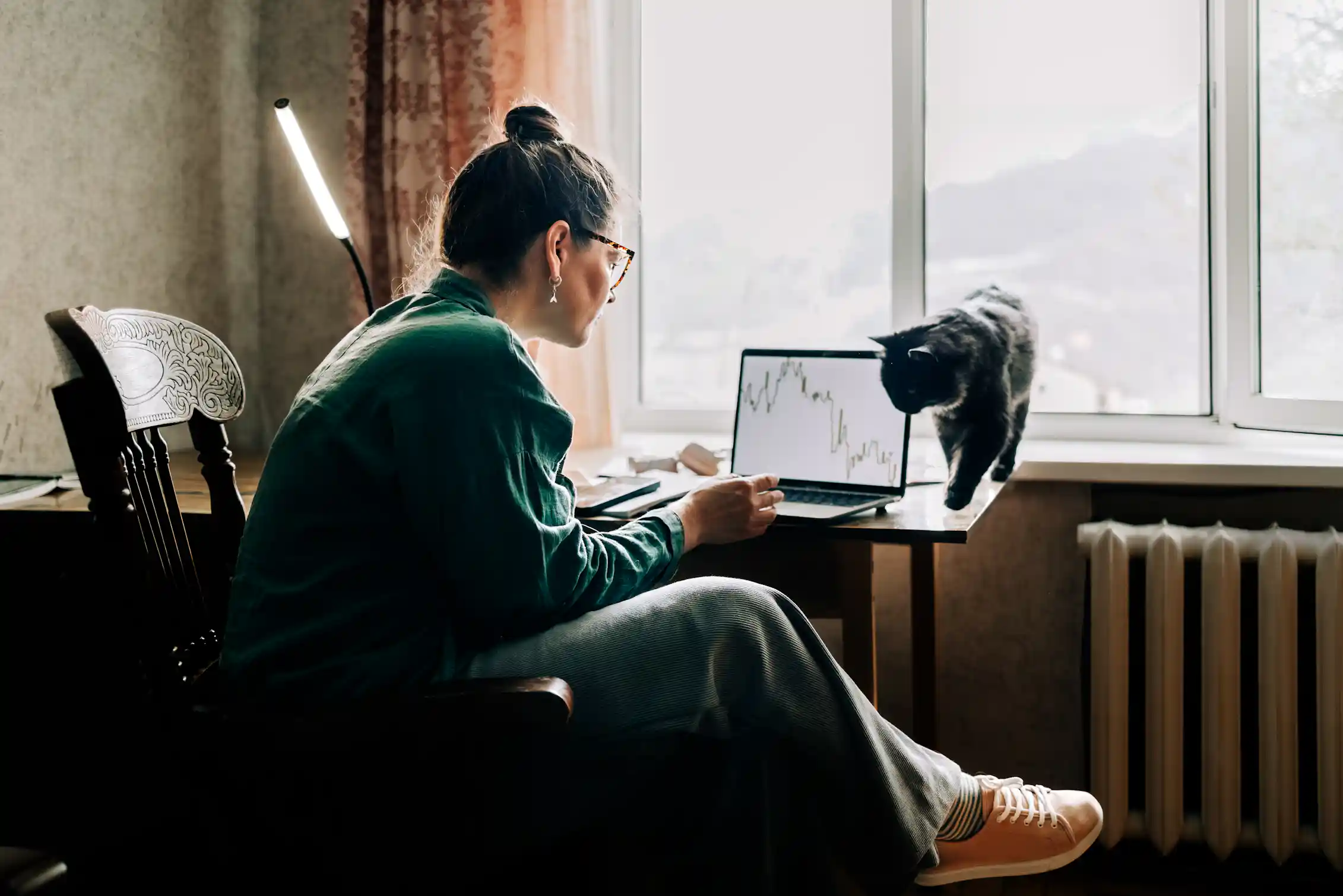
Remote work surged during the pandemic and remains common, with 36% of American workers in management roles doing some work from home as of August 2026.
Before remote work
In offices, people viewed colleagues as work partners rather than whole people, often avoiding sharing personal life details that might affect work.
“Even though you didn’t sleep last night, you’re expected to show up and smile and be fine”
Remote work benefits
Remote work increased psychological safety, allowing colleagues to share personal challenges like family issues without judgment.
“Everyone has noises in the background, or they have something going on or whatever, and so we get to know each other quicker and on a deeper level than we would otherwise”
Supporting each other

When one colleague faced personal challenges, others stepped in to help, ensuring tasks didn’t stop dead in the water.
“I’m just going to take this over for you right now”
Psychological safety
Remote work improved psychological safety, helping colleagues share personal lives without fear of negative judgment.
“Less afraid to talk about the interface of their personal and professional lives”
Long-term impact
Sharing personal details strengthened workplace connections and improved task completion without sacrificing personal time.
“Helped us to work more effectively in a lot of ways”
What happens next
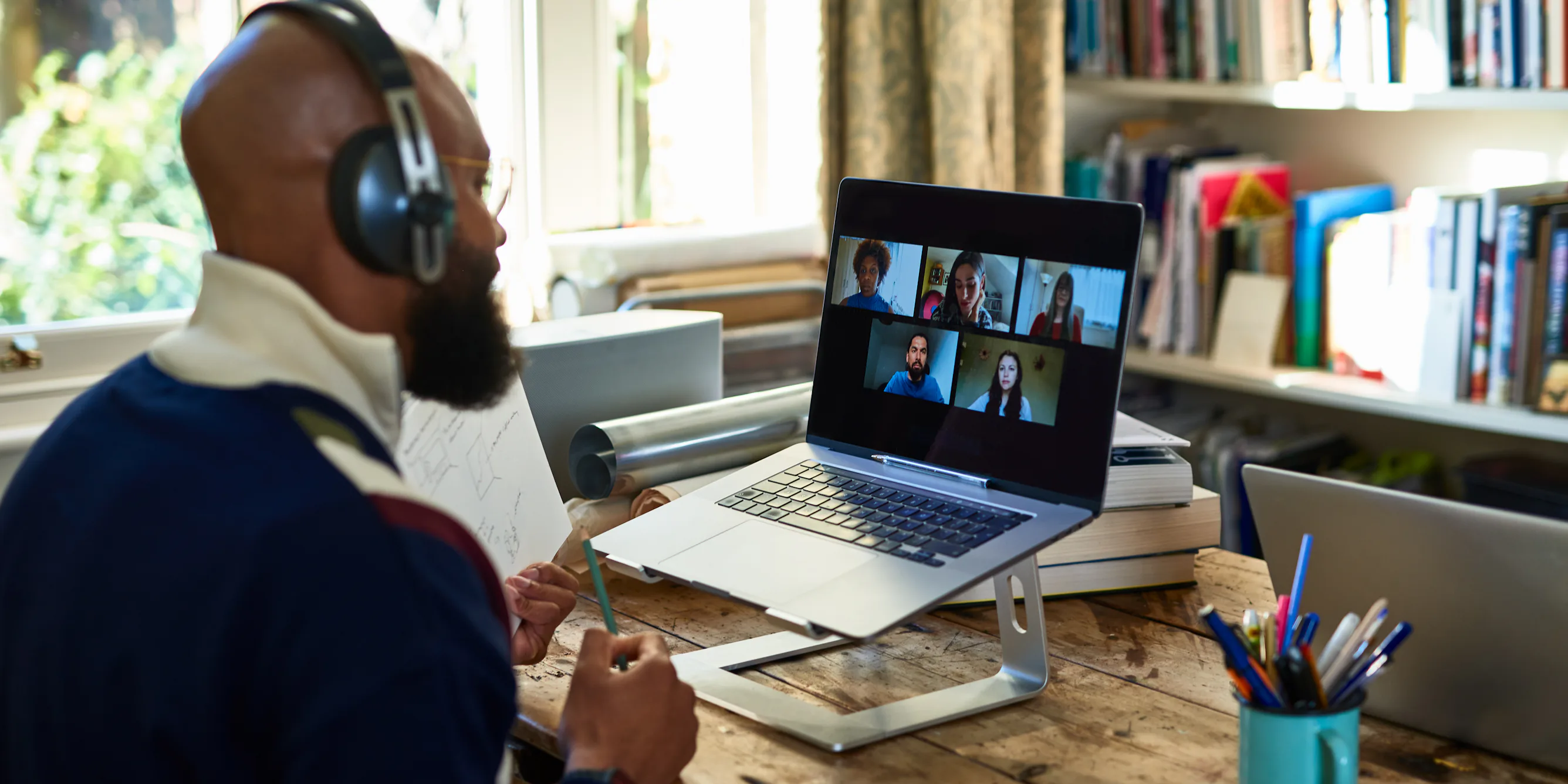
Employers and employees may treat remote work as a way to build personal connections rather than a cost to social bonds.
The one thing
Remote work increased psychological safety and personal connections among colleagues, as found in a study of 275 interviews.