From The Conversation · Karl Deisseroth · · 1m 30s
Light Controls Brain Cells: Nobel Winner Karl Deisseroth Explains Optogenetics
Neuroscientist Karl Deisseroth reveals how light controls brain cells, leading to Nobel Prize-winning optogenetics breakthrough.
In brief
Neuroscientist Karl Deisseroth reveals how light controls brain cells, leading to Nobel Prize-winning optogenetics breakthrough. Karl Deisseroth developed optogenetics using light to control neurons, enabling treatments for neuropsychiatric conditions like autism and schizophrenia. Originally reported by The…
Optogenetics Basics
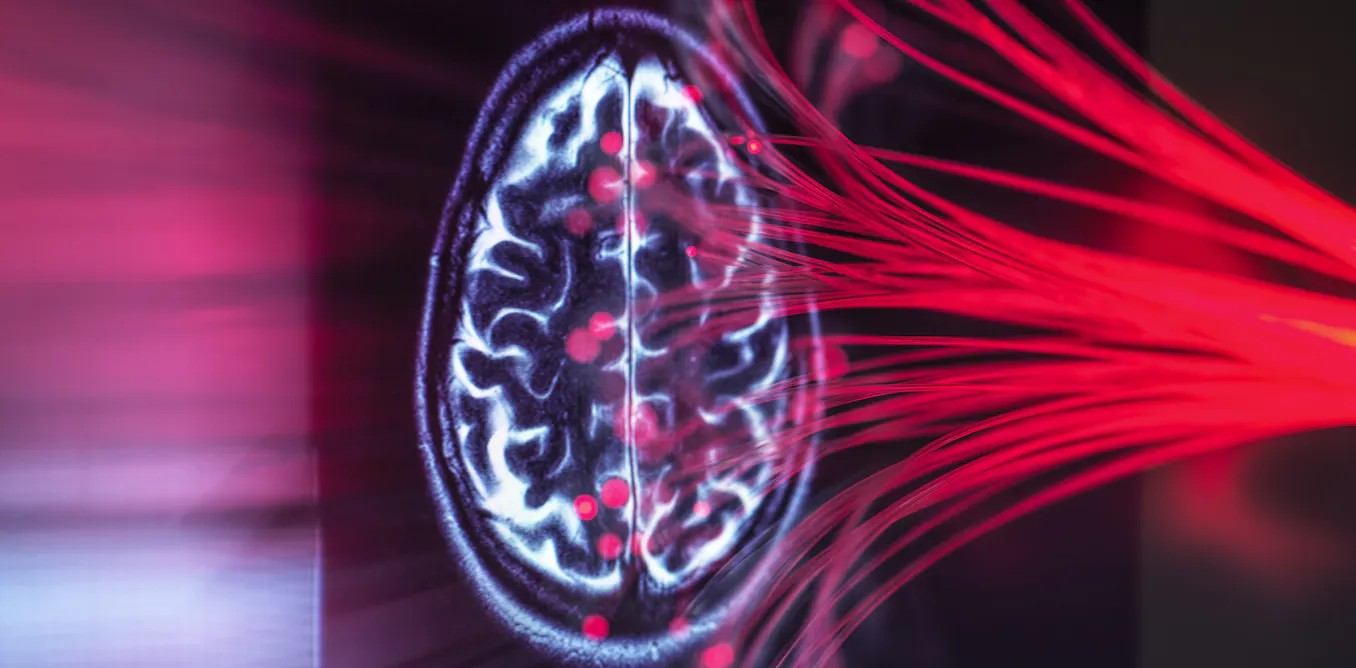
Optogenetics uses light to alter neuron activity, a technique that won the 2026 Nobel Prize in physiology or medicine.
Early Brain Research Challenges
The brain's complexity made it hard to study, with treatments for neuropsychiatric conditions lacking solid cellular understanding.
Genetic Targeting Approach
Deisseroth used genetics to target specific brain cells, like dopamine neurons, by inserting genes into them.
Algae Gene Breakthrough
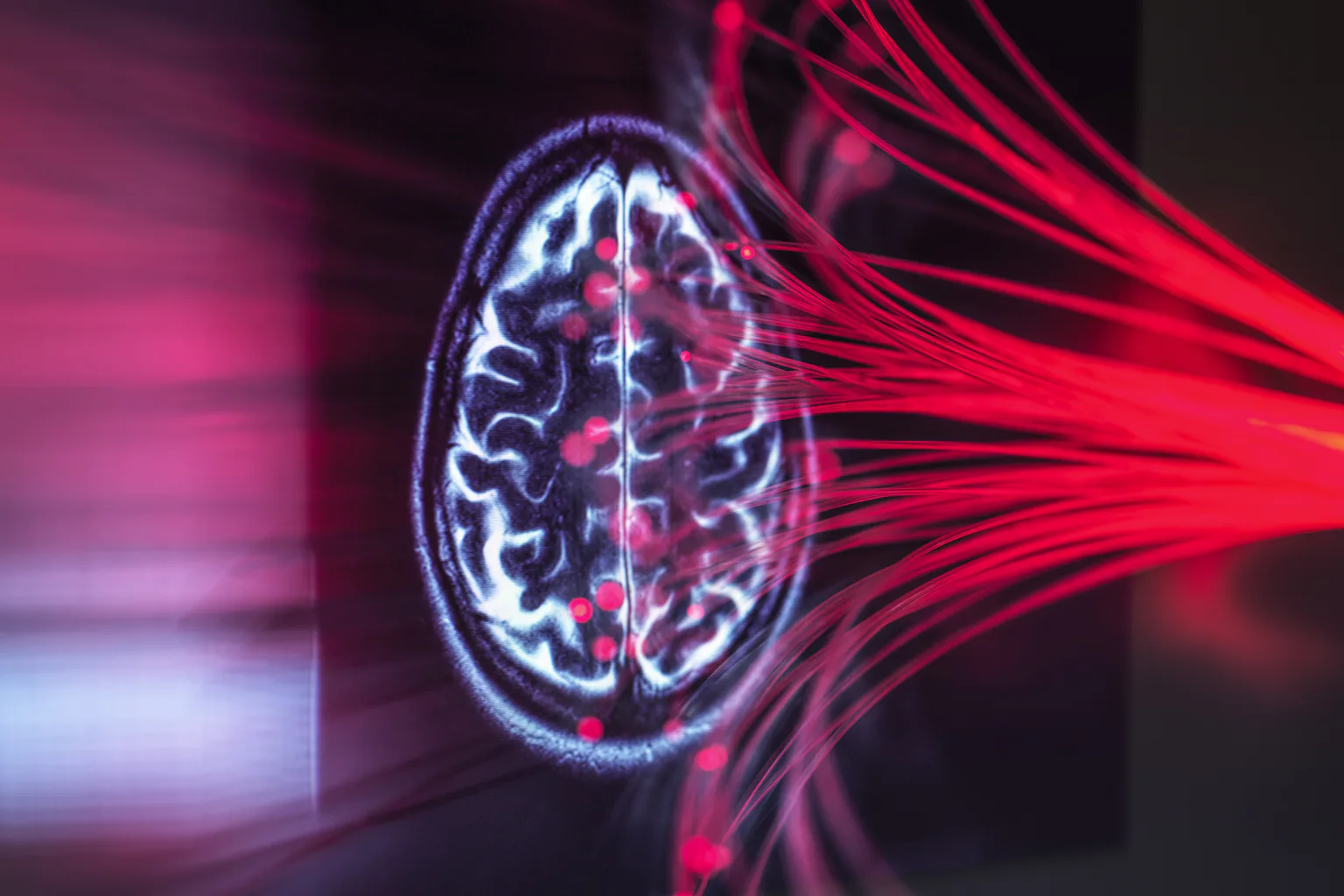
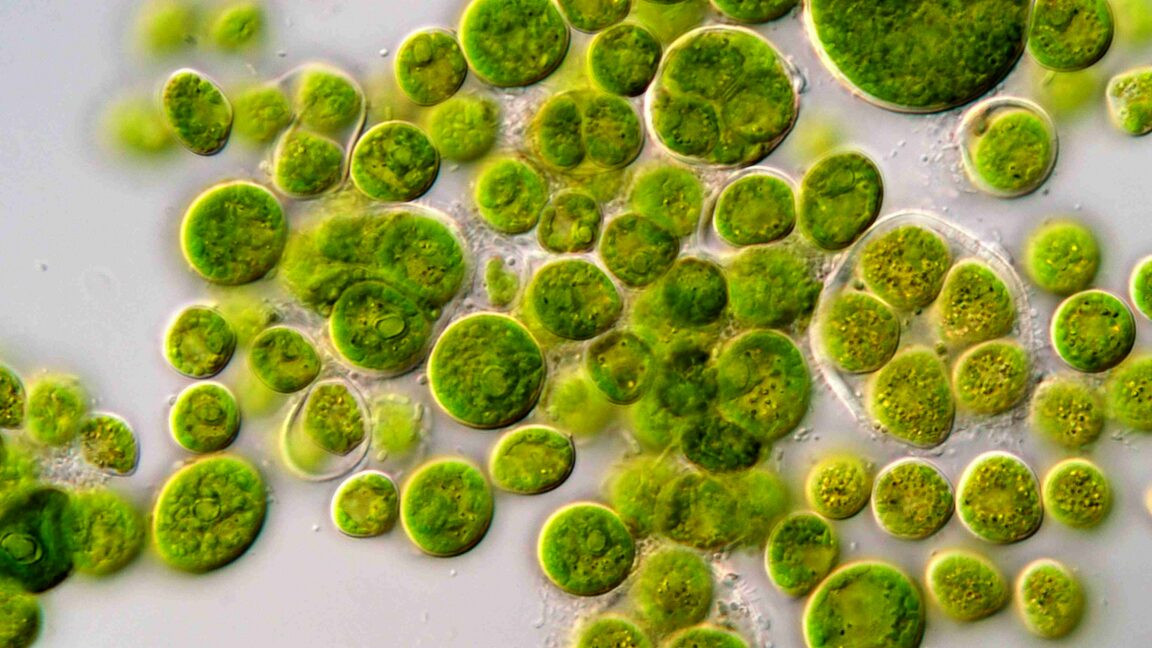
A single-celled algae gene for channelrhodopsin-2 worked when inserted into neurons, unlike mammalian genes.
First Live Animal Test
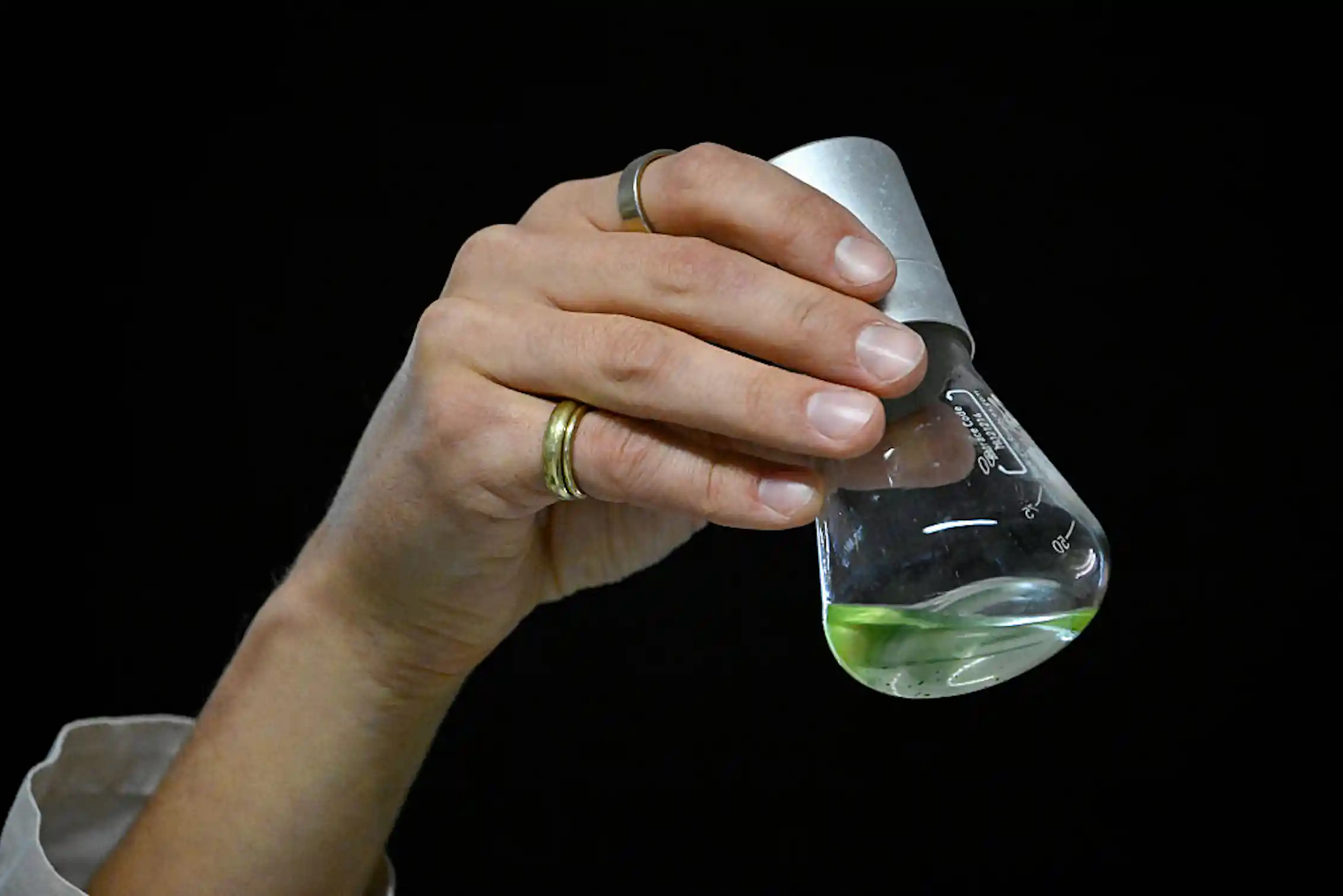
In 2007, Deisseroth controlled mouse movement by activating neurons in the motor cortex with light.
Brain Function Insights
Optogenetics helped identify cells involved in hunger, thirst, aggression, parenting, anxiety, memory, and motivation.
Retinal Restoration Trials
In 2021, researchers restored light sensitivity to retinas in people with retinitis pigmentosa using optogenetics.
Indirect Optogenetics for Treatment
Indirect optogenetics targets specific cells to develop medications for autism and schizophrenia.
Clinical Applications
Deisseroth sees optogenetics helping treat irritability and anxiety in autistic patients through new medications.
Nobel Prize Recognition
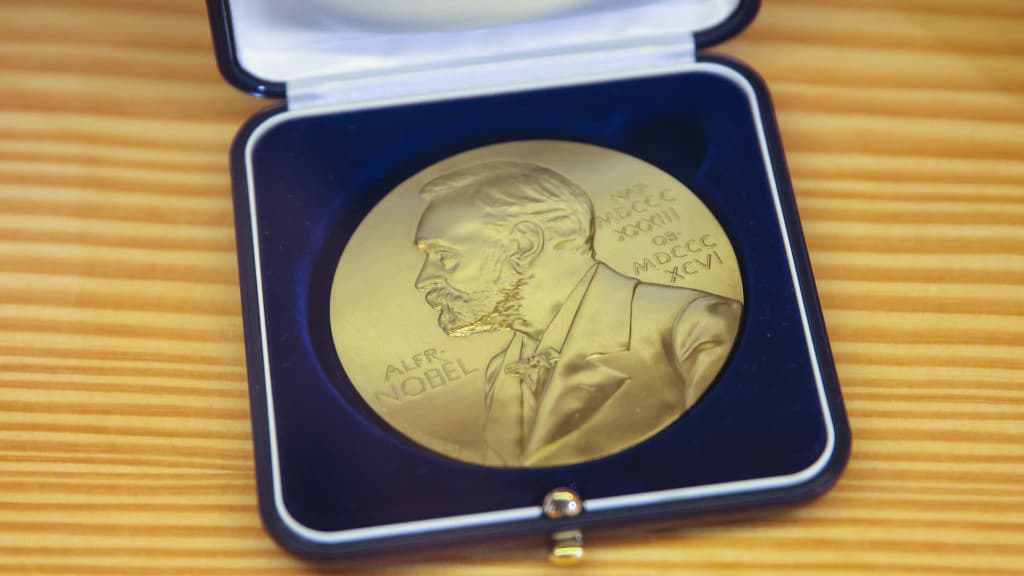
Karl Deisseroth, Peter Hegemann, and Georg Nagel won the 2026 Nobel Prize in physiology or medicine for optogenetics.
The headline
Karl Deisseroth developed optogenetics using light to control neurons, enabling treatments for neuropsychiatric conditions like autism and schizophrenia.