From The Conversation · Nicholas Jacobs · · 1m 40s
Maine Senator Collins' Federal Funds Success
Maine Senator Collins wins federal funds through political influence, showing thin line between favoritism and representation.
In brief
Maine Senator Collins wins federal funds through political influence, showing thin line between favoritism and representation. Maine Senator Collins secured federal funding for projects like Bridgton Hospital through political influence, highlighting the thin line between effective representation and political…
Senator Collins' Federal Funds Success
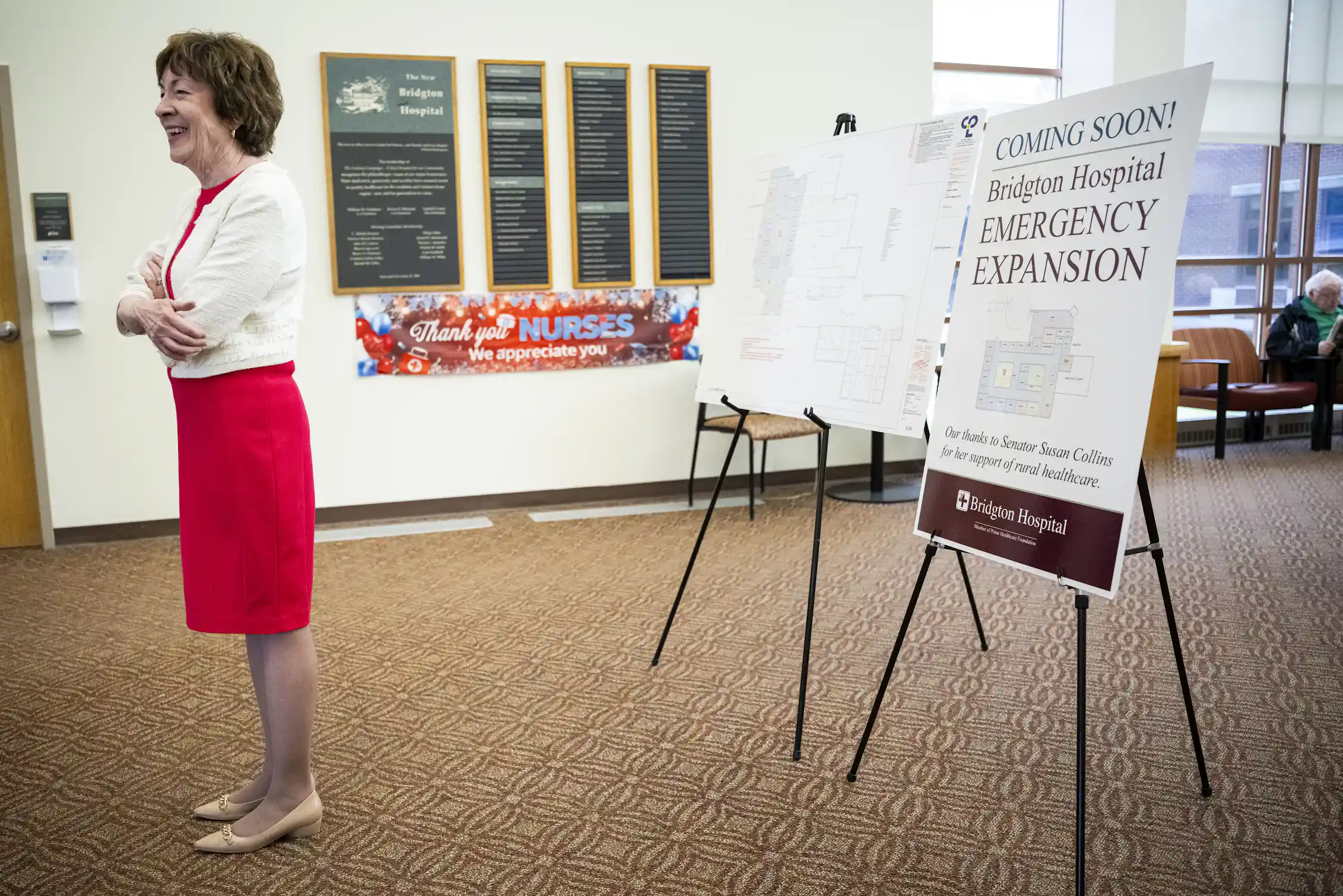
Maine Senator Collins secured federal funding for projects like Bridgton Hospital through political influence.
“On May 5, 2026, Sen. Susan Collins stands in front of posters announcing expansion plans for Bridgton Hospital, for which she helped get federal funding.”
Political Exchange in Action

Businesses and unions support politicians who deliver on promises of federal funding and contracts.
“When access to public resources depends on political influence, those who benefit have reasons to support the politicians most capable of delivering.”
Earmarks and Funding Rates

Senators requested $50.4 billion in 2026, but only 35% of requests were funded compared to Collins' 95% success rate.
“In fiscal year 2026, her first year as chair, Congress funded 95% of her solo requests, while the median senator’s rate fell to 35%.”
Collins' Record of Success
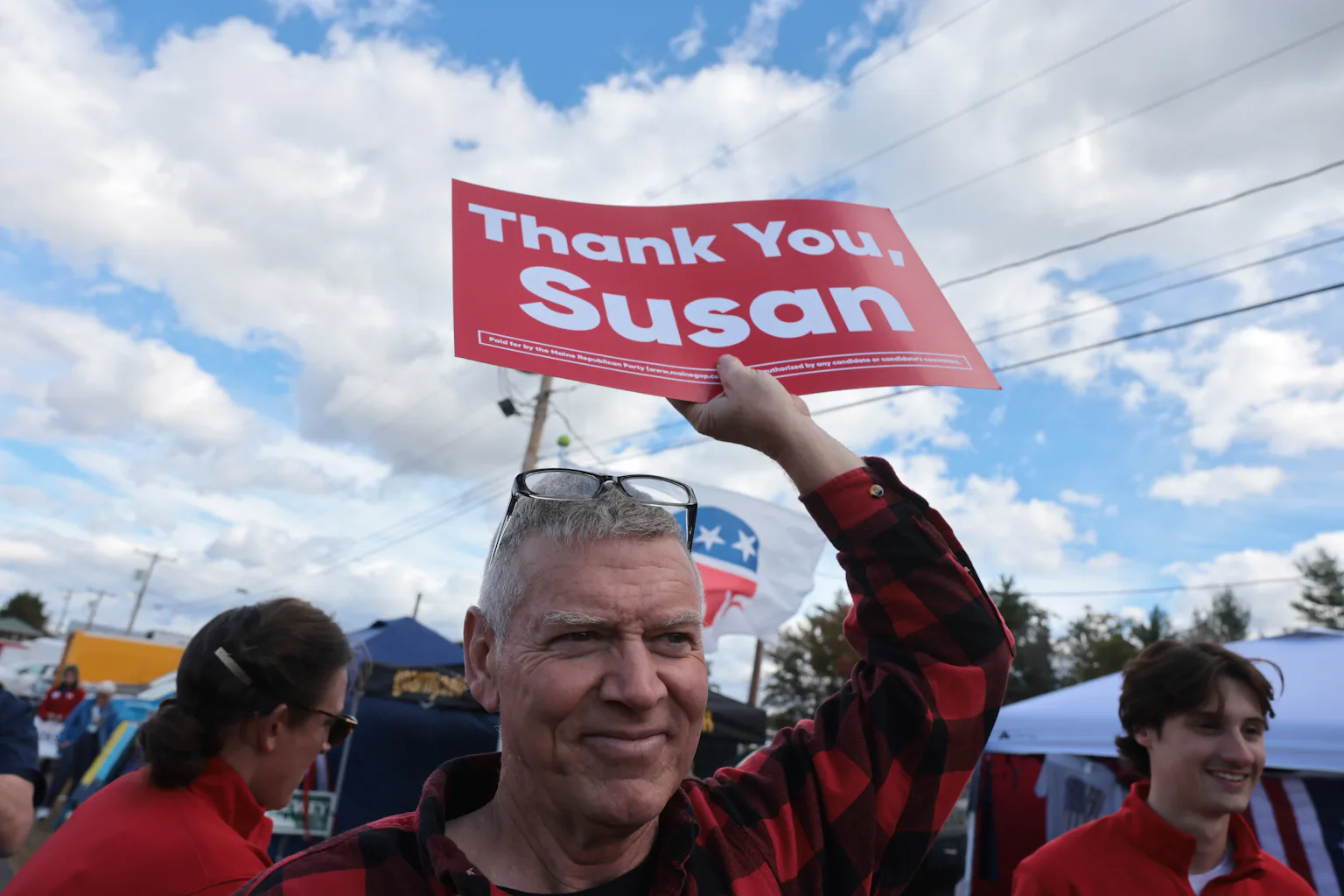
Collins won 92% of 496 projects over five years, the highest sustained rate in the Senate.
“She requested 496 projects on her own over those five years and won 92% of them, the highest sustained rate in the Senate.”
The Thin Line Problem
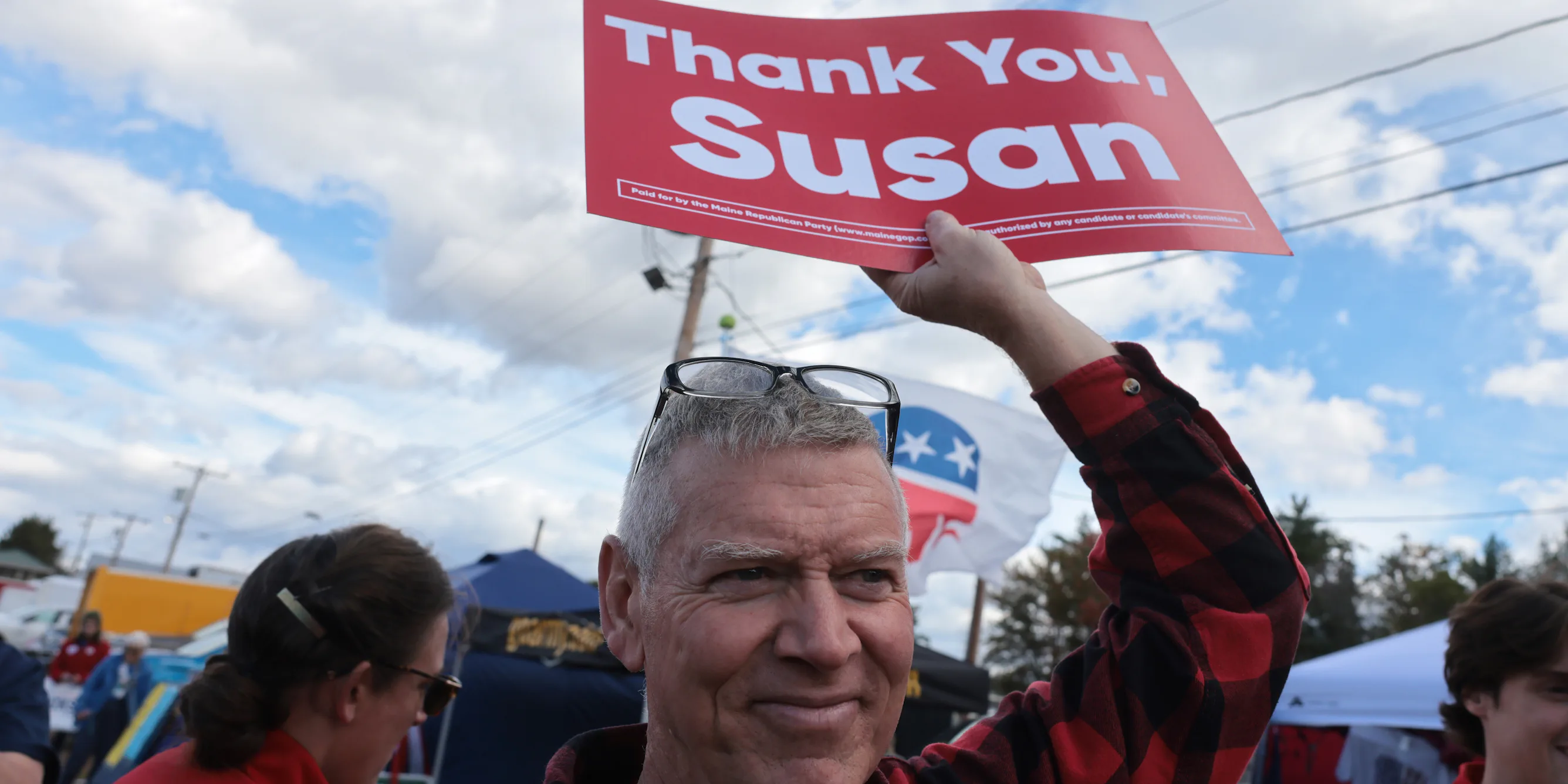
Political favoritism and effective representation are so close that they are hard to distinguish.
“The line between political favoritism and effective representation is remarkably thin.”
Rent-Seeking Dynamics
Businesses and unions support politicians who deliver on promises of federal funding and contracts.
“Political scientists call this 'rent-seeking': getting ahead by winning government favors rather than creating something of value.”
Systemic Challenge
The problem of political favoritism is systemic and requires structural changes to reduce rent-seeking.
“If Americans want less rent-seeking, it requires reducing how much government spending depends on discretionary political decisions.”
Collins' Re-election Strategy

Collins' re-election campaigns focus on delivering federal funds for Maine projects.
“It is why it is a core message of her reelection campaign.”
The Earmarks Problem
Earmarks account for only 1% of discretionary federal spending but show how politicians compete for funding.
“Earmarks, spending directed by a lawmaker to a specific local project, account for only about 1% of discretionary federal spending.”
The Political Exchange
Political exchange involves businesses, unions, and nonprofits supporting politicians who deliver on promises.
“The same kind of political exchange happens when businesses contribute to super PACs supporting politicians who deliver.”
The Systemic Solution
General funding rules could shift the political contest from who gets a favor to the rules under which everyone receives funding.
“General funding rules, established in advance and responsive to differing local needs, offer one alternative.”
What to remember
Maine Senator Collins secured federal funding for projects like Bridgton Hospital through political influence, highlighting the thin line between effective representation and political favoritism.