From The Conversation · Pierce Salguero · · 1m 50s
Meditation can harm you, Buddhist texts have always known
Ancient scriptures reveal that meditation has always carried risks, and offer advice for when practice goes wrong.
In brief
Ancient scriptures reveal that meditation has always carried risks, and offer advice for when practice goes wrong. Meditation isn't risk-free for everyone, but Buddhist traditions have millennia of wisdom on managing its side effects through grounding techniques and other remedies. Originally reported by The…
Scientists find meditation can harm
Between 3% and 65% of practitioners experience adverse effects like fear, anxiety, and paranoia from mindfulness or contemplative practice.
Buddhist texts warned for millennia
Asian Buddhist traditions have discussed meditation dangers for thousands of years, calling them 'meditation sickness' in East Asia or disorders of 'wind.'
Even Buddha had meditation problems
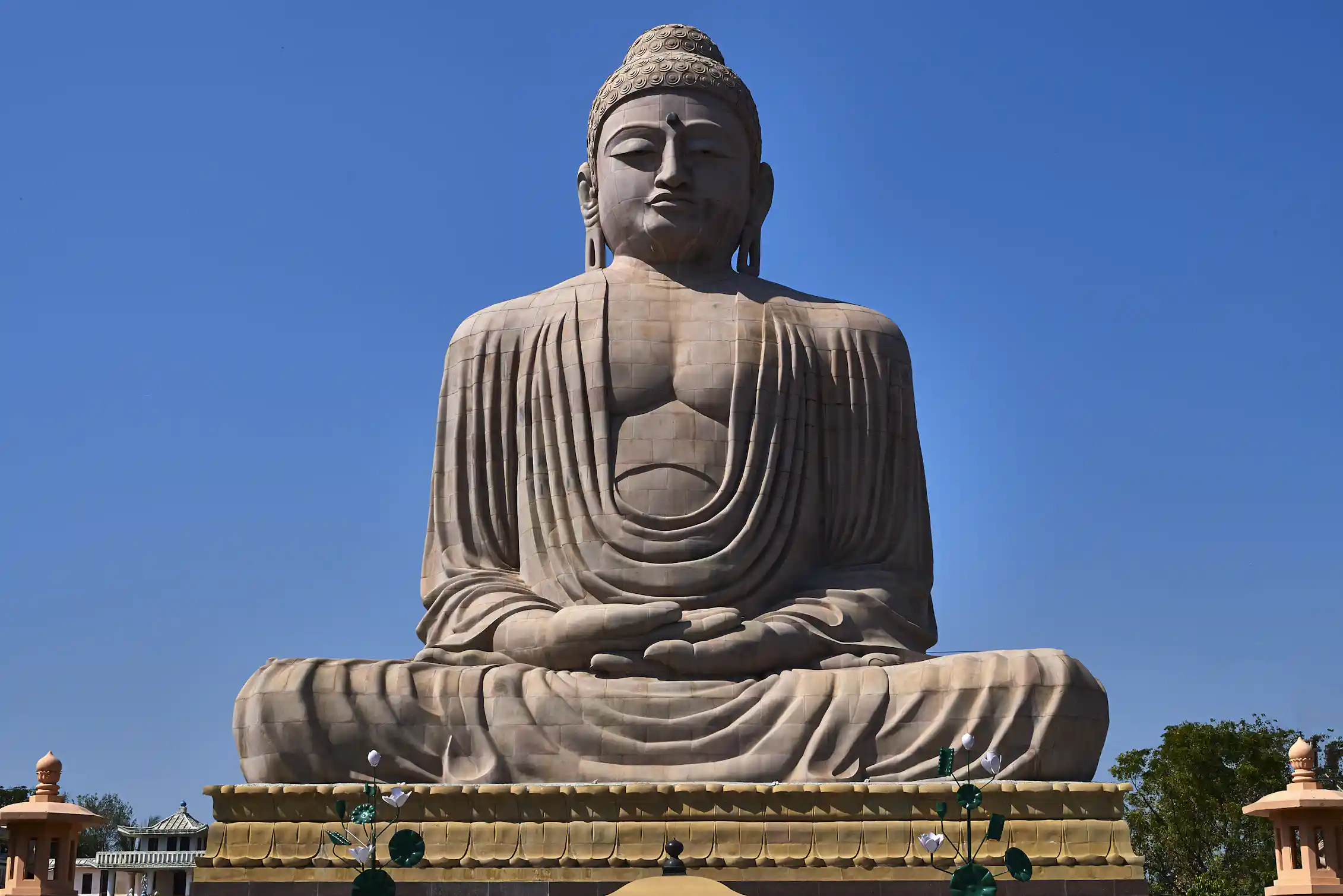
Early texts describe the Buddha experiencing headaches and other symptoms from overconcentration during his own meditation practice.
Meditators went mad from loud sounds
A fifth-century scripture from Khotan describes how adept meditators 'went mad' when startled by noise while deep in meditation.
“went mad”
Monks committed suicide after meditating
One early text tells of monks who killed themselves en masse after practicing a meditation the Buddha taught, forcing him to change his instructions.
Side effects are nobody's fault

Buddhist sources treat meditation risks as acknowledged dangers of powerful transformative practices, not as failures by practitioners.
Grounding techniques can help
Traditional treatments include redirecting attention to the lower abdomen or feet, or visualizing energy descending through the body from head to toe.
Hakuin's butter visualization technique
A 17th-century Japanese monk described visualizing butter melting on the head and slowly oozing downward, relaxing everything until it reaches the ground.
Challenges are part of the process

Buddhist texts say people should expect difficulties as part of spiritual development. The key is distinguishing normal challenges from true medical crises.
Meditation needs informed consent
Experts now call for warning labels, better teacher training, and screening to recognize when meditation becomes dangerous, like any medical intervention.
What to remember
Meditation isn't risk-free for everyone, but Buddhist traditions have millennia of wisdom on managing its side effects through grounding techniques and other remedies.


