From The Conversation · Nikki R Wooten · · 1m 20s
Military kids in US schools face unique challenges
Schools can better support military-connected students through early interventions and tailored support.
In brief
Schools can better support military-connected students through early interventions and tailored support. Schools should implement early check-ins and peer support programs to help military-connected students adjust to new schools. Originally reported by The Conversation.
Military children in US schools
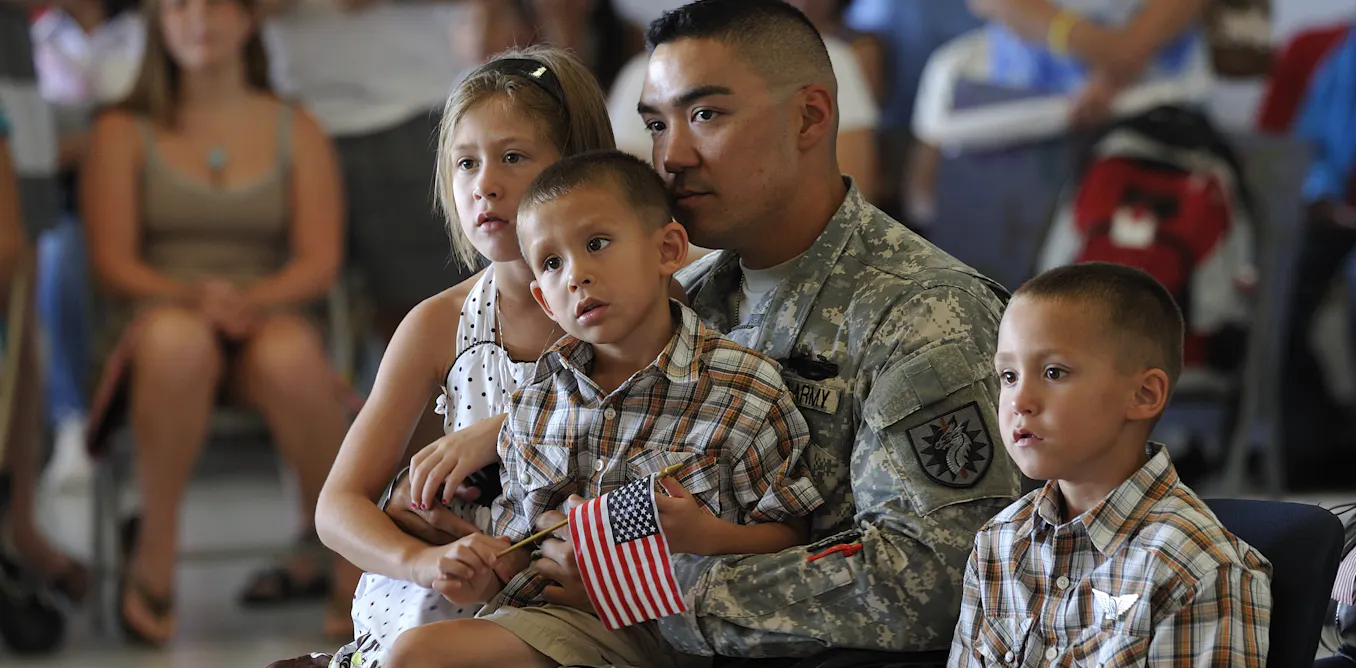
Over 1.4 million children had a parent or caregiver who served in the U.S. armed forces in 2024.
Military family dynamics
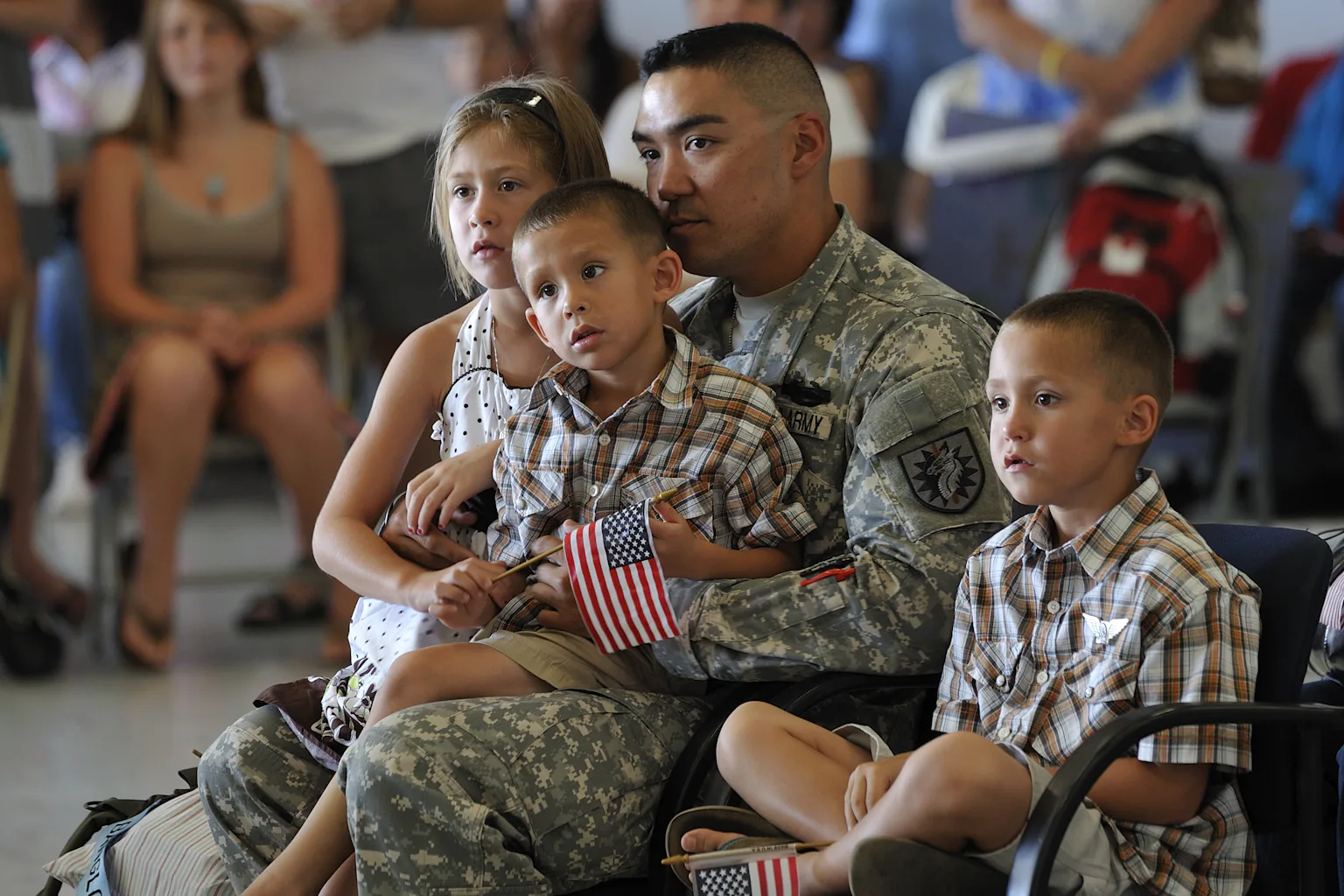
More than 90% attend U.S. public schools with 67,000 in Department of Defense schools.
Military life challenges
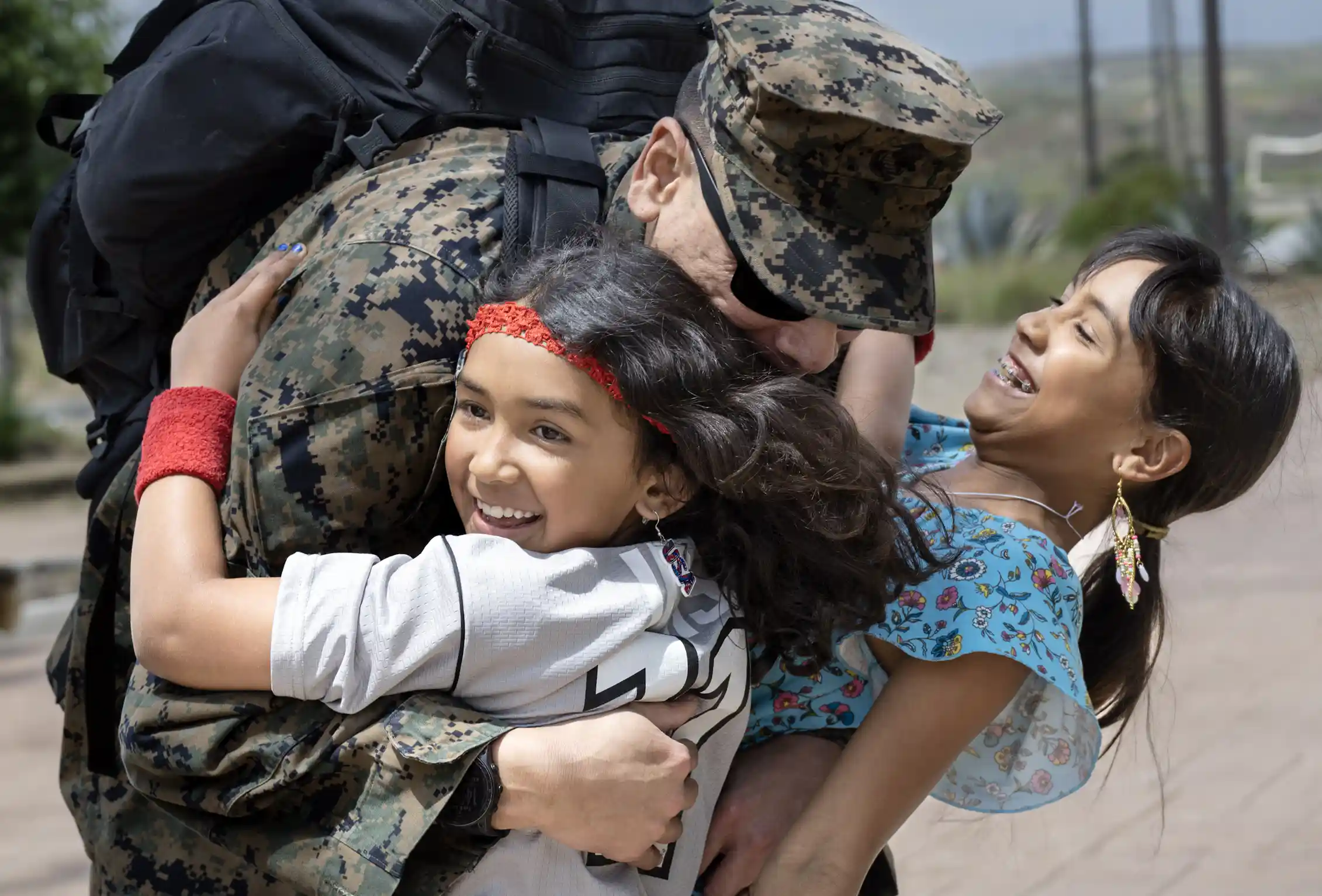
Military children face frequent moves and parental separations causing academic and emotional stress.
School transition needs
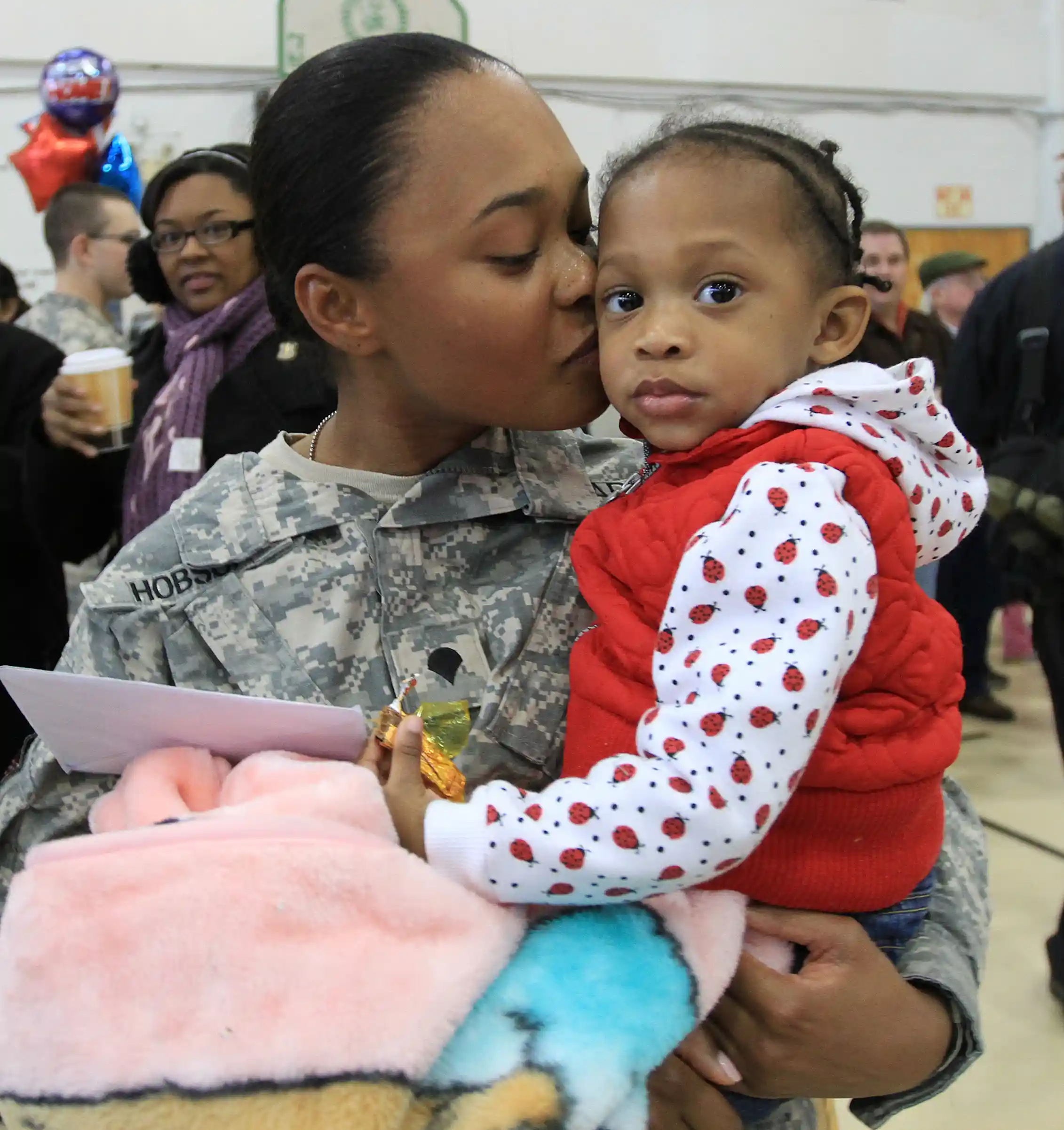
Military-connected students often need early support to adjust to new schools and peers.
Age-specific impacts
Young children show behavioral issues while middle schoolers experience anxiety and social withdrawal.
Mental health risks
Military adolescents face higher risks of depression, anxiety and suicide due to parental deployments.
School support strategies
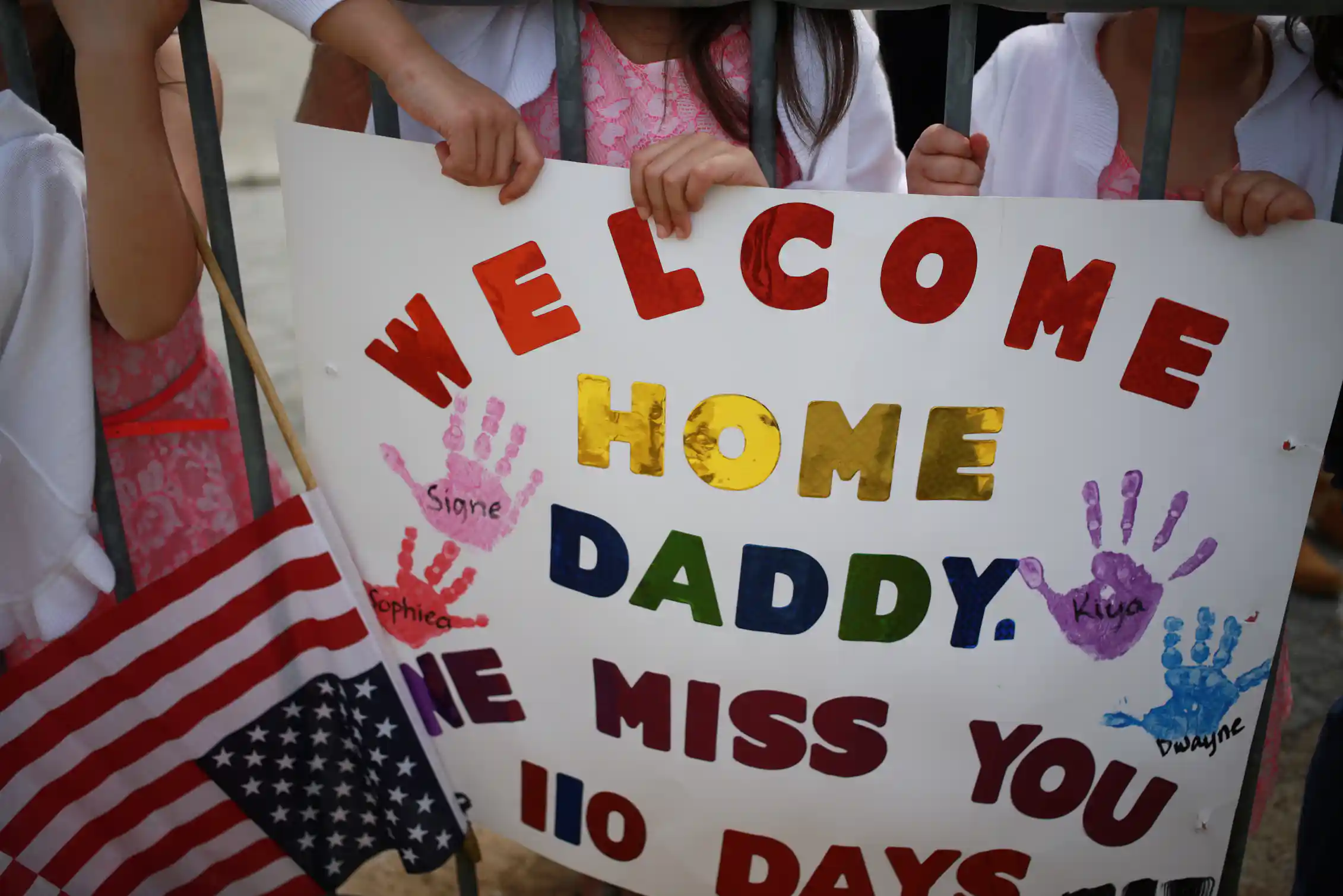
Brief check-ins with counselors help identify concerns early to prevent academic and behavioral issues.
Purple Star Schools
Over 4,100 schools across 44 states offer Purple Star designation for military-connected student support.
State-level variations
Texas, California, Florida, North Carolina, Georgia, South Carolina and Virginia have the most military-connected students.
Long-term support needed
Schools must maintain open communication and peer support programs for military-connected students.
What it means
Schools should implement early check-ins and peer support programs to help military-connected students adjust to new schools.





