From The Conversation · Margaret Landis · · 1m 30s
NASA Mars Orbiters Aging
NASA's Mars orbiter fleet, aging to 25 years, risks communication gaps for future missions.
In brief
NASA's Mars orbiter fleet, aging to 25 years, risks communication gaps for future missions. NASA's Mars orbiters, including 2001 Mars Odyssey, face communication gaps as older satellites lose capability. Originally reported by The Conversation.
Mars Orbiter Fleet Status
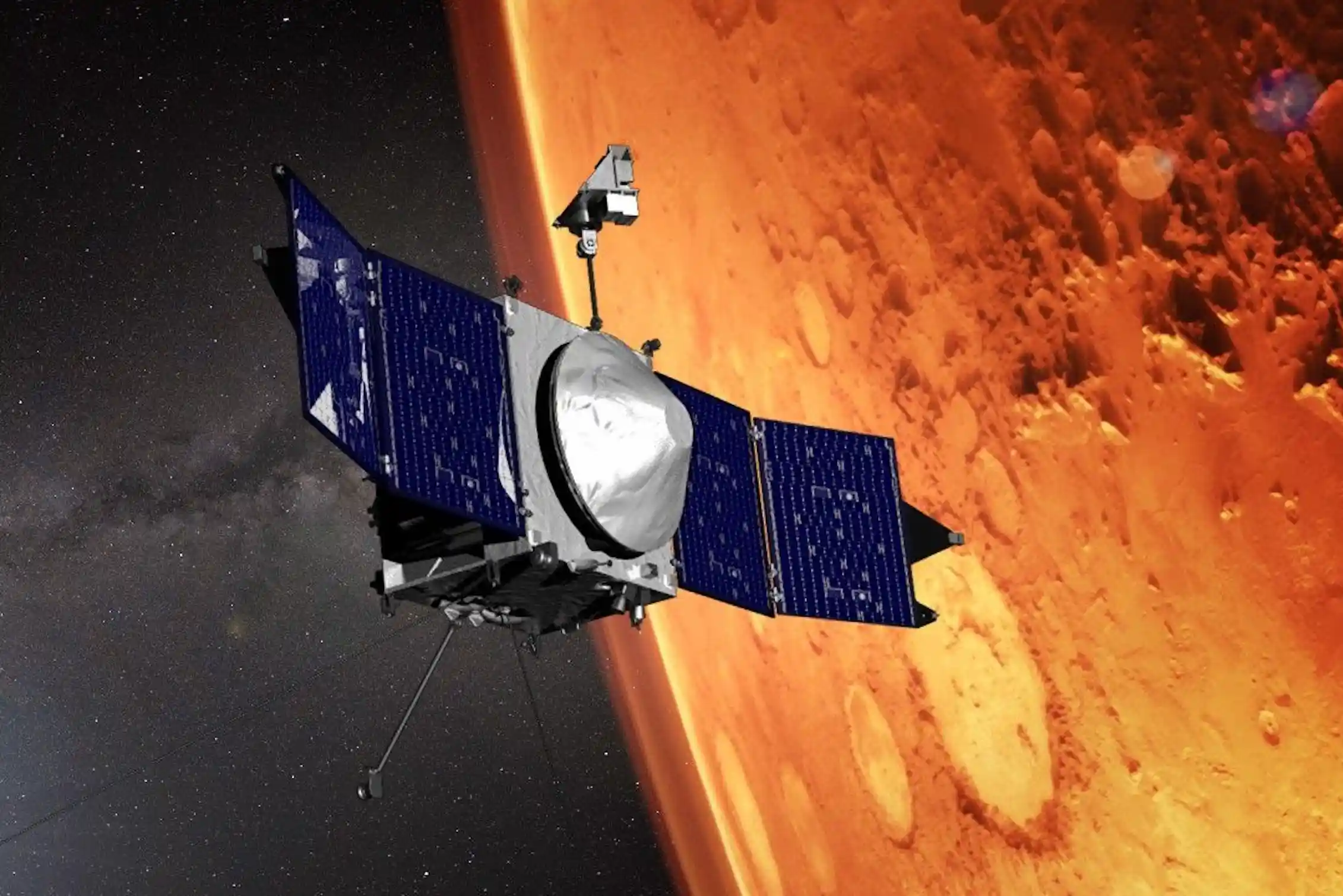
NASA's Mars orbiter fleet includes eight active satellites, with the oldest being 2001 Mars Odyssey at 25 years.
Maven Mission Loss
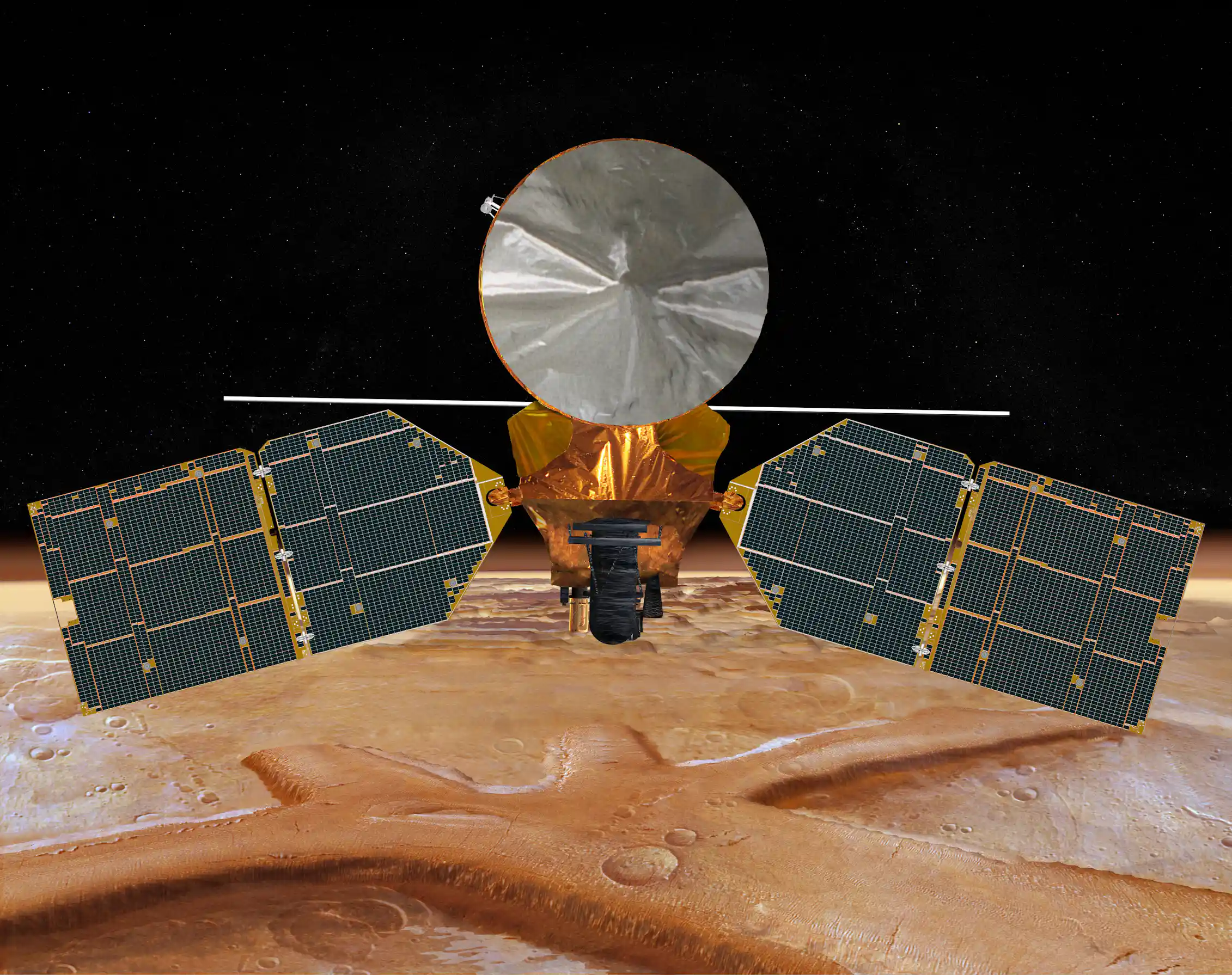
NASA lost contact with Maven in December 2025, ending its mission by June 2026 with no public cause revealed.
Orbiter Age Impact
Maven's loss highlights the risk of aging orbiters, as extreme temperatures and radiation degrade satellite capabilities over time.
Science Data Reliance
Scientists rely on orbiters for continuous data since 2001, enabling seasonal and atmospheric studies of mars.
Maven's Short Service
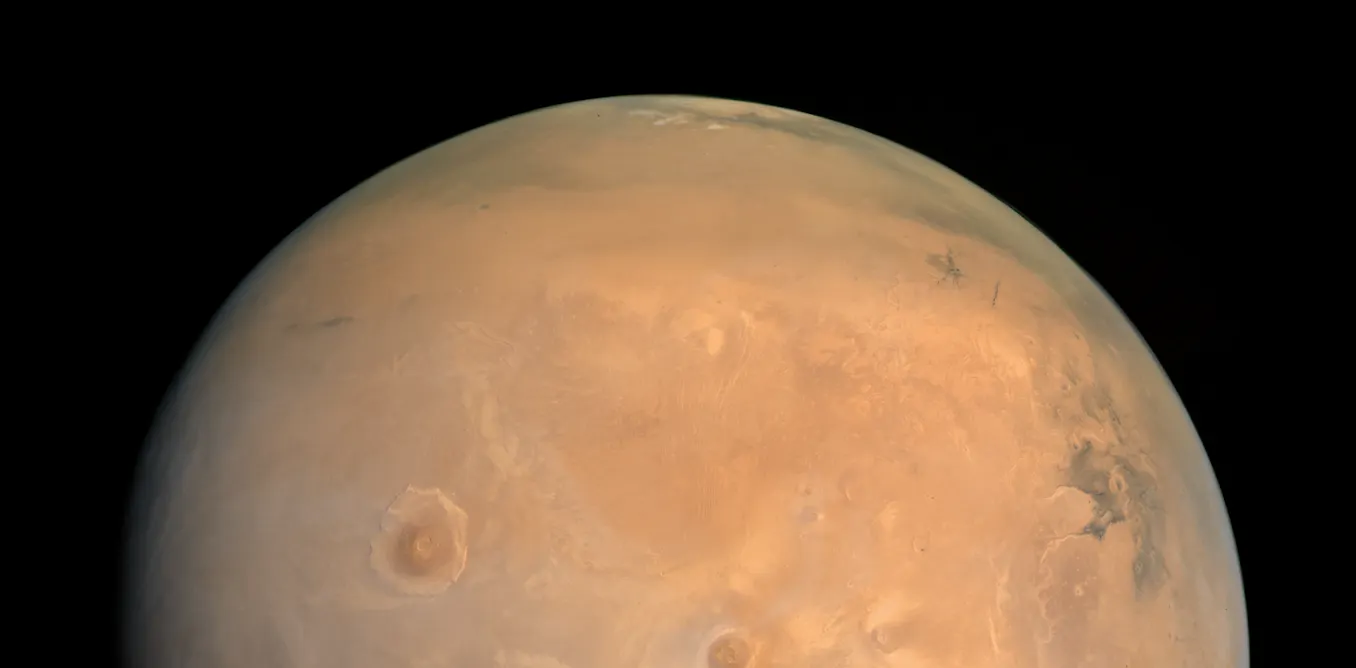
Maven operated for 11 years before losing contact in 2025, observing only one global dust storm in 2018.
Orbiter Communication Role
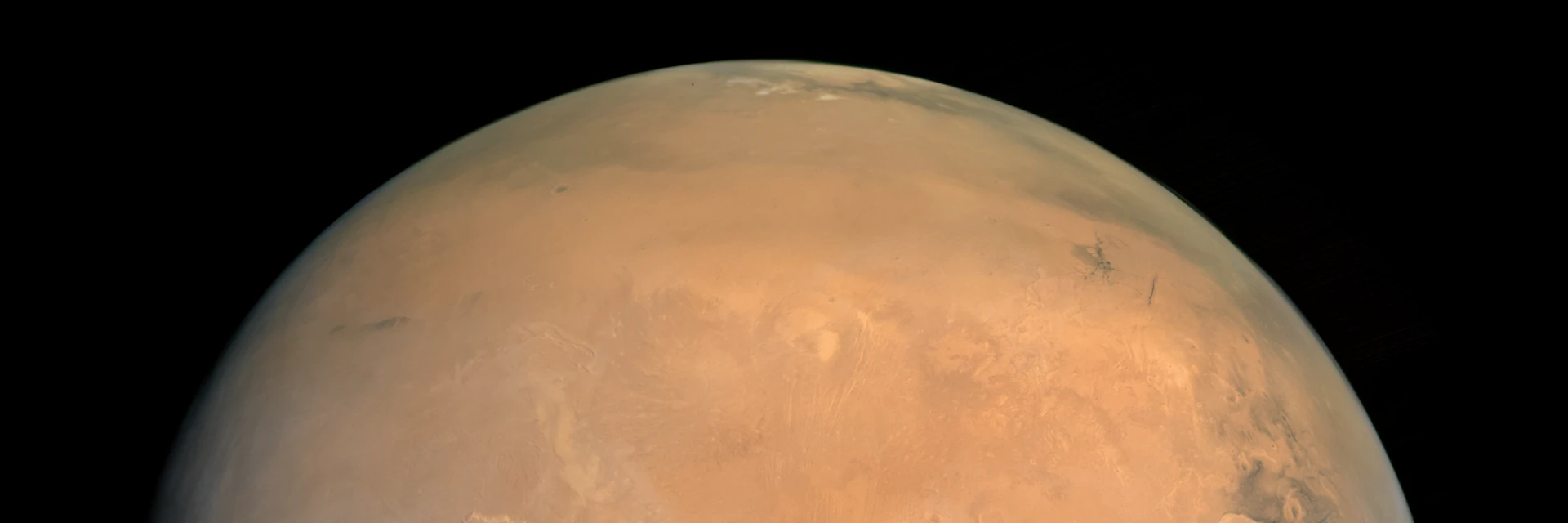
Orbiters like Mars Reconnaissance Orbiter relay data from rovers to earth, critical for landing and mission success.
Future Launch Timeline
Blue Origin's mars telecom satellite is scheduled for delivery by dec 31, 2028, after a 2-year launch window.
Orbiter Longevity Challenge
Mars Odyssey will be 30 years old by 2028, while Mars Reconnaissance Orbiter approaches 25 years of service.
Next Steps for NASA
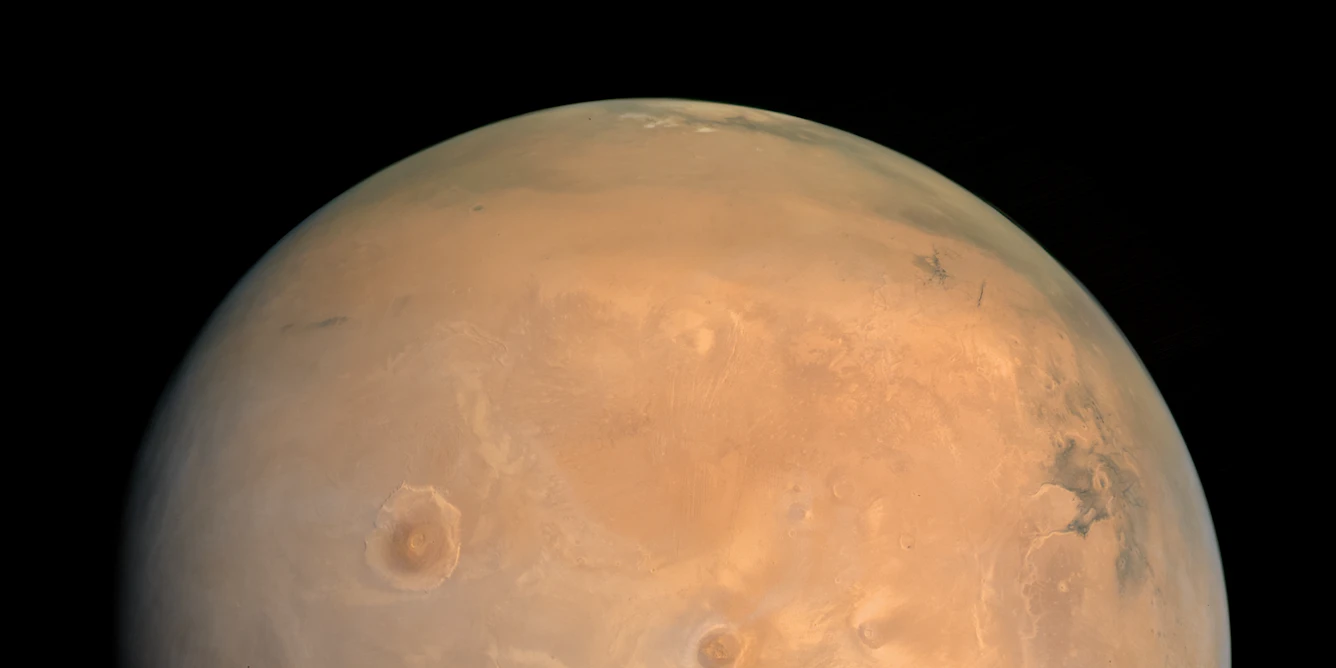
NASA awaits a final report on Maven's loss to ensure fleet continuity before 2028 satellite delivery.
In short
NASA's Mars orbiters, including 2001 Mars Odyssey, face communication gaps as older satellites lose capability.