From The Conversation · Amiran Baduashvili · · 1m 40s
Normal labels hide critical test insights
Doctors misread test results by ignoring nuanced numbers behind 'normal' labels.
In brief
Doctors misread test results by ignoring nuanced numbers behind 'normal' labels. Normal BNP levels can rule out heart failure, but labels hide this critical detail. Originally reported by The Conversation.
Mr. V's symptoms

Mr. V felt chest tightness and shallow breathing, seeking emergency care where a resident found swelling and heart enlargement.
Heart failure diagnosis
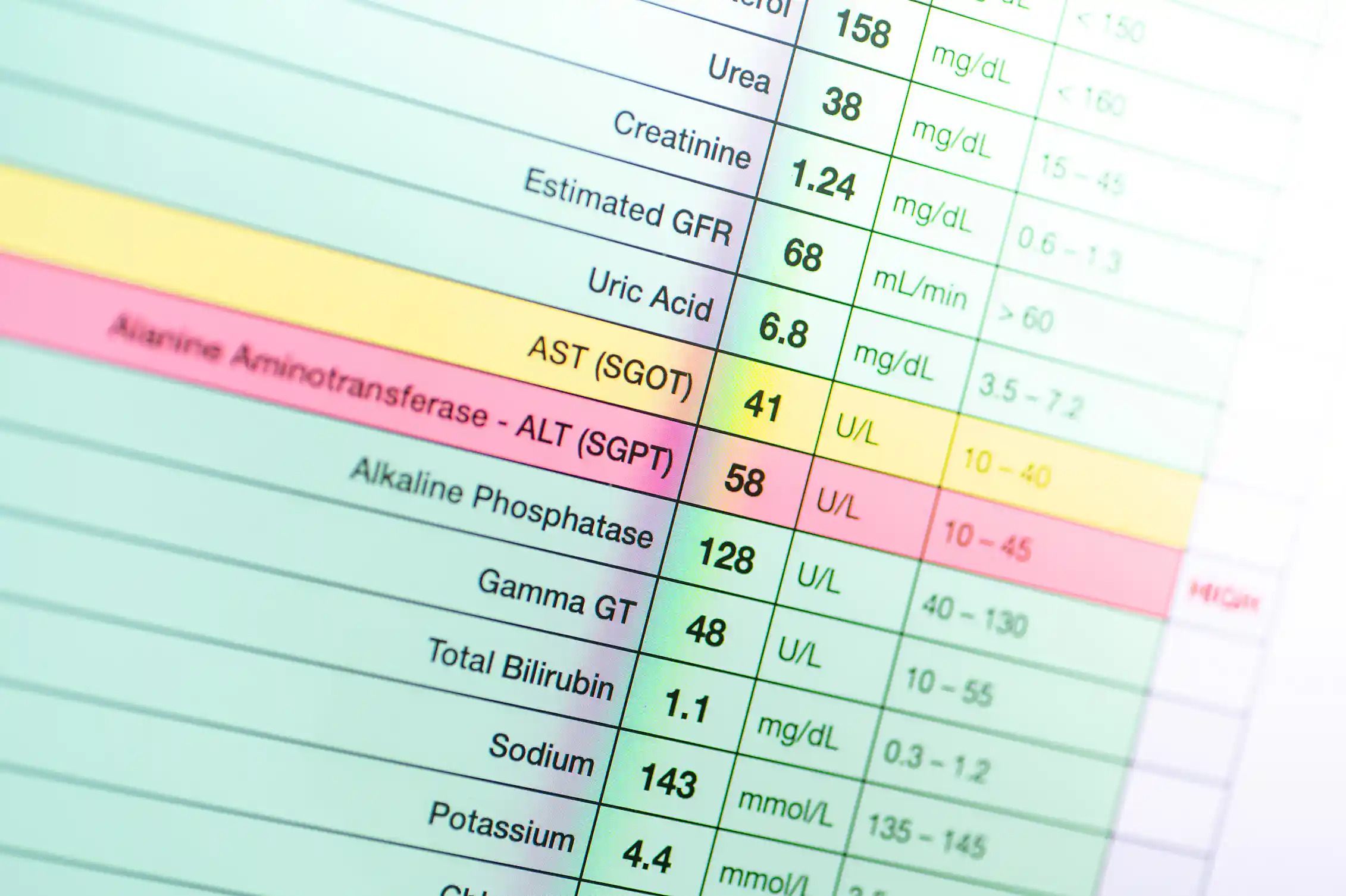
Doctors initially diagnosed heart failure but found Mr. V's BNP levels were normal despite symptoms.
BNP levels explained
BNP under 100 pg/mL is normal, but Mr. V's BNP of 14 was so low it argued against heart failure.
Cardiac tamponade revealed
An ultrasound diagnosed cardiac tamponade, a life-threatening fluid buildup compressing the heart.
Diuretic risk

The diuretic ordered for heart failure could have been fatal due to the compressed heart needing more blood.
Normal label problem
The label 'normal' treats BNP of 14 the same as 95, hiding critical information that could prevent fatal errors.
21st Century Cures Act
The 21st Century Cures Act gave patients access to test results but created false reassurance from 'normal' labels.
D-dimer example

D-dimer above 500 ng/mL is abnormal but values between 500 and 1000 slightly decrease blood clot risk.
Cholesterol example
LDL under 100 mg/dL is normal but above 55 is too high for patients who had heart attacks or strokes.
Interval likelihood ratio
Interval likelihood ratios show how much a test result changes diagnosis odds compared to simple normal labels.
Clinician study results

Clinicians using interval likelihood ratios made 93 correct decisions versus 82 with simple cutoffs.
Real-world impact
Interval likelihood ratios could prevent fatal errors by showing when 'normal' results rule out critical diagnoses.
At a glance
Normal BNP levels can rule out heart failure, but labels hide this critical detail.





