From The Conversation · Kaleigh Yost · · 3m
Pennsylvania's levees are running out of time
180 levees built half a century ago now stand between 158,000 people and rivers that keep rising.
In brief
180 levees built half a century ago now stand between 158,000 people and rivers that keep rising. A levee is not a one-time build. It is a permanent maintenance bill, and most Pennsylvania towns have no steady way to pay it. Originally reported by The Conversation.
What the walls hold back

Pennsylvania has over 180 levees running about 155 miles. They shield roughly 158,000 people and $26.2 billion in property from its rivers.
Old walls, thin budgets
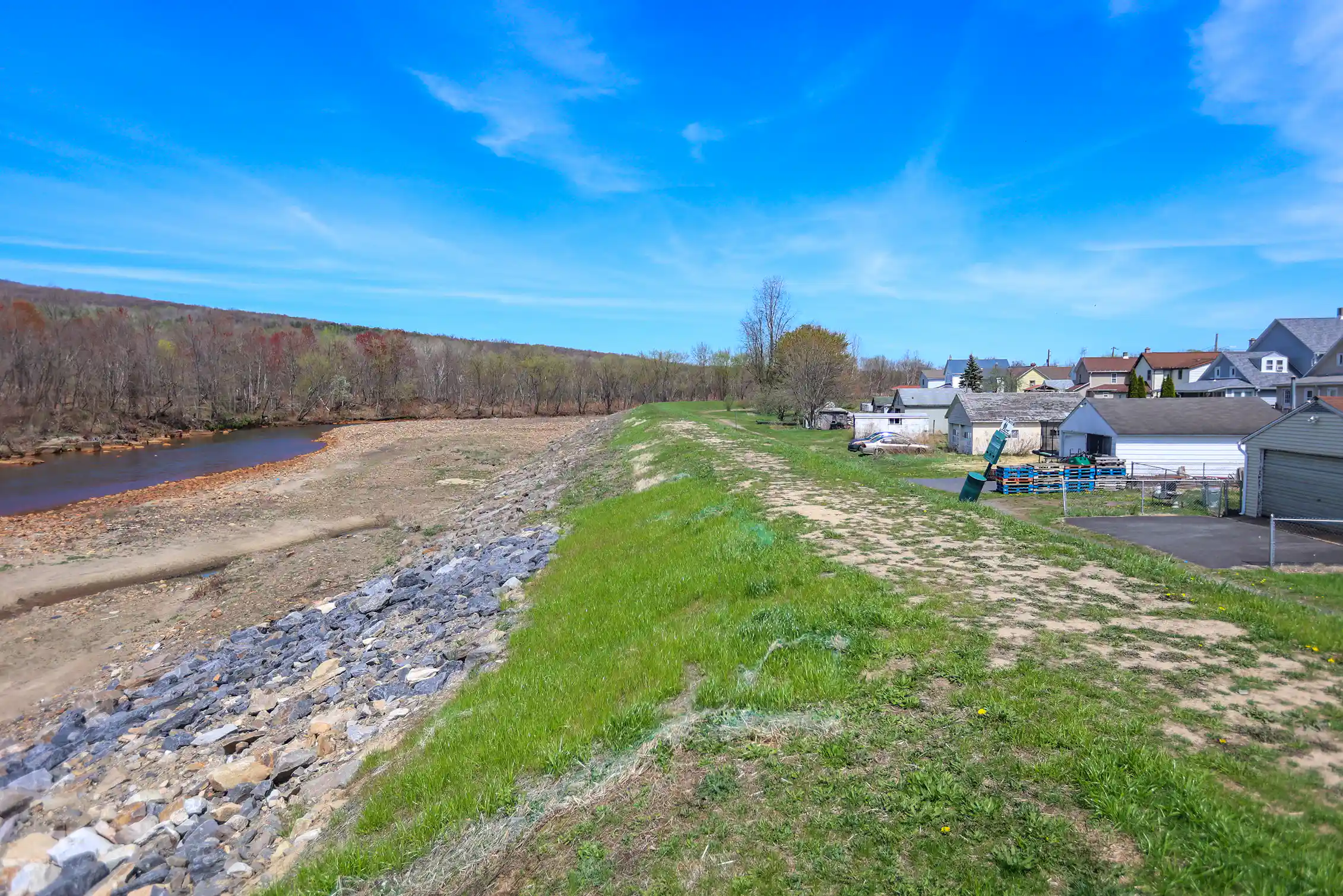
Those earthen banks are aging and the money to maintain them keeps shrinking, right as storms get more frequent and more severe.
How a levee actually works
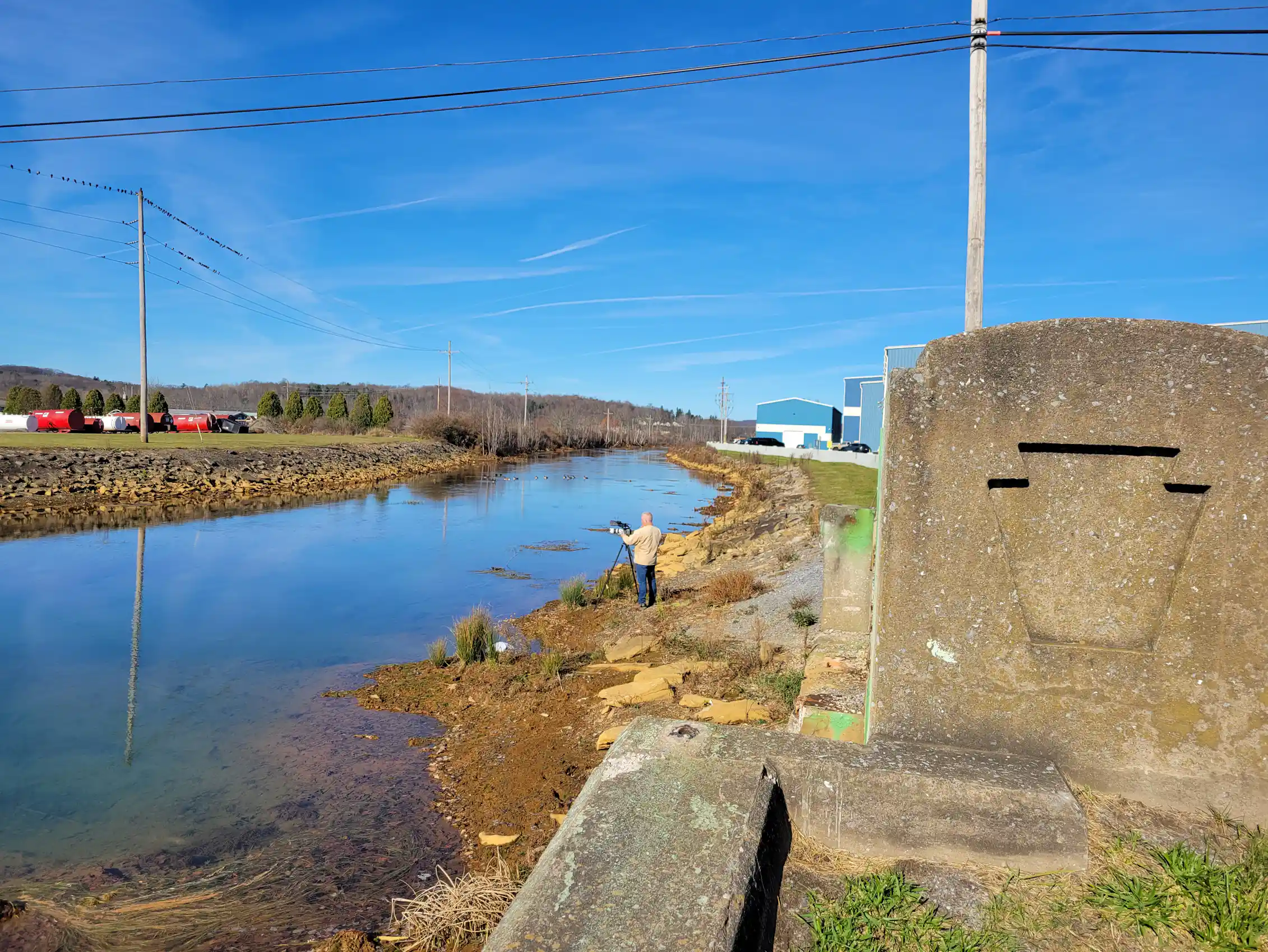
It is an earthen embankment running alongside a river, raising the bank height so the water cannot spill over when the river swells.
Built for a 1% flood
Most levees are sized for a flood with a 1% chance of happening in any given year. Anything bigger was never part of the design.
Four ways they fail
Water tops the crest. Or erosion eats it, or seepage runs through and under it, or the embankment partly collapses before the flood even reaches the top.
A very wet state

Pennsylvania has 86,000 miles of rivers and streams, with Philadelphia and Pittsburgh both flanked by water. Hurricane remnants reach it too.
“although Pennsylvania is not thought of as a coastal state, it can be significantly impacted by remnants of hurricanes”
Five thousand floods
The state logged almost 5,000 flood events since 1996. Federal flood insurance has paid out over $1 billion in Pennsylvania claims over the same stretch.
A New Deal inheritance
The 1936 Flood Control Act, prompted partly by that year's Pennsylvania floods, paid for most of these levees. They went up between 1950 and 1970.
Past their design life
These embankments were engineered to standards six to eight decades old, and they have outlived the 50-year design life they were built for.
Handed to small towns

Washington built them, then handed upkeep to local sponsors. Over 90% are locally run, often by rural towns with shrinking tax bases and no spare labor.
“construction of a levee is not a one-time investment. It is an ongoing commitment”
Only 15% are accredited
If FEMA remapping finds a levee below standard, the land behind it counts as unprotected. Premiums jump and development stalls. Just 15% of the state's levees pass.
Funding stitched from scraps
There is no single funding stream. Towns piece together state capital money, $500,000 grants with a 15% match, and local fees. Luzerne County's levee fee is a rare exception.
The BRIC whiplash
FEMA killed the BRIC program in April 2025, canceling $182.5 million promised to Pennsylvania, including the Duryea levee fix. A court reinstated it in March 2026, but the money has not moved.
The headline
A levee is not a one-time build. It is a permanent maintenance bill, and most Pennsylvania towns have no steady way to pay it.