From The Conversation · Sophya Garashchuk · · 1m 20s
Schrödinger's Equation 100 Years Later
Quantum physics breakthrough still shapes modern chemistry.
In brief
Quantum physics breakthrough still shapes modern chemistry. Schrödinger's equation helps scientists predict chemical reactions by calculating particle probabilities. Originally reported by The Conversation.
Quantum particles act like waves

At the quantum level, particles behave like waves rather than discrete points, making their position uncertain.
Schrödinger developed wave equation
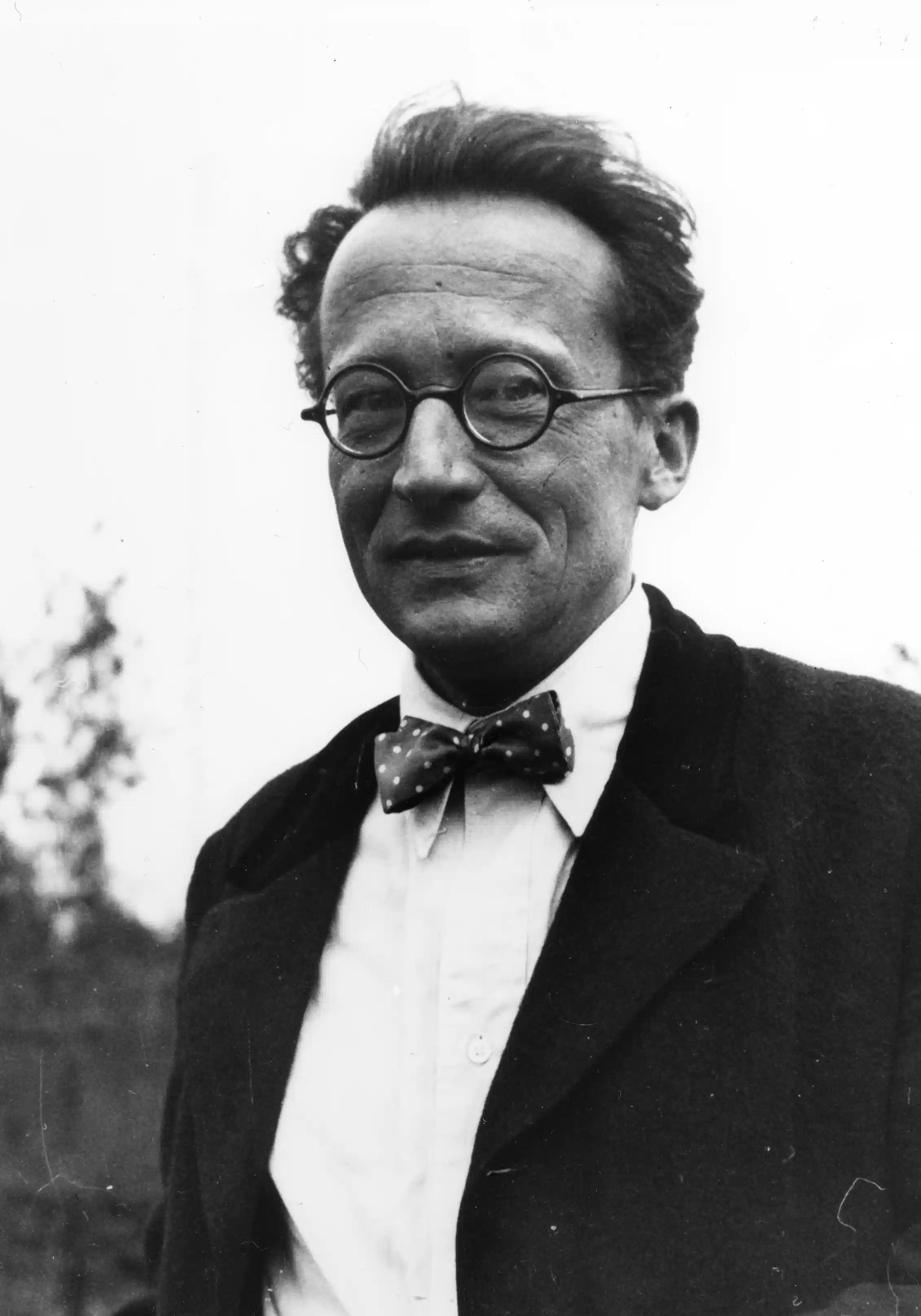
Austrian physicist Erwin Schrödinger created equations to calculate particle probabilities using wave functions in 1926.
Quantum effects influence daily life
Quantum behavior affects plant color, computer technology, and material properties in everyday life.
Schrödinger's equation for chemistry
Theoretical chemists use Schrödinger's equation to track atom rearrangements during chemical reactions.
Wave functions are hard to compute
Schrödinger's equation can't be solved exactly for molecules larger than five or six atoms due to exponential complexity.
Quantum tunneling changes reactions
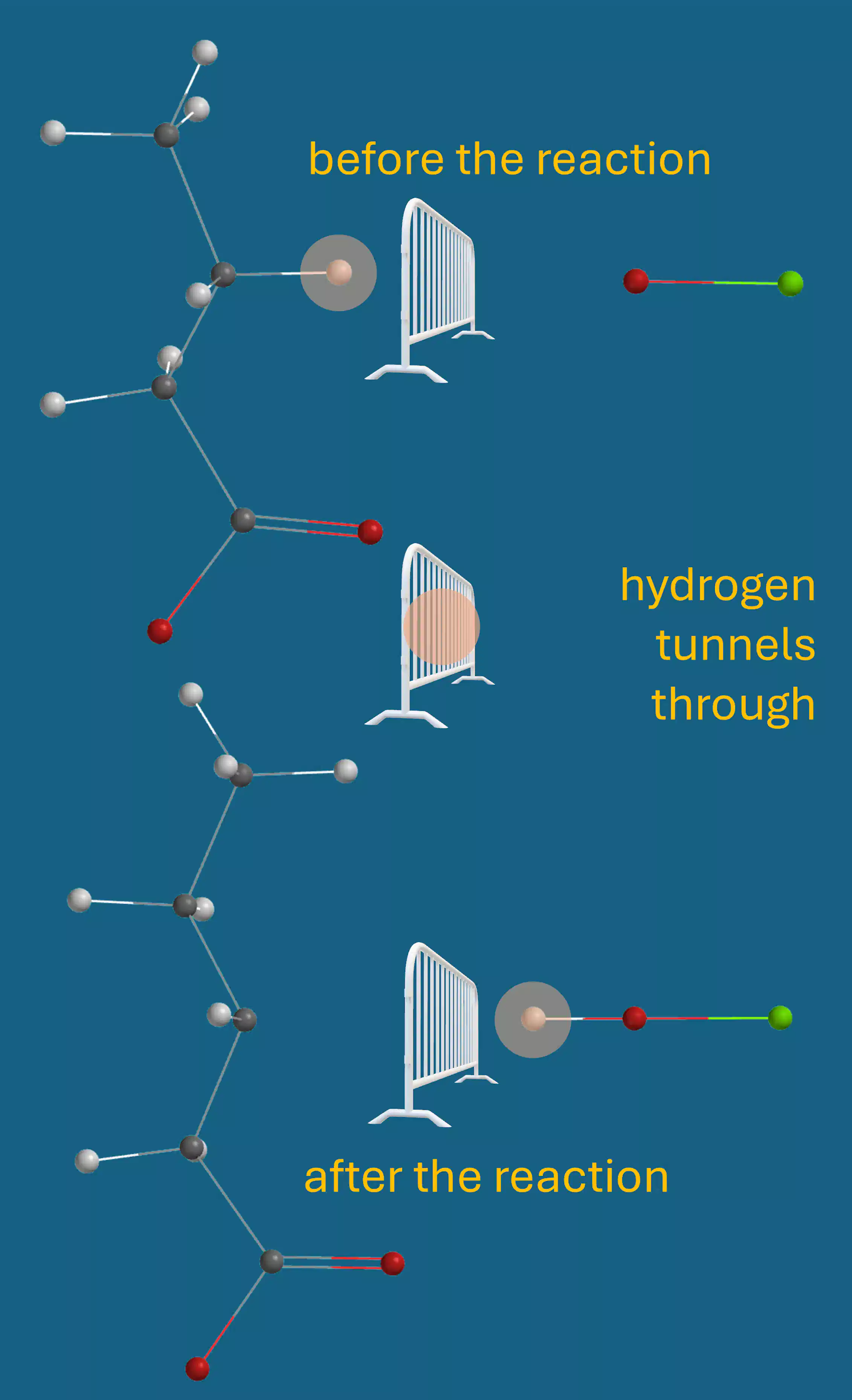
Hydrogen atoms can tunnel through energy barriers, enabling reactions at low temperatures without sufficient energy.
Deuterium stops quantum tunneling
Replacing hydrogen with deuterium increases energy barriers and prevents tunneling in reactions.
2022 study shows tunneling efficiency
In 2022, researchers found hydrogen tunneling increased reaction efficiency for converting biomass to liquid fuel.
Quantum effects at absolute zero

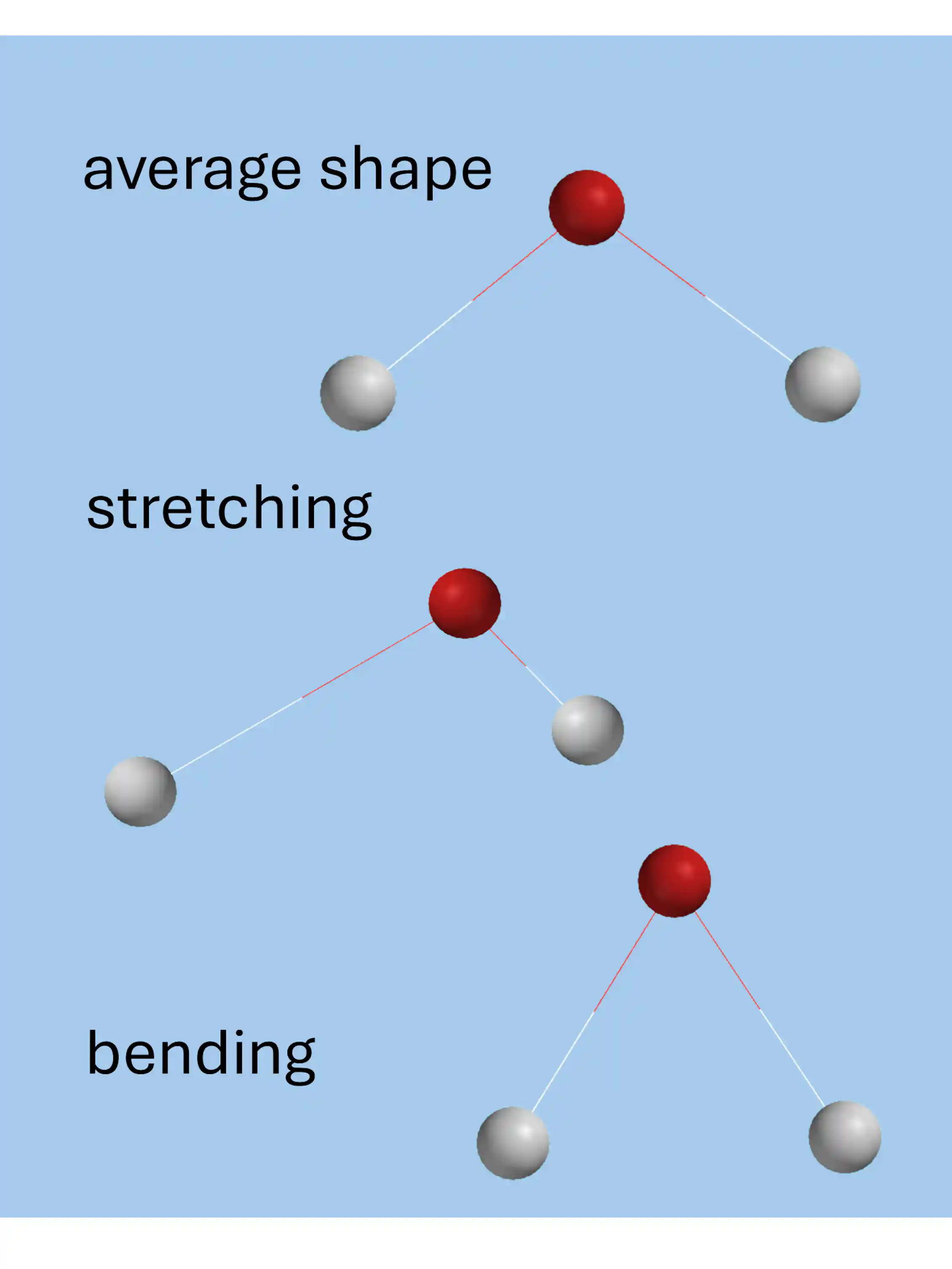
Molecules can stretch and bend at absolute zero due to quantum behavior of their nuclei.
The takeaway
Schrödinger's equation helps scientists predict chemical reactions by calculating particle probabilities.





