From The Conversation · John J. Martin · · 2m
The Supreme Court just saved mail voting for 2026
A 7-2 ruling leaves the Postal Service's mail ballot rules frozen with the midterms less than two months away.
In brief
A 7-2 ruling leaves the Postal Service's mail ballot rules frozen with the midterms less than two months away. The Constitution hands the states and Congress the power to set how federal elections run, and a mail carrier is not an election regulator. Originally reported by The Conversation.
Mail voting stays put
The Supreme Court blocked the Trump administration's plan to restrict voting by mail, so the 2026 midterms will run the way voters already expect.
It started with an order
In March 2026, Trump signed an executive order on "integrity in federal elections" that told the Postal Service to set uniform ballot and envelope rules for every federal race.
“integrity in federal elections”
Undeliverable means uncounted
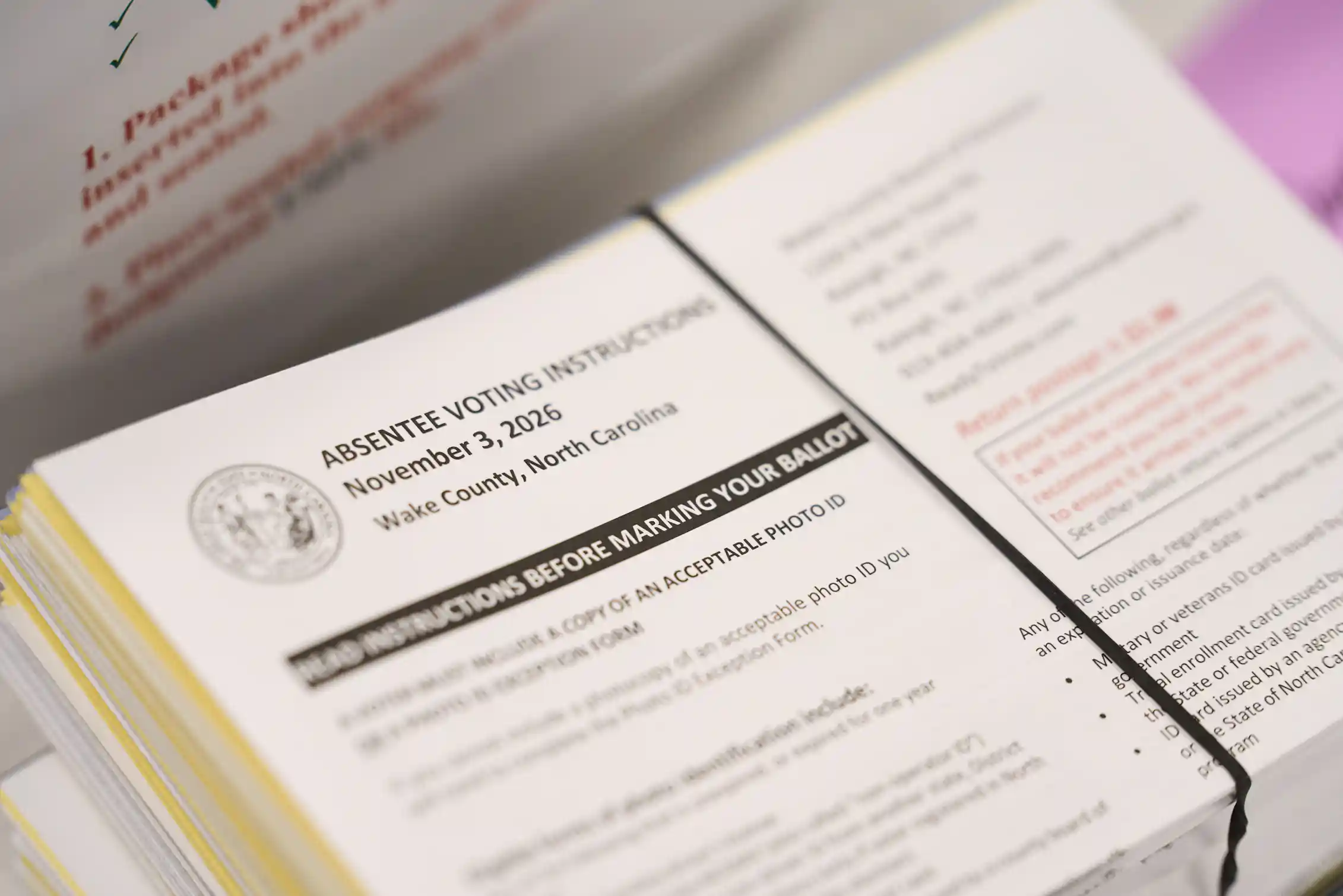
The order also told USPS to refuse ballots that broke its format rules or came from voters missing off a state-supplied list. A refused ballot is a canceled vote.
The clause that decides it
Two lawsuits made the same argument: the Elections Clause gives the states, and Congress if it acts, control over the time, place and manner of federal elections. Not the president.
“time, place, and manner”
A first loss on a technicality
On Aug. 24 the court sided 6-3 with the administration, but only on standing. USPS had not acted yet, so the states could not show injury. The constitutional question went untouched.
Then USPS wrote the rules
Two days later the district judge dissolved the remaining injunction, and USPS published its rules that same day: approved envelope designs, a voter portal, and rejection for anything off-list.
“will not be accepted”
The 30-day math breaks
The portal deadline sat 30 days before Election Day, but every state lets people register inside that window, and many far later. No deadline was set for envelope approval either.
Officials scrambled
North Carolina had already mailed ballots to voters. Utah weighed building its own distribution centers to route around the Postal Service entirely.
Republicans filed against it
The government's stay petition drew 20 amicus briefs, most opposing the rules. One came from seven Republican chief election officials calling the rules unworkable.
“impose reasonable preparation requirements for certain election-related mail”
One paragraph, two dissents
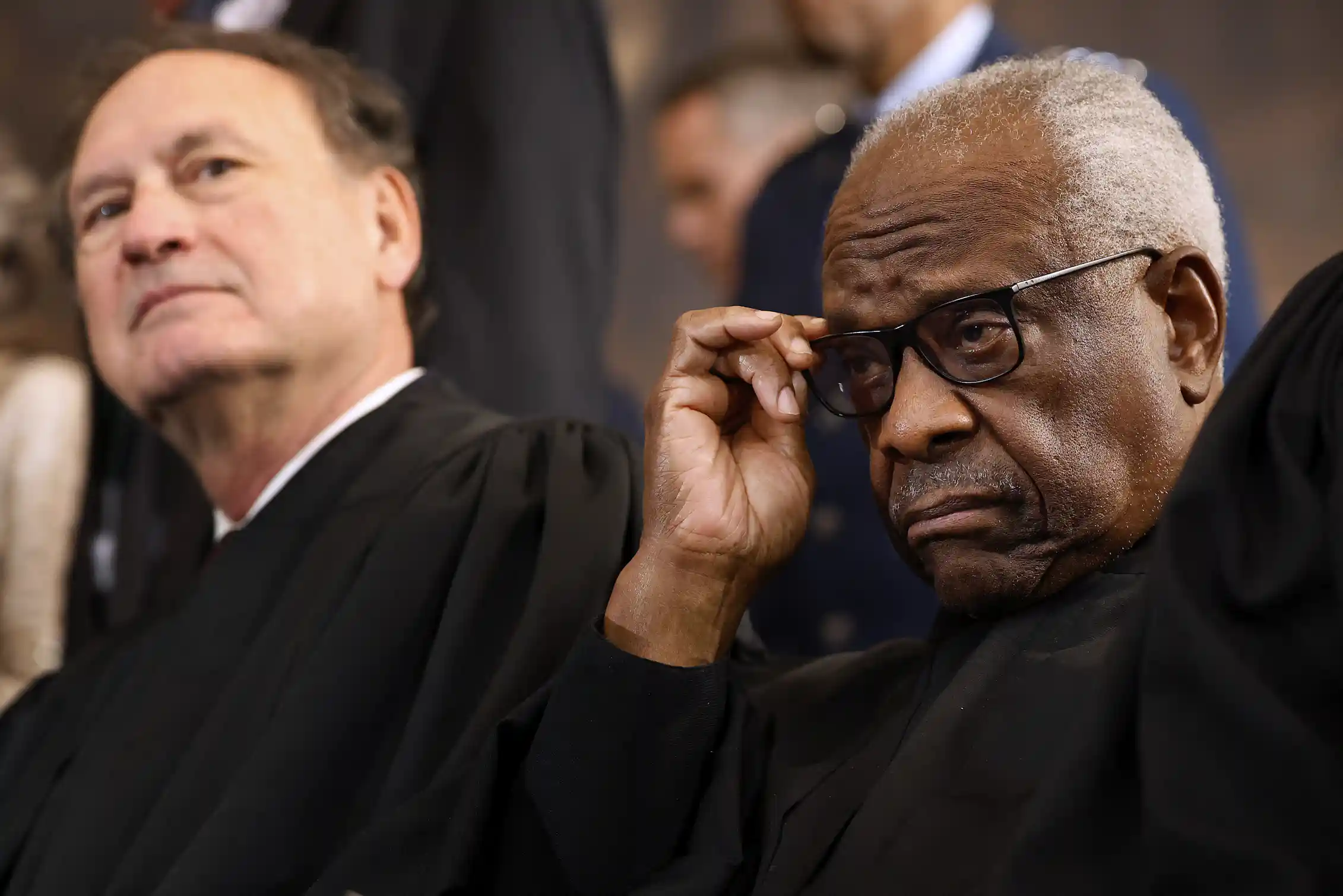
On Sept. 14 the court held the government is "unlikely to succeed on the merits." Thomas and Alito dissented. Litigation continues, but the clock now runs past November.
“is unlikely to succeed on the merits of its challenge”
Here's the gist
The Constitution hands the states and Congress the power to set how federal elections run, and a mail carrier is not an election regulator.




