From The Conversation · Lee Reiners · · 3m
Trump's crypto fortune killed his own deregulation bill
The president's $1.4 billion crypto windfall spooked Democrats and sank the Clarity Act, leaving the industry scrambling for regulatory wins instead.
In brief
The president's $1.4 billion crypto windfall spooked Democrats and sank the Clarity Act, leaving the industry scrambling for regulatory wins instead. Political self-interest can backfire: Trump's visible crypto wealth made Democratic senators fear voting for deregulation would look like enriching the president…
Crypto's biggest backer became its worst problem

President Trump promised to make America the crypto capital and fire the SEC chair, but revelations of his family's $1.4 billion crypto fortune in 2025 spooked Democratic senators who feared voting for deregulation would enrich him.
The industry spent $119 million to win
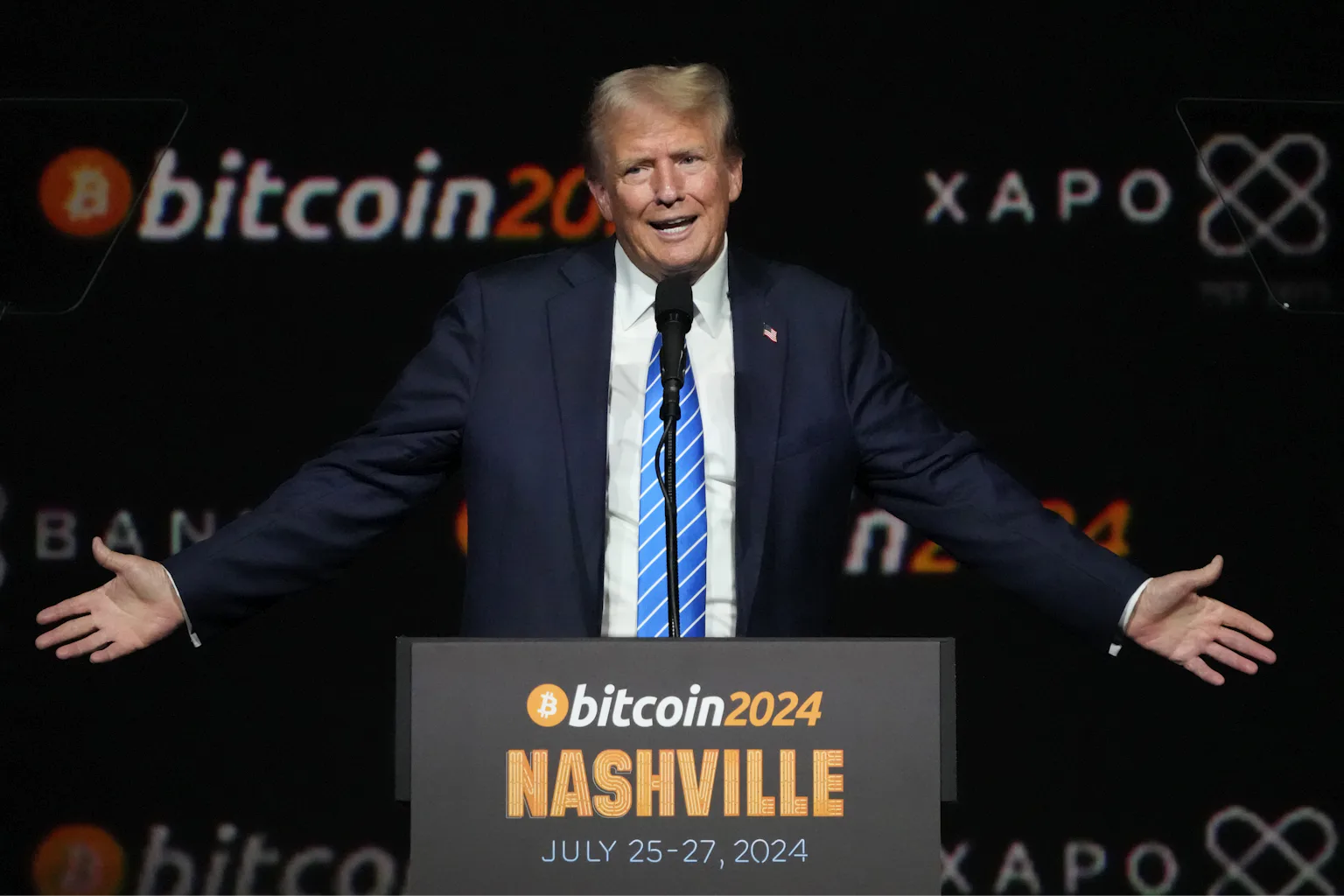
Crypto companies poured unprecedented sums into backing pro-crypto candidates in 2024, then continued lobbying after Trump's victory with donations and sponsorships to secure a major legislative win.
The Clarity Act explained
The bill would have classified most crypto tokens as commodities instead of securities, placing them under looser commodity regulation rather than strict SEC oversight that requires disclosure and investor protections.
House passed it with Democratic help
In summer 2025, the House approved the Clarity Act 294-134, with 78 Democrats voting yes, including former Speaker Nancy Pelosi. Senate passage looked likely until Coinbase CEO Brian Armstrong unexpectedly opposed it.
Trump's crypto empire emerged
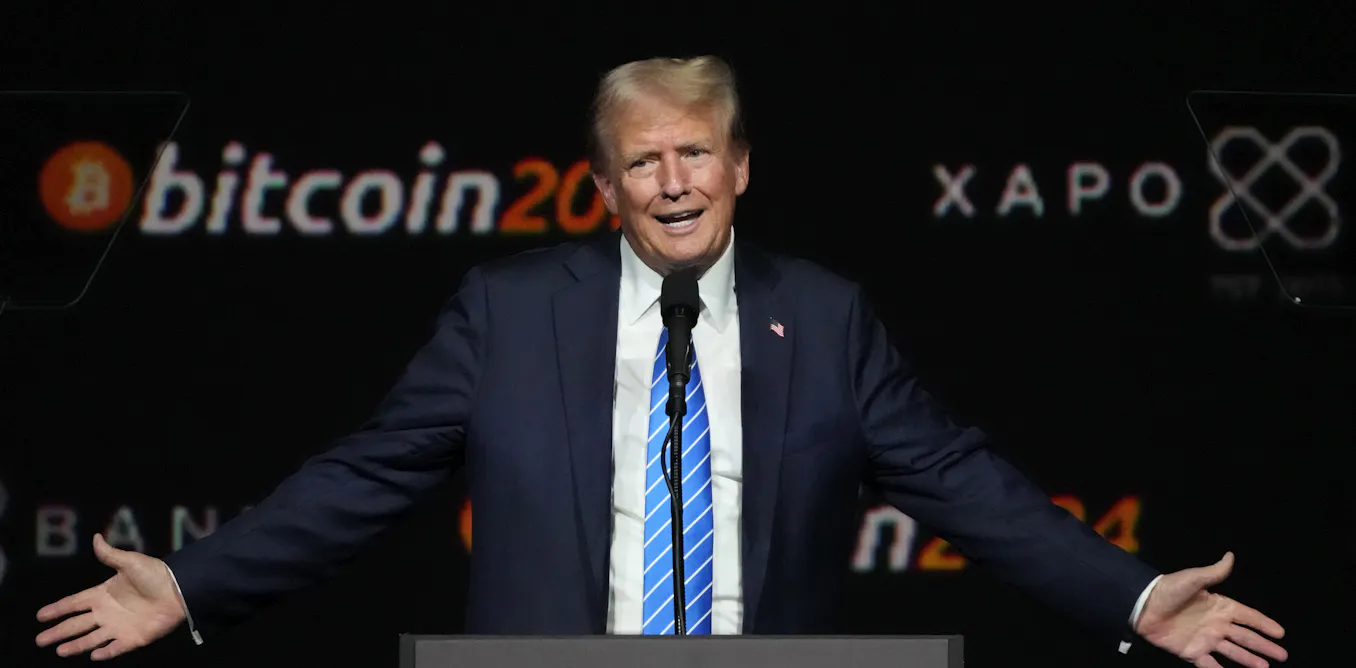
Between January and June 2026, reports revealed the Trump family's crypto ventures including World Liberty Financial, a stablecoin, a memecoin, and a mining company, totaling about $2.3 billion since the 2024 election.
Democrats demanded ethics protections
Senate Democrats insisted the final bill include provisions barring the president and officials from profiting off crypto while in office, requiring them to sell holdings or use blind trusts.
“Democrats unsuccessfully pushed for stronger ethics language in a crypto regulatory overhaul that would have applied to President Trump's family, including son Eric Trump.”
The ethics fix wasn't enough
The revised bill barred officials from issuing cryptocurrencies and required them to divest or use blind trusts, but excluded Trump's sons from these requirements, failing to satisfy Democratic concerns.
Banks fought the stablecoin loophole
Crypto exchanges were paying interest on stablecoins through a loophole in the GENIUS Act, threatening to lure bank deposits away. Banks demanded Congress close it, adding another obstacle to the bill.
The compromise satisfied no one
The final text let the Treasury Department restrict stablecoin rewards only after significant deposit flight occurred. Banks rejected this language, and no Democrats were won over by the ethics provisions.
The bill died on a procedural vote
On September 15, 2026, the Clarity Act fell short of the 60-vote majority needed to advance in the Senate, killed by the combination of lost Democratic support and three Republican defections over the banking issue.
Crypto now pursues regulation instead
With legislation dead, the industry is scrambling to advance its agenda through regulatory action instead. But Democratic control of Congress after the 2026 midterms could trigger investigations or stringent new oversight.
The industry's spending dilemma
Crypto interests now must decide whether to spend heavily to defeat crypto-skeptical Democrats before the midterms, risking a backlash if Democrats win and see the industry as overly partisan.
The key point
Political self-interest can backfire: Trump's visible crypto wealth made Democratic senators fear voting for deregulation would look like enriching the president, killing a bill the industry had spent over $119 million to support.