From The Conversation · Amy McAuliffe · · 3m
Ukraine and Russia are racing toward killer drones
Both nations are rapidly developing autonomous drones that can select and attack targets without human input, raising serious ethical and military concerns.
In brief
Both nations are rapidly developing autonomous drones that can select and attack targets without human input, raising serious ethical and military concerns. The Russia-Ukraine war is accelerating autonomous drone development faster than either nation can establish safeguards to keep humans in control of targeting…
Autonomous drones are no longer sci-fi
Russia and Ukraine have moved beyond semi-autonomous drones and are now deploying fully autonomous unmanned aerial vehicles capable of selecting and engaging targets without human intervention.
The race accelerated after 2022

Since the war began in February 2022, both nations have prioritized drone production and development. Russia initially relied on Iranian technology but has built its own capacity, while Ukraine grew from a nascent industry using private firms and innovation.
Ukraine deployed AI-guided drones first
In November 2025, a Ukrainian first-person-view drone used AI-assisted guidance to strike a Russian tank after losing its communications link. The operator selected the target, but the drone guided the final attack stages itself.
Russia fielded fully autonomous drones
Russia deployed at least one fully autonomous unmanned aerial vehicle in early 2025. Analysis of recovered V2U drones revealed an Nvidia computer running AI decision-making software, with later variants lacking external communications systems that suggest operator control.
How autonomous targeting actually works
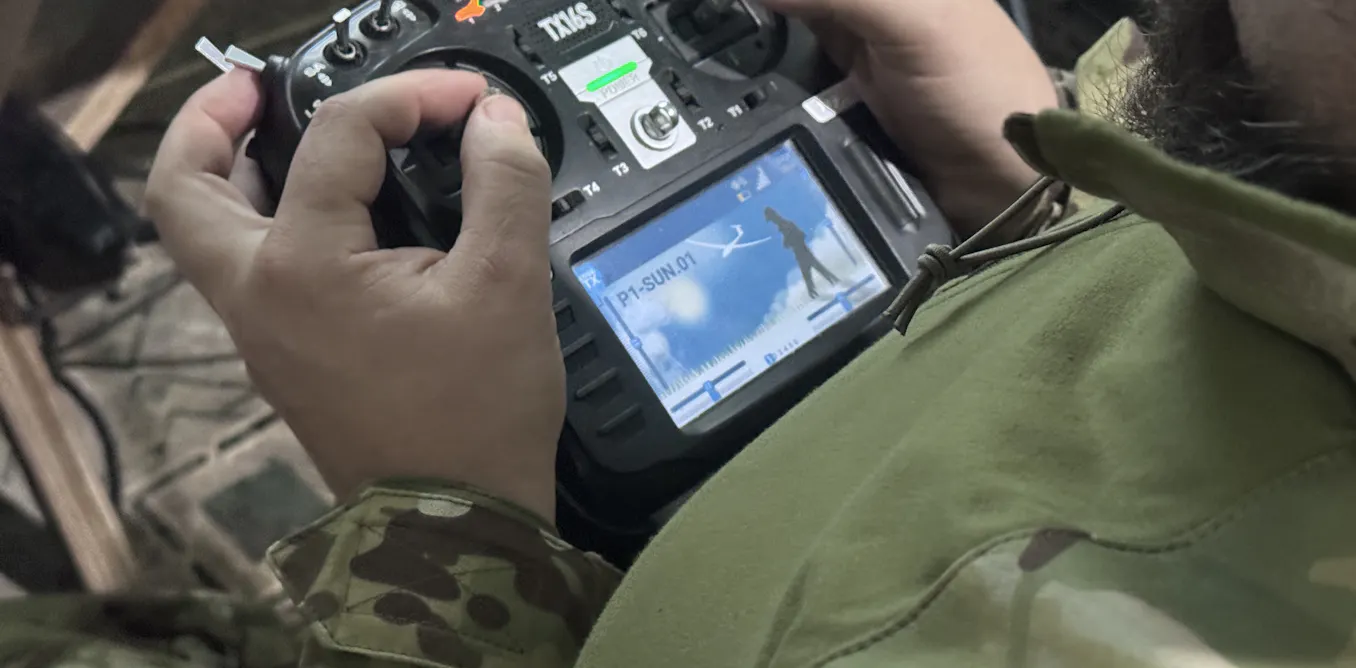
The V2U's onboard AI uses computer vision to analyze images from sensors, autonomously recognize objects, track them, and select targets without operator intervention. This removes human judgment from the targeting decision entirely.
Ukraine is building modular AI packages
Ukraine has focused on modular AI-driven packages with embedded chips and cameras that can be installed across multiple drone platforms. Some modules guide drones the final 500 meters to targets, with manufacturers advertising even more advanced versions offering full autonomy.
Battlefield advantages are real

Autonomous drones reduce dependence on communications links, function despite jamming, enable strikes deep into enemy territory, and improve targeting of moving objects. They could also reduce the personnel needed to operate large drone fleets.
But ethical safeguards are lagging
Ukraine requires humans to verify targets in final interception stages, but Russia's framework only emphasizes the ability to alter or deactivate systems, not human verification before strikes. Technology is advancing faster than either nation's ability to maintain human control.
Swarming drones pose next threat
The next escalation involves swarming drones that hunt in packs of hundreds or thousands and autonomously alter behavior by communicating with each other. This presents an even more frightening challenge to maintaining any human control over autonomous weapons.
Fully autonomous battlefields possible soon
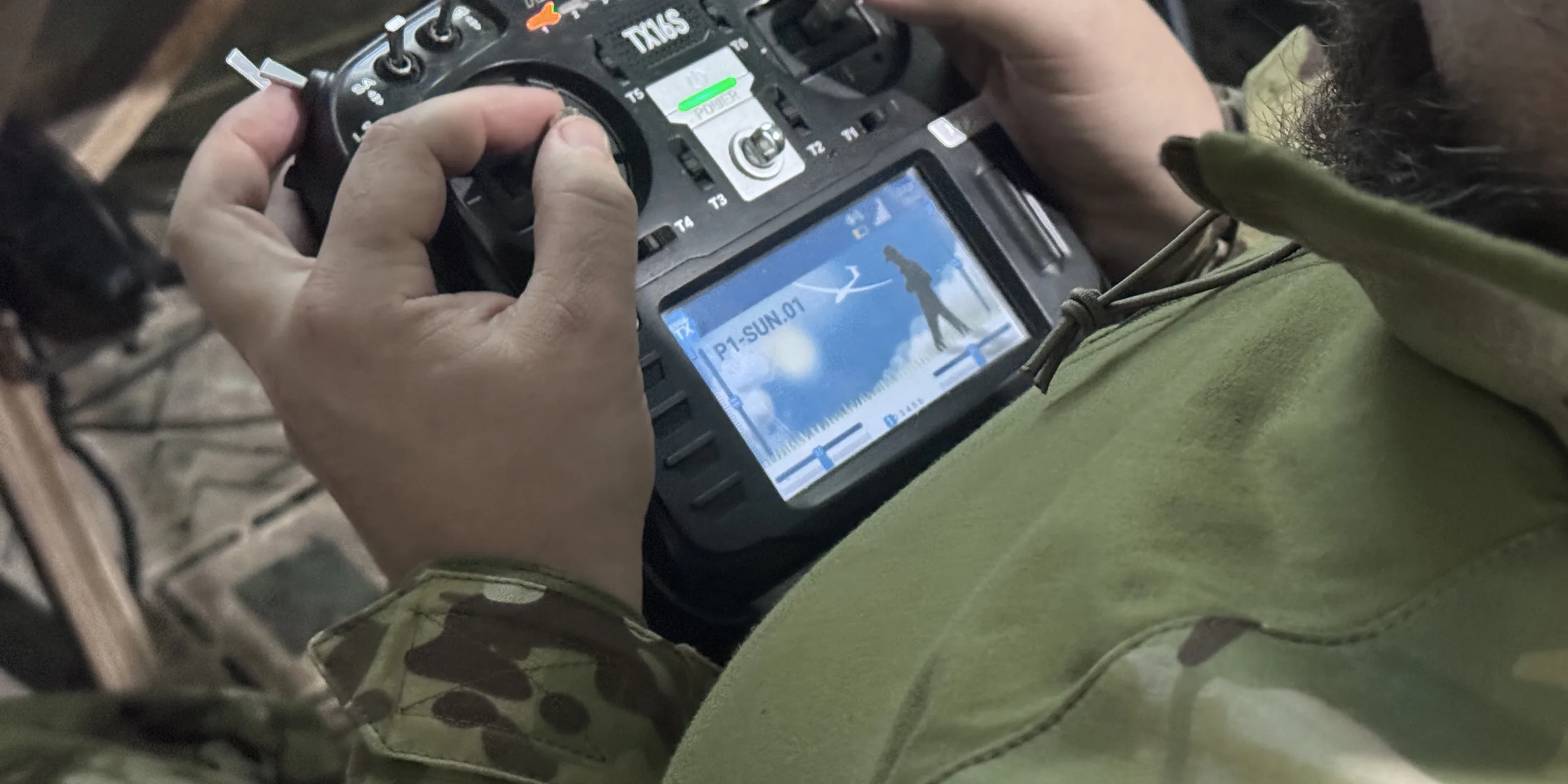
Given current production rates and development pace, a battlefield with hundreds to thousands of fully autonomous drones operating is plausible within the next few years, outpacing frameworks for human control over targeting decisions.
Here's the gist
The Russia-Ukraine war is accelerating autonomous drone development faster than either nation can establish safeguards to keep humans in control of targeting decisions.