From The Conversation · Sydney Giacalone · · 3m
Wendell Berry's gift to Christian farmers
A Kentucky writer showed rural Christians how faith and sustainable farming can align, challenging their communities' conventional wisdom.
In brief
A Kentucky writer showed rural Christians how faith and sustainable farming can align, challenging their communities' conventional wisdom. Wendell Berry provided moral validation for Christian farmers transitioning to sustainable practices in communities that often treated environmentalism and faith as opposing…
A late-night call changes everything
In August 2026, an anthropologist learned that Wendell Berry, a Kentucky farmer and writer who inspired rural producers, had passed away. The news hit hard among the 70+ family farmers she'd studied over five years.
Berry bridged faith and farming

Berry was an outspoken proponent of environmentally minded farming and its connection to Christian faith. In a climate where these two values are often treated as politically opposed, sustainable farmers of faith told the researcher that Berry validated their own sense of morality.
From conventional to regenerative
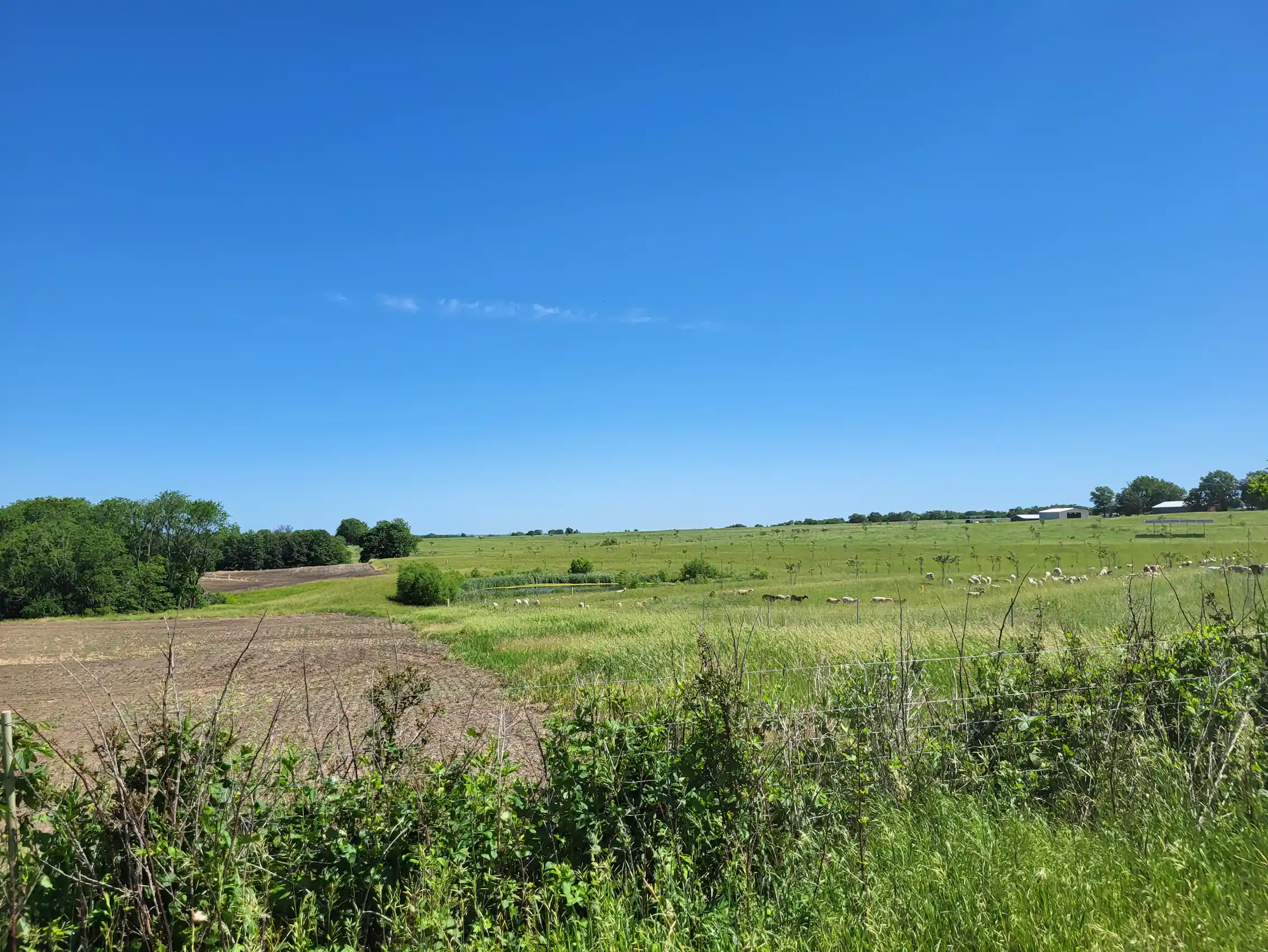
Most U.S. farmers grow monocrops using intensive tilling, synthetic fertilizers, and pesticides. The farmers in this study switched to practices like eliminating tillage, adding cover crops, and rotating livestock through pastures to let land recover.
Soil and ecosystems bounce back
Over time, regenerative farms saw improvements in soil health, less erosion, better water absorption, and greater organic matter. These practices also boosted animal well-being and the diversity of plants, microbes, insects and fungi.
The social cost of change
While the agricultural transition was often straightforward, the social side was harder. Some farmers felt ostracized by family and peers who considered sustainable farming and environmentalism itself to be anti-farmer and anti-rural.
Churches pushed back too
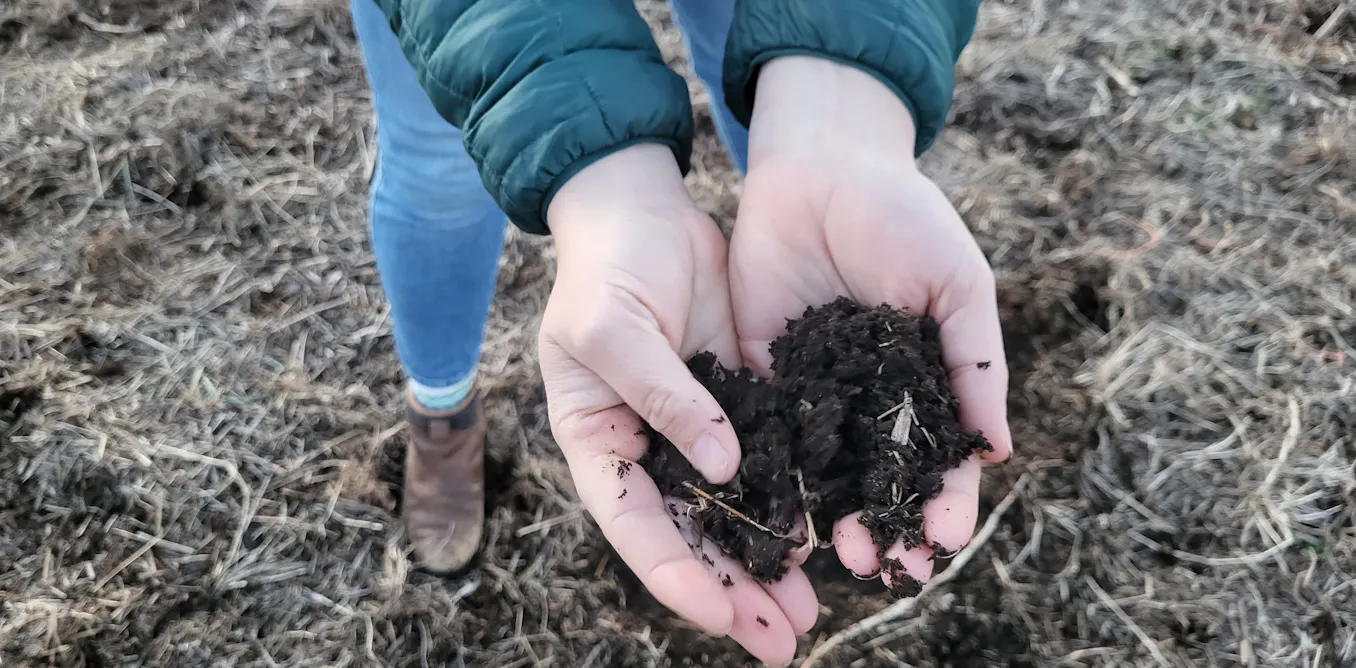
Nearly all the farmers grew up in Protestant Christian households. Once they felt they had harmed the land, many connected their faith with guilt and responsibility to address that harm. But when they tried to discuss environmental care at church, they faced resistance.
Faith versus environmentalism
Angela, a Tennessee farmer, tried to start an eco-ministry at her church. A member asked if she was a Christian who cares about the earth or just an environmentalist using Christians. Another friend's sister said caring for creation was a sin because God is in charge.
“I can't figure out if you're a Christian who cares about the earth, or just an environmentalist trying to use Christians.”
Challenging what God's work means
Iowa rancher Jon wondered if peers saw critiques of conventional agriculture as slights against their belief that they were living out a God-given role of productively cultivating the land. He realized his methods had unintended ecological impacts.
“How many generations have we been conditioned that if we make it tillable, we're doing God's work?”
The apocalyptic argument
Some church leaders told farmers their sustainability efforts didn't matter because the world would burn up anyway. This reflects what scholars call apocalyptic conspiracism, which accepts environmental degradation as a sign that Jesus will soon return to Earth.
“It doesn't matter what we do to land. It's all temporary. It's all going to burn up.”
Berry opened their eyes
When asked why they thought differently about environmentalism and faith, both Jennifer and Harry immediately credited Wendell Berry. His writings were fundamental in shifting their perspectives on both topics.
“Wendell Berry opened my eyes. Mine too. I mean, we owe a lot to that man.”
A model for dialogue
Berry didn't fit into political labels or extremes. Multiple farmers said they looked to him as a model for how to speak to their own communities in ways that would open dialogue, rather than shut it down.
Healing right here, right now
Drew explained that being a Christian is not just about going to heaven when you die, but about bringing healing and regeneration right here. He could believe in science and be part of healing and regenerating now.
“Being a Christian is not just about going to heaven when you die, that's escapism. It's also bringing about healing and regeneration and reconciliation right here.”
The short version
Wendell Berry provided moral validation for Christian farmers transitioning to sustainable practices in communities that often treated environmentalism and faith as opposing values.





