From The Conversation · Brian O'Neill · · 2m
What a clearance actually tells a president
A former CIA executive explains why the vetting a White House aide skips matters more than loyalty ever could.
In brief
A former CIA executive explains why the vetting a White House aide skips matters more than loyalty ever could. A background check is not a loyalty test. It exists to surface the risks a president cannot see on their own. Originally reported by The Conversation.
A year inside, unvetted
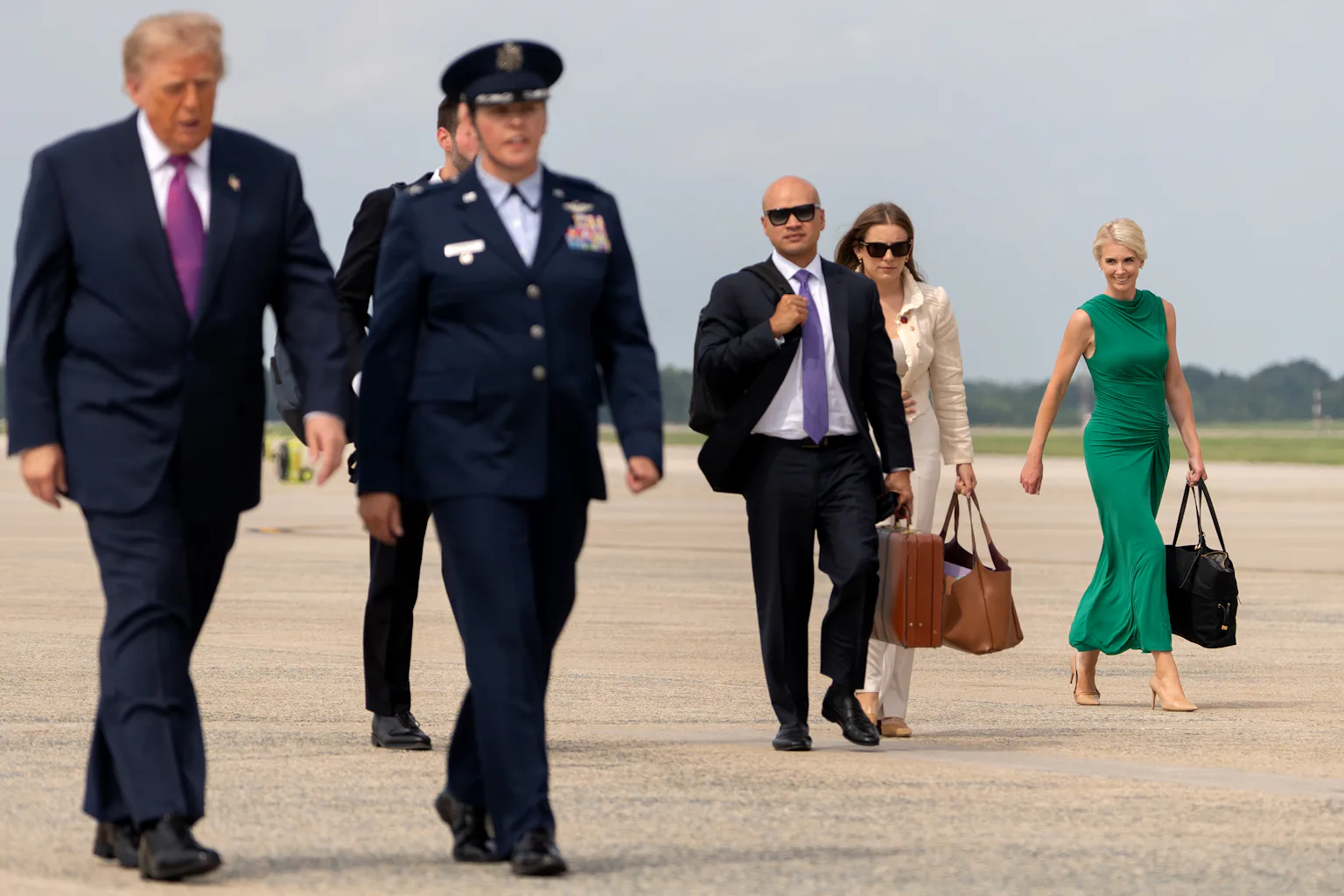
Natalie Harp, one of Trump's closest aides, worked in the White House for more than a year without finishing the standard security clearance process, according to an MS Now report.
She kept declining
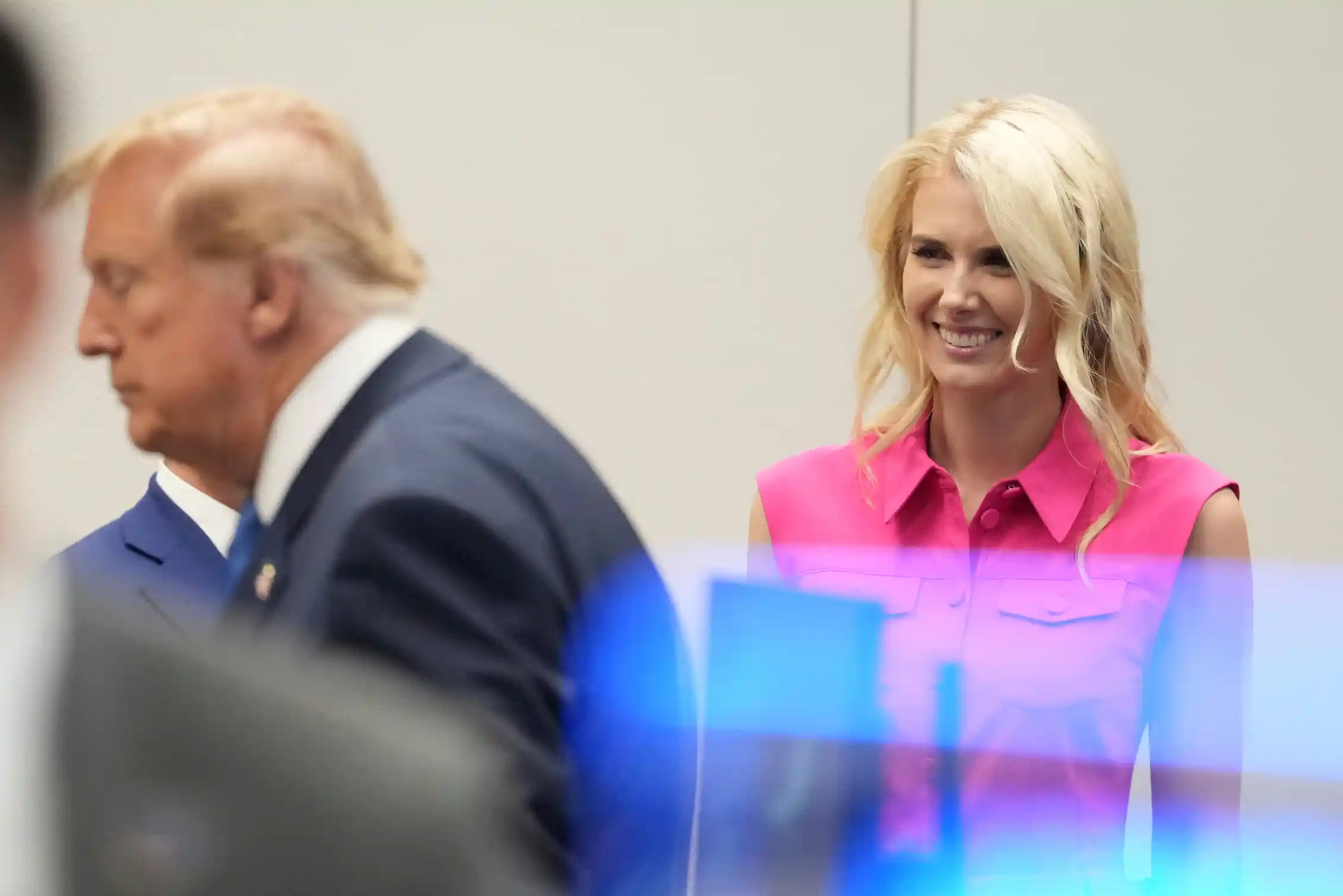
Harp reportedly put off starting the process multiple times across that year. She filed the forms only after internal concerns surfaced and Trump stepped in. She has since been cleared.
The clock nobody can beat
Every new administration needs staff on day one, but vetting runs for months. Interim clearances bridge that gap, and Trump authorized six-month interim Top Secret access in January 2025.
What vetting really digs into

Investigators comb through employment, finances, foreign contacts, travel, criminal history and drug use. They interview employers, neighbors, friends and family. The CIA adds a polygraph.
“The CIA's clearance process is uniquely intimidating, intrusive and exhausting”
206 days, not 114
The GAO reported in February 2026 that the fastest 90% of initial Top Secret clearances averaged 206 days as of early 2025. The government's own target was 114.
Seventy-seven days to staff up
A president-elect gets about 11 weeks between Election Day and inauguration to put hundreds of people in place on intelligence, military operations, terrorism and diplomacy.
Not loyalty, exposure
Investigators are not grading patriotism. They are hunting for pressure points: debts, foreign ties, old misconduct. Most have innocent explanations, but only if someone finds them first.
“investigators cannot evaluate something they never discover”
The question only a stranger asks
A president can be certain an aide is loyal and be right. The security officer asks a different question: is there something about this person the president does not know?
Being in the room is the prize
As executive aide to the CIA's deputy director, the author knew nearly every major operation just by being present. No file has to leave the building for a foreign service to profit.
“Access to the president's informational environment can itself be a valuable target.”
Overriding nothing at all
A president can weigh what an investigation turns up and hire the person anyway. That is their call. Skip the investigation and there is no judgment to override, just a blank space.
“they are making the decision without one”
The headline
A background check is not a loyalty test. It exists to surface the risks a president cannot see on their own.




