From The Conversation · Menika Dirkson · · 3m
When airports became federal surveillance posts
Philadelphia's airport police once helped catch AWOL soldiers. Now ICE uses the same playbook.
In brief
Philadelphia's airport police once helped catch AWOL soldiers. Now ICE uses the same playbook. Local police have long assisted federal agencies in apprehending people at airports, from Vietnam War deserters in the 1960s to immigrants today. Originally reported by The Conversation.
ICE ramps up airport arrests in 2026
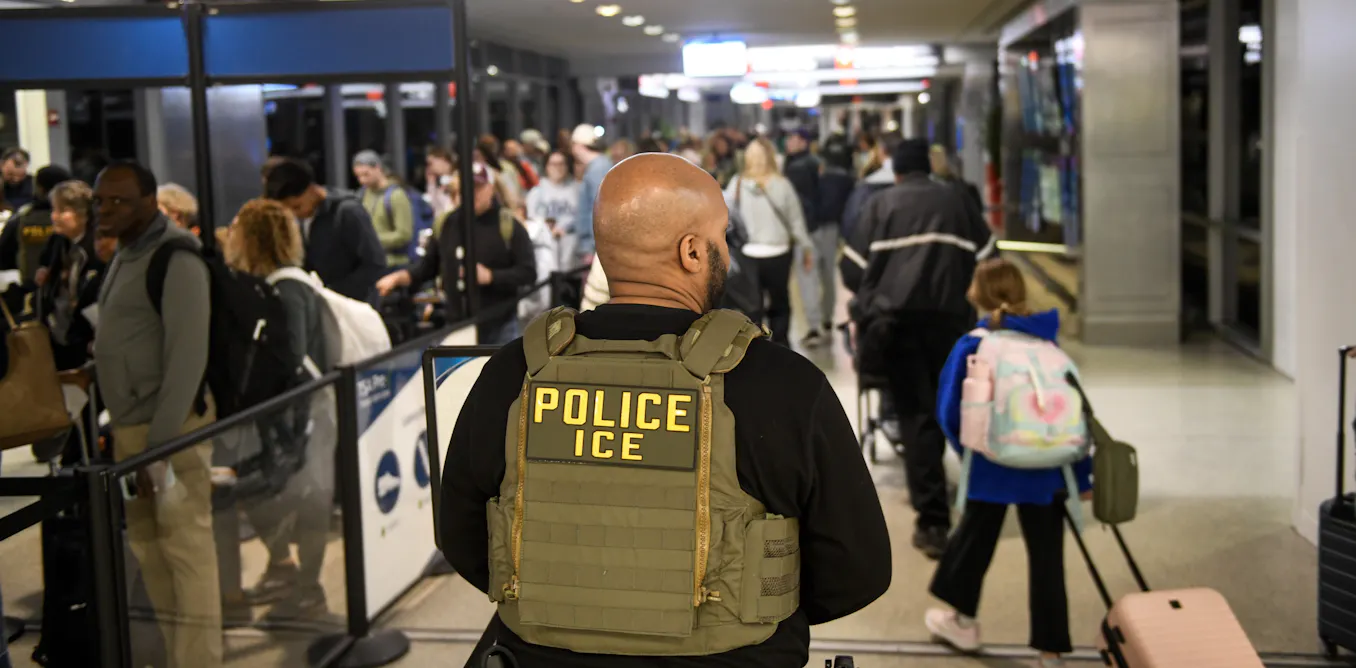
Immigration and Customs Enforcement increased arrests at major U.S. airports over summer 2026, including Philadelphia International, working with TSA to meet the Trump administration's goal of apprehending 1,100 people daily.
A historical parallel emerges
Decades before TSA existed, local police at Philadelphia International Airport helped the military catch AWOL Vietnam War soldiers, showing how airports have long been sites of federal surveillance and apprehension.
Vietnam War was deeply unpopular
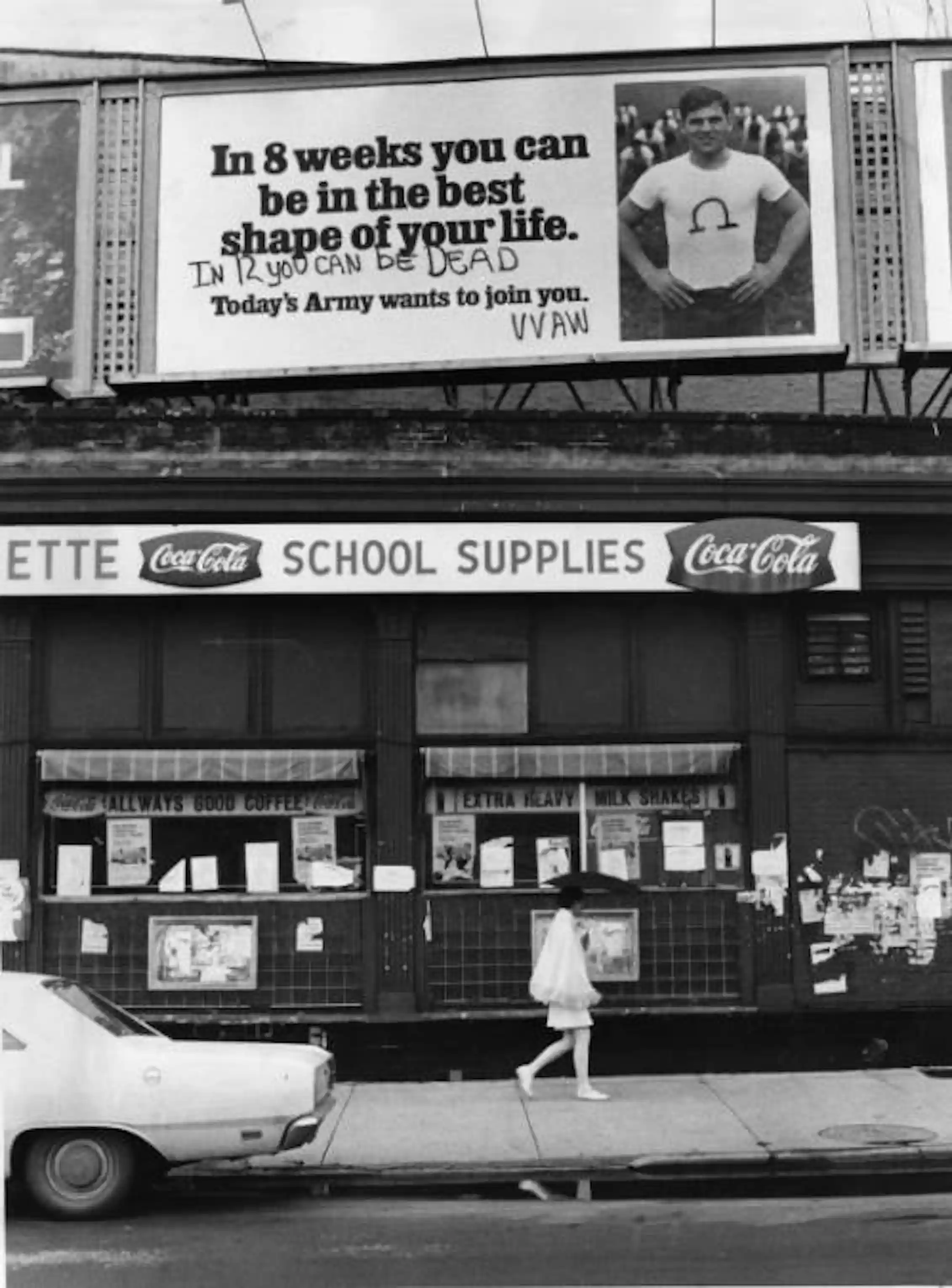
The war's unclear goals and atrocities like the My Lai massacre made it unpopular. About 80% of drafted soldiers were working-class men facing higher injury and death rates than in World War II or Korea.
Philadelphia paid a heavy price
Nearly 60,000 U.S. military personnel died in Vietnam. One in five Pennsylvanians killed were from Philadelphia. Edison High School in North Philadelphia had the most high school students killed nationwide: 64.
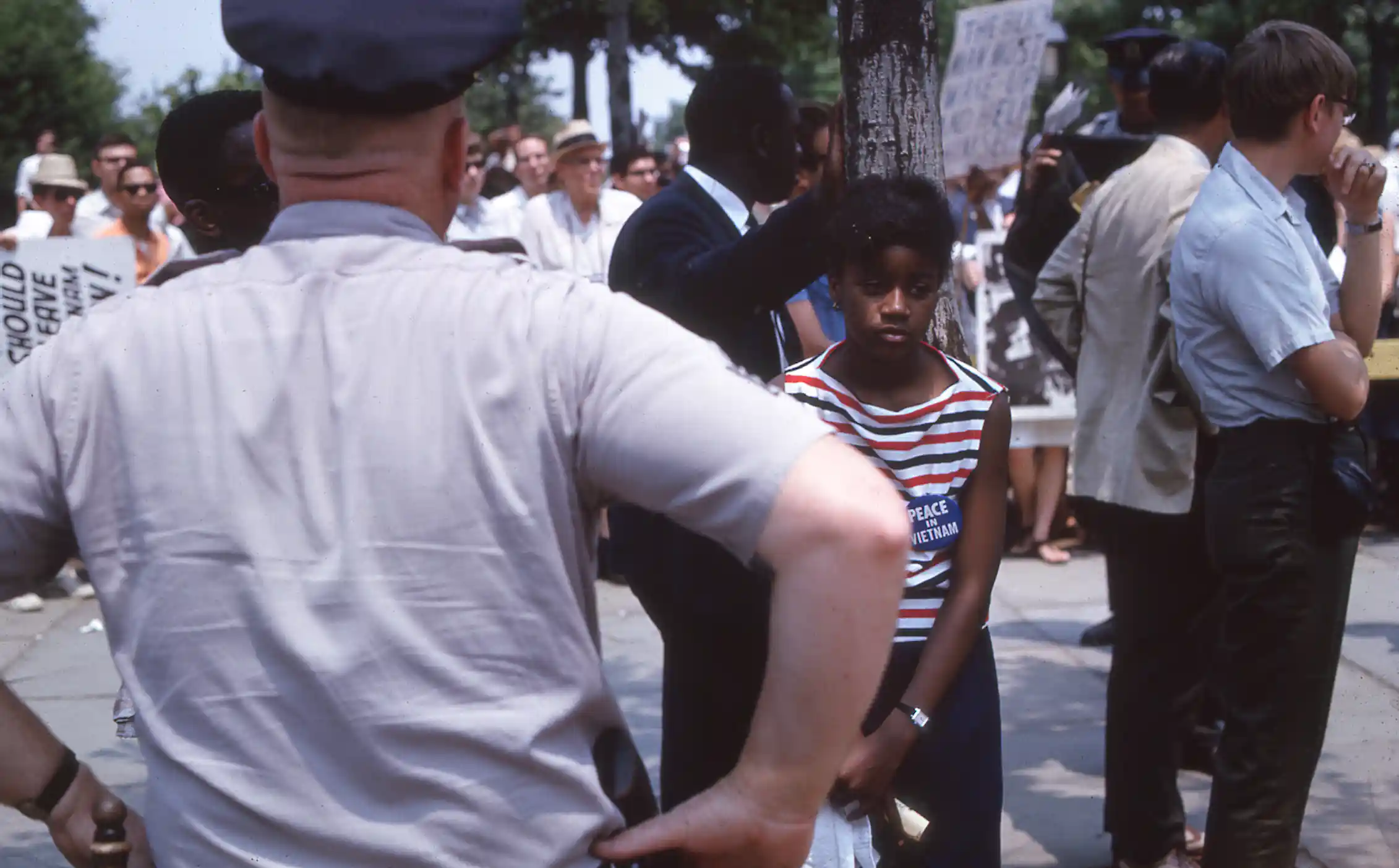
Airport police monitored anti-war activists
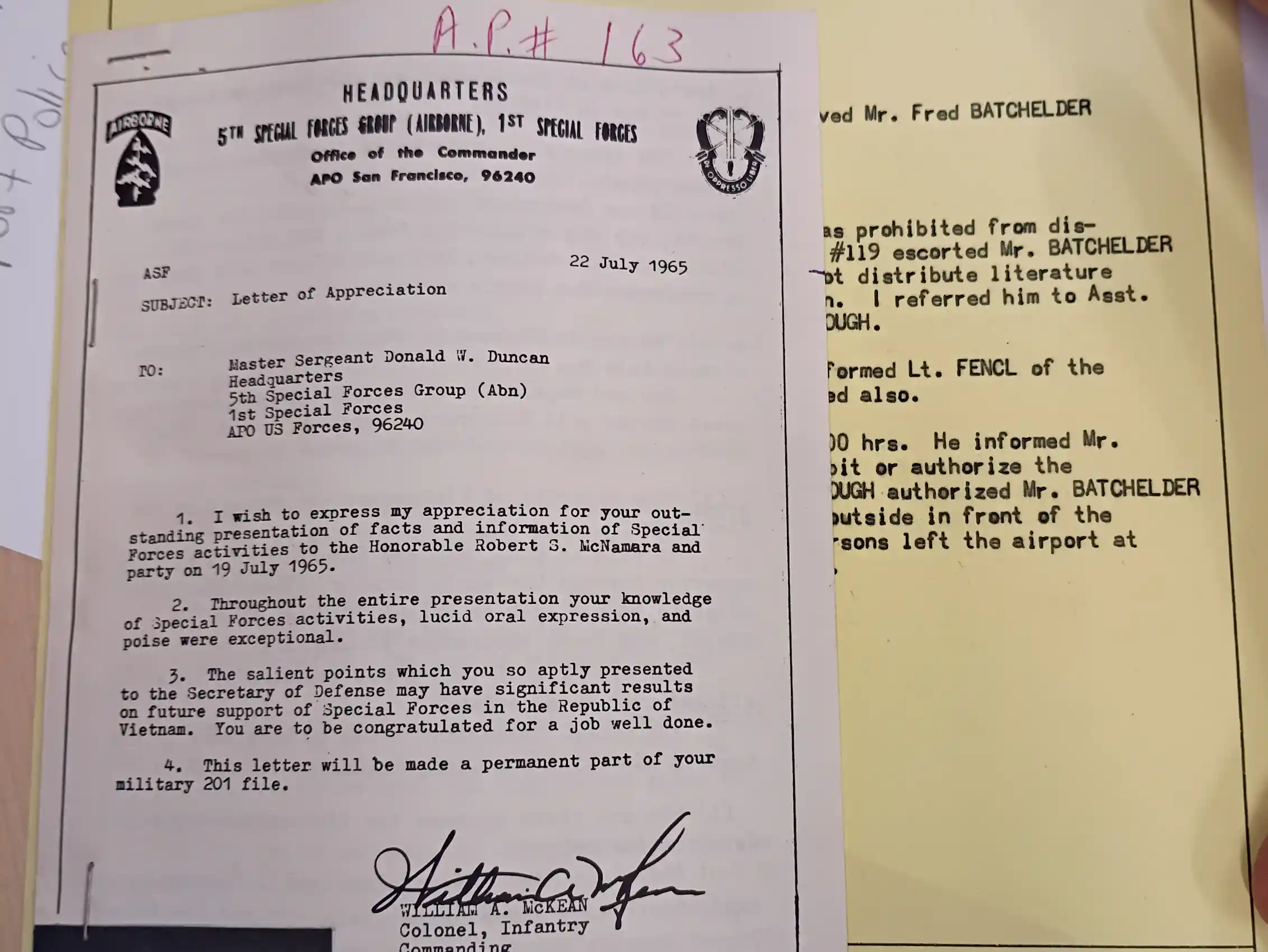
In 1967, Philadelphia airport police detained Fred Batchelder for distributing anti-war pamphlets without authorization, then reported his activities to the Civil Disobedience Squad and FBI for further investigation.
AWOL soldiers fled through terminals
Servicemen used the airport's busy environment to escape military custody. In one case, sailor D. Green ran through the main terminal while airport and Navy police chased him across nearby highways until he was caught.
Medical emergencies became escape routes
Some soldiers faked illnesses to avoid deployment. Navy officer P. Nahmens claimed chest pains and stomach problems to avoid returning to his ship. Police noted his reluctance to report to superiors made them suspicious.
Officers doubted soldiers' distress
Private Wishler had a seizure in the baggage room, but Officer D'Ambrosio wrote that he only 'appeared' to be unconscious and convulsing, suggesting police skepticism about servicemen's medical claims.
“appeared to be unconscious and convulsing”
Some soldiers attempted suicide
In July 1967, Army officer J. Fries told his sergeant he was afraid to go to Vietnam and would end it all. He survived an aspirin overdose in an airport restroom and was transported to the Naval Hospital.
TSA replaced local police surveillance
After the September 11, 2001 attacks, the Transportation Security Administration was established, taking over the federal security and surveillance role that local police had performed at Philadelphia's airport for decades.
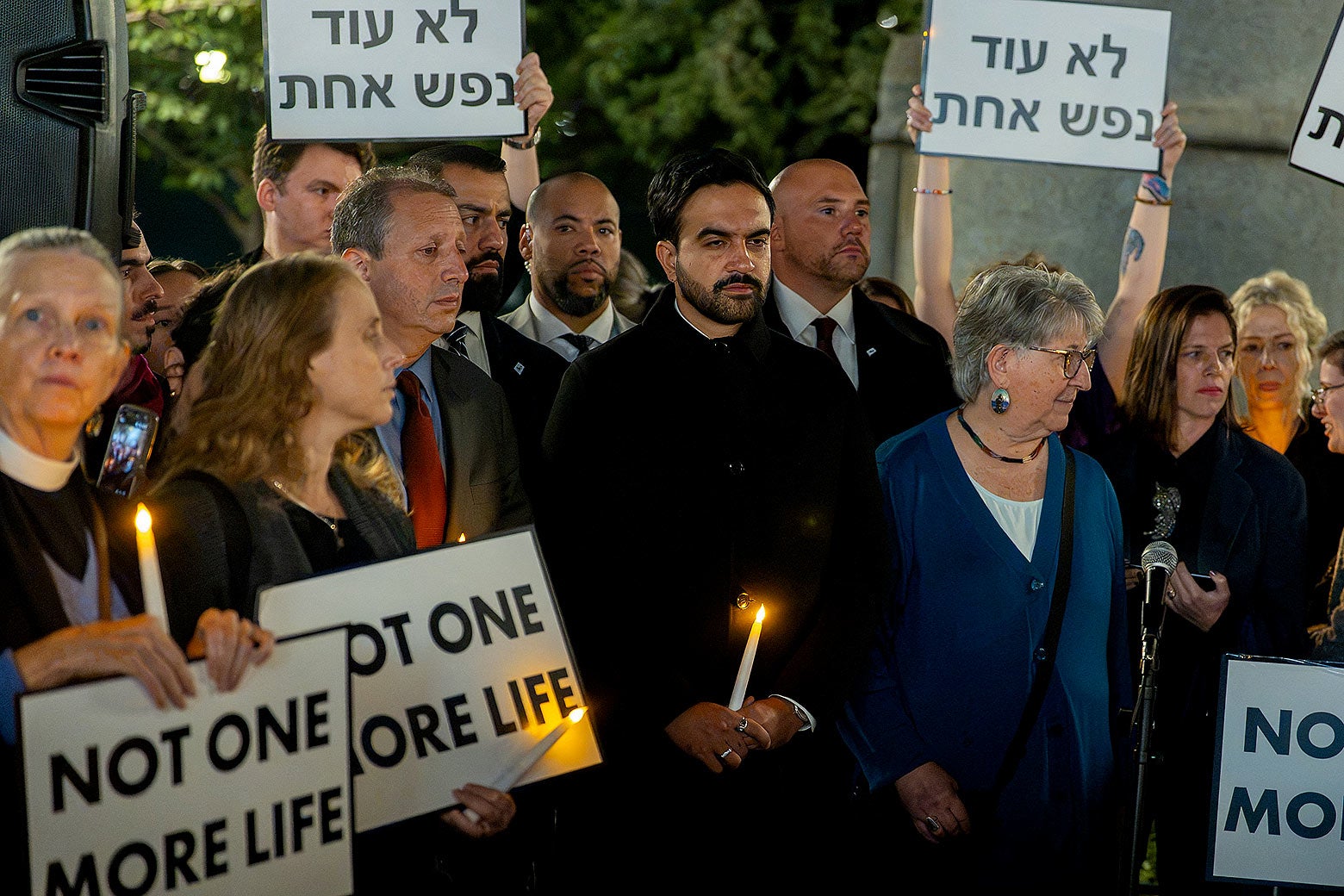
Protesters demand ICE leave PHL
In spring and summer 2026, peaceful protesters gathered outside Philadelphia International terminals demanding ICE stop intimidating travelers. Immigration advocates documented at least 10 immigrants arrested by ICE since July 2026.
Here's the gist
Local police have long assisted federal agencies in apprehending people at airports, from Vietnam War deserters in the 1960s to immigrants today.