From The Conversation · Chanh Kieu · · 2m
Why AI can't predict hurricane fury
AI excels at global weather forecasts but struggles with hurricane intensity because of data gaps and chaos.
In brief
AI excels at global weather forecasts but struggles with hurricane intensity because of data gaps and chaos. Hurricane intensity forecasts need better regional data and must account for inherent chaos in storm behavior, not just more computing power. Originally reported by The Conversation.
AI transformed global weather forecasts
In just a few years, AI weather models now rival the world's best physics-based prediction systems, driven by massive datasets, AI advances, and computational power.
But regional forecasts are much harder
When AI zooms in from global to regional scale, forecasts become far more challenging. Hurricane intensity prediction requires capturing extreme events that develop rapidly over short distances.
Rapid intensification catches forecasters off guard
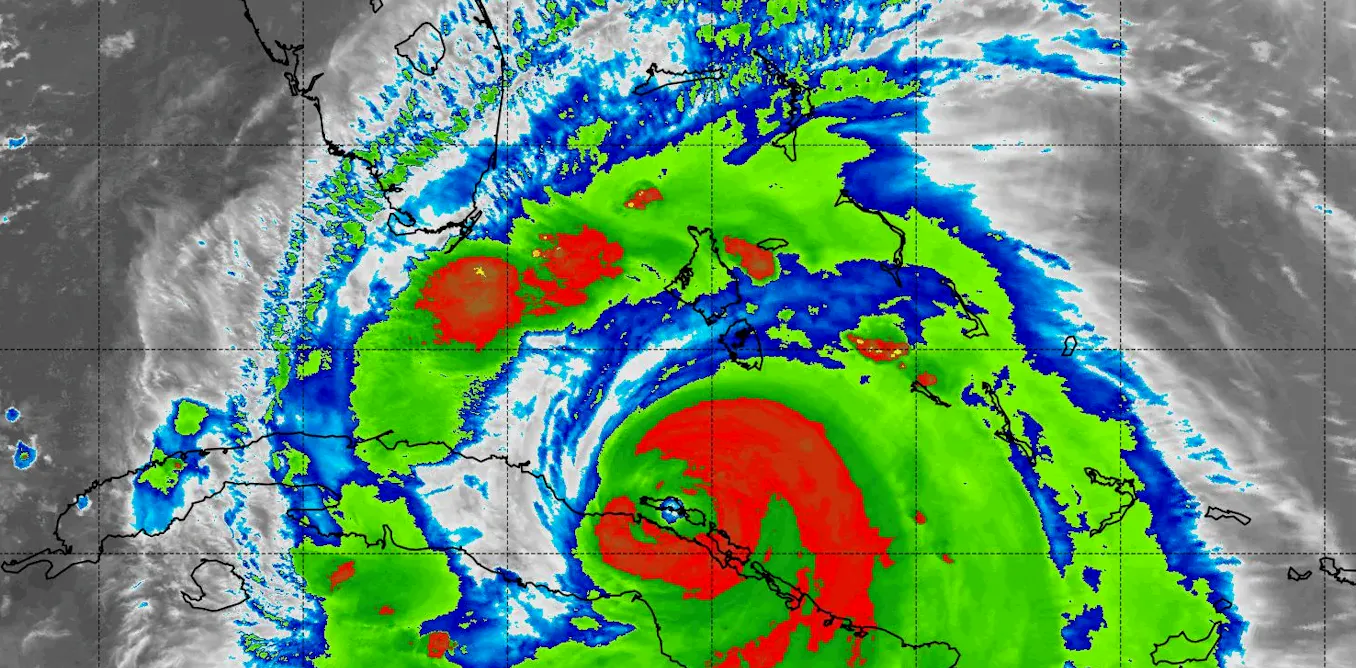
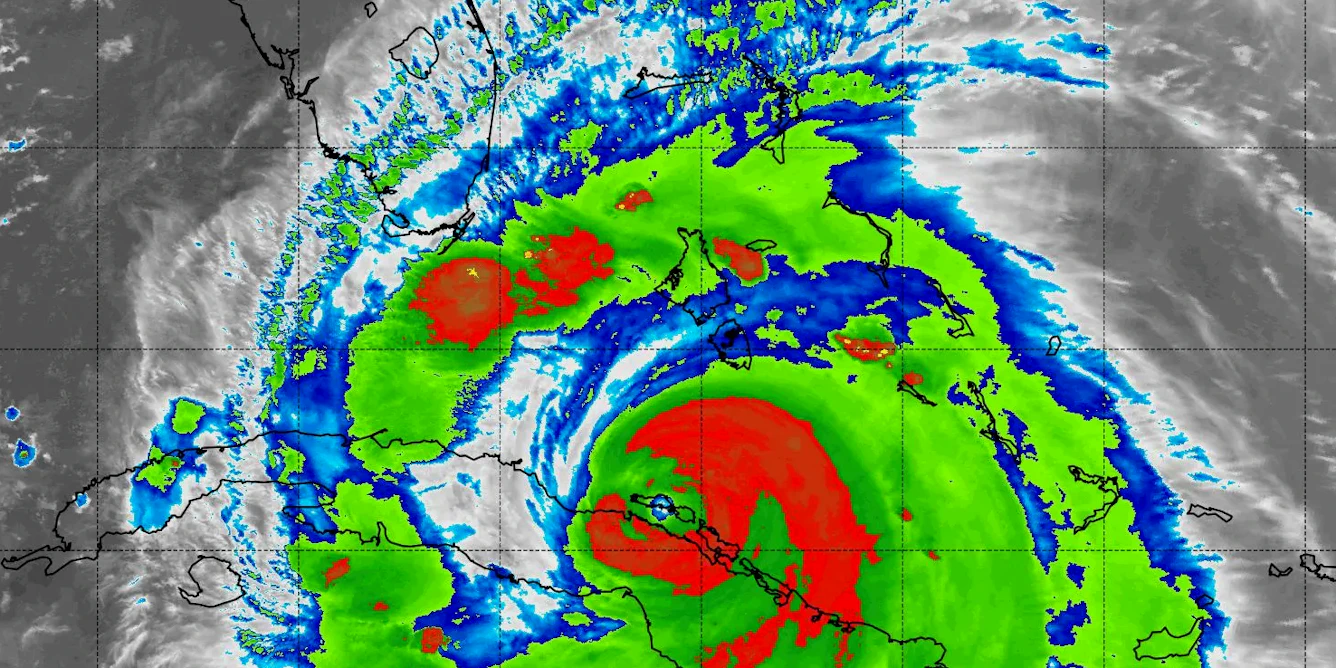
Hurricane Polo strengthened from a tropical storm to a Category 5 hurricane in 24 hours in September 2026, reaching 180 mph winds. When rapid intensification surprises forecasters, communities have too little time to evacuate.
Direct observations have major gaps
Weather stations, radars, and buoys provide detailed data but are limited to coastal regions. Most critical hurricane development happens over the open ocean where direct observations are sparse.
Satellites can't see the full picture
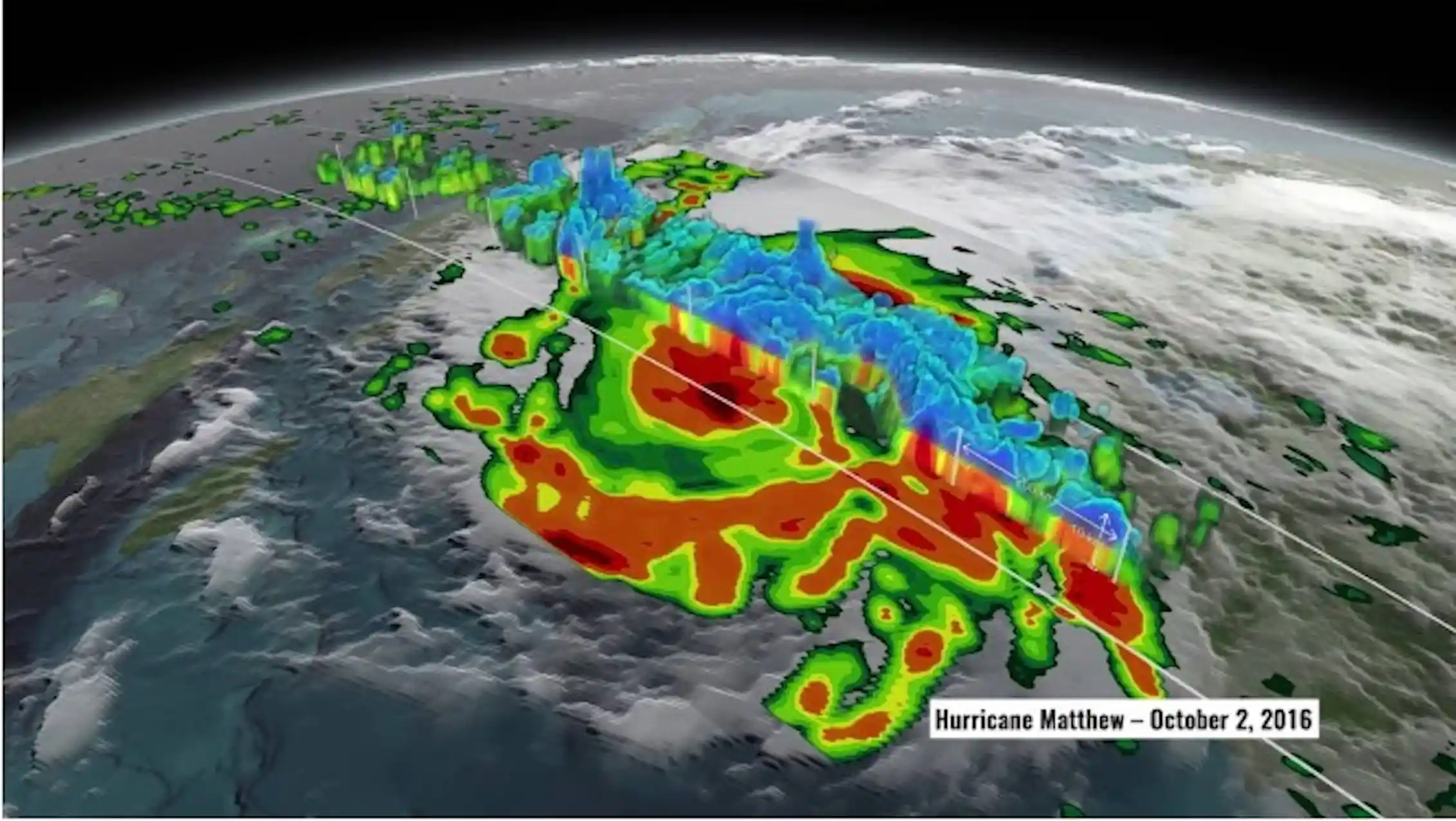
Modern satellites help fill ocean gaps but can only estimate partial rainfall, surface winds, or cloud-top temperatures. They cannot simultaneously scan a complete three-dimensional structure of every hurricane.
Weather model simulations have limits too
Computer models combine atmospheric conditions with physics to create detailed three-dimensional pictures, but all models contain approximations and uncertainties that miss fine-scale processes.
The data problem has no easy fix
Scientists lack a good full three-dimensional dataset to train AI models for hurricane intensity prediction. Even perfect future measurements might not solve the problem because of chaos in storm behavior.
Tiny differences create big uncertainty
Tiny variations in a hurricane's initial state can grow rapidly over time. Warm ocean water increases both a hurricane's potential intensity and the fluctuations around that limit.
“Tiny differences in the initial state of a hurricane can quickly grow over time.”
Chaos creates a fundamental dilemma
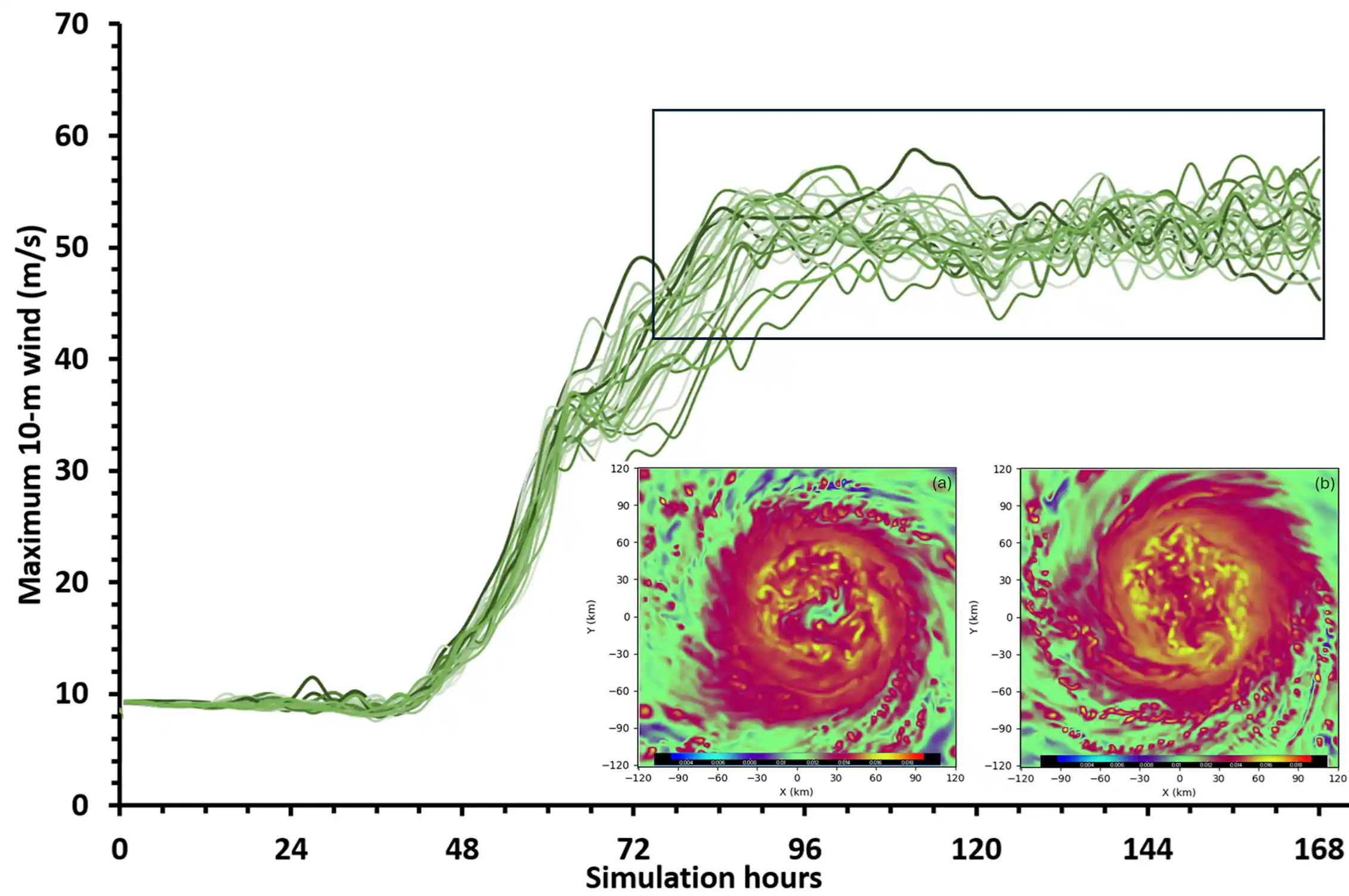
AI models face competing goals: minimize forecast error or capture the hurricane's inherent chaos. If chaos is captured, error cannot be reduced indefinitely, limiting forecast accuracy after just a few days.
Better forecasts need new approaches
The solution requires understanding hurricane behavior and how chaos emerges, not just more data or faster computers. Future forecasts should show a range of possible intensities and probabilities instead of a single number.
In short
Hurricane intensity forecasts need better regional data and must account for inherent chaos in storm behavior, not just more computing power.





