From The Conversation · Jay L. Zagorsky · · 3m
Why cash-only betting could curb gambling problems
An economist proposes requiring gamblers to use paper money instead of digital payments to reduce addiction and fraud.
In brief
An economist proposes requiring gamblers to use paper money instead of digital payments to reduce addiction and fraud. Making people bet with cash instead of digital payments creates friction that forces them to pause and think before wagering, while also making large bets visible and harder to hide. Originally…
Gambling boom creates new problems
U.S. casinos and sportsbooks earned $79 billion in 2025, up 20% in two years. But the explosion has triggered scandals: a police chief embezzled $4.5 million for sports bets, basketball stars bet on their own games, and politicians wager on elections.
Supreme Court opened the floodgates
In 2018, the Supreme Court ruled states could legalize sports betting. Prediction market companies like Kalshi and Polymarket then exploded, operating under federal rules that bypass state gambling restrictions.
Addiction affects millions of Americans

About 20 million Americans are problem gamblers, roughly 6% of the population. The World Health Organization estimates 1.2% of the world has a gambling problem, often leading to financial ruin.
Insider trading thrives in prediction markets
A Special Forces soldier was arrested in April 2026 for winning over $400,000 betting on classified information about when the military would capture Venezuelan leader Nicolás Maduro.
Large bets can manipulate outcomes
Anonymous high-rollers called whales can influence sporting events and elections by making massive bets that shift odds and narratives. A French gambler's heavy Trump bets in 2024 exemplified this power.
Industry jobs haven't grown much

Gaming companies claim the industry creates jobs, but employment peaked at 70,000 workers in 2007, fell during the pandemic, and rebounded to only 67,000 in 2024. The economic benefit doesn't offset gambling's harms.
Gambling is politically untouchable
States depend on gambling taxes, media companies profit from betting ads, and sports leagues love gambling because it keeps fans watching. Politicians are unlikely to restrict an industry that funds government and entertainment.
Digital betting removes all friction
Placing a bet today is instant: pull out your phone, open an app, tap or click. This frictionless experience encourages people to bet more often and without thinking, much like how easy online shopping increases purchases.
Cash betting creates necessary friction
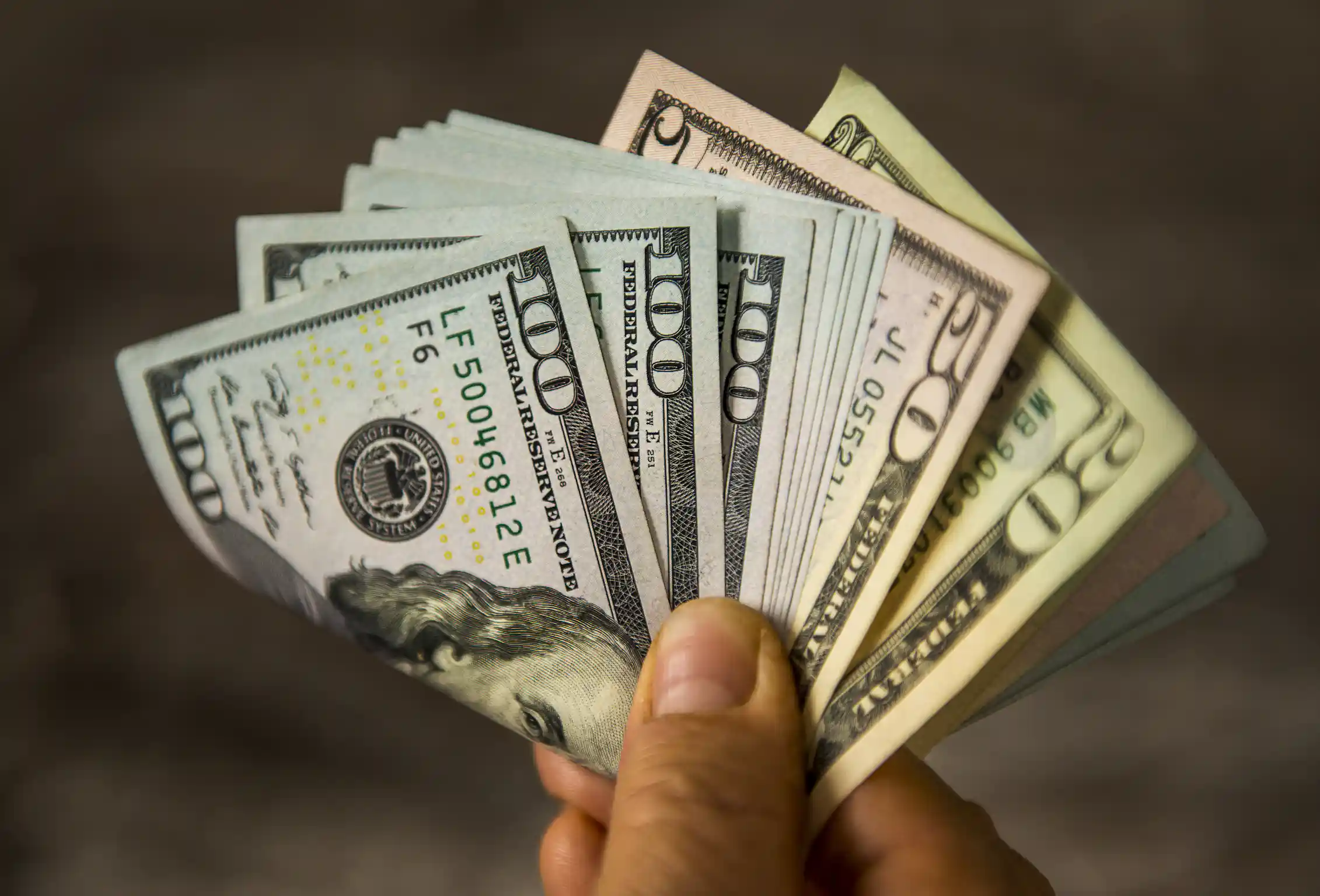
Casinos and racetracks already require cash. Requiring paper money for all bets forces people to physically go somewhere, take time, and think before wagering. It also makes large bets visible since the highest U.S. bill is $100.
“The dealer always wants paper money before sliding over chips.”
Big cash transactions get reported
Any cash transaction of $10,000 or more must be reported with a Currency Transaction Report. This automatic reporting by banks and casinos makes large bets traceable and harder to hide.
Holding cash makes people think twice
Once you're holding your hard-earned cash in your hand, it's harder to squander on wagers. Handing over physical money feels different than tapping a screen, creating a moment to reconsider.
Allow limited account pre-loading

To get gambling companies onboard, allow people to pre-fund accounts with limited weekly cash amounts at stores or kiosks. Loading someone else's account or exceeding the weekly limit would be illegal.
Cash betting won't solve everything
Requiring cash won't eliminate gambling problems, but it would prevent soldiers from betting on their own operations, make it harder for police chiefs to hide bets, and force celebrities to publicly load accounts.
The short version
Making people bet with cash instead of digital payments creates friction that forces them to pause and think before wagering, while also making large bets visible and harder to hide.





