From The Conversation · Chris Vagasky · · 2m
Why lightning delays save lives at games
Lightning can strike miles away from storms. Here's why sports officials stop games even when skies look clear.
In brief
Lightning can strike miles away from storms. Here's why sports officials stop games even when skies look clear. Lightning delays are annoying but necessary. Most lightning injuries happen before rain starts or after it ends, when people think they're safe. Originally reported by The Conversation.
Fans rage over delays with blue skies
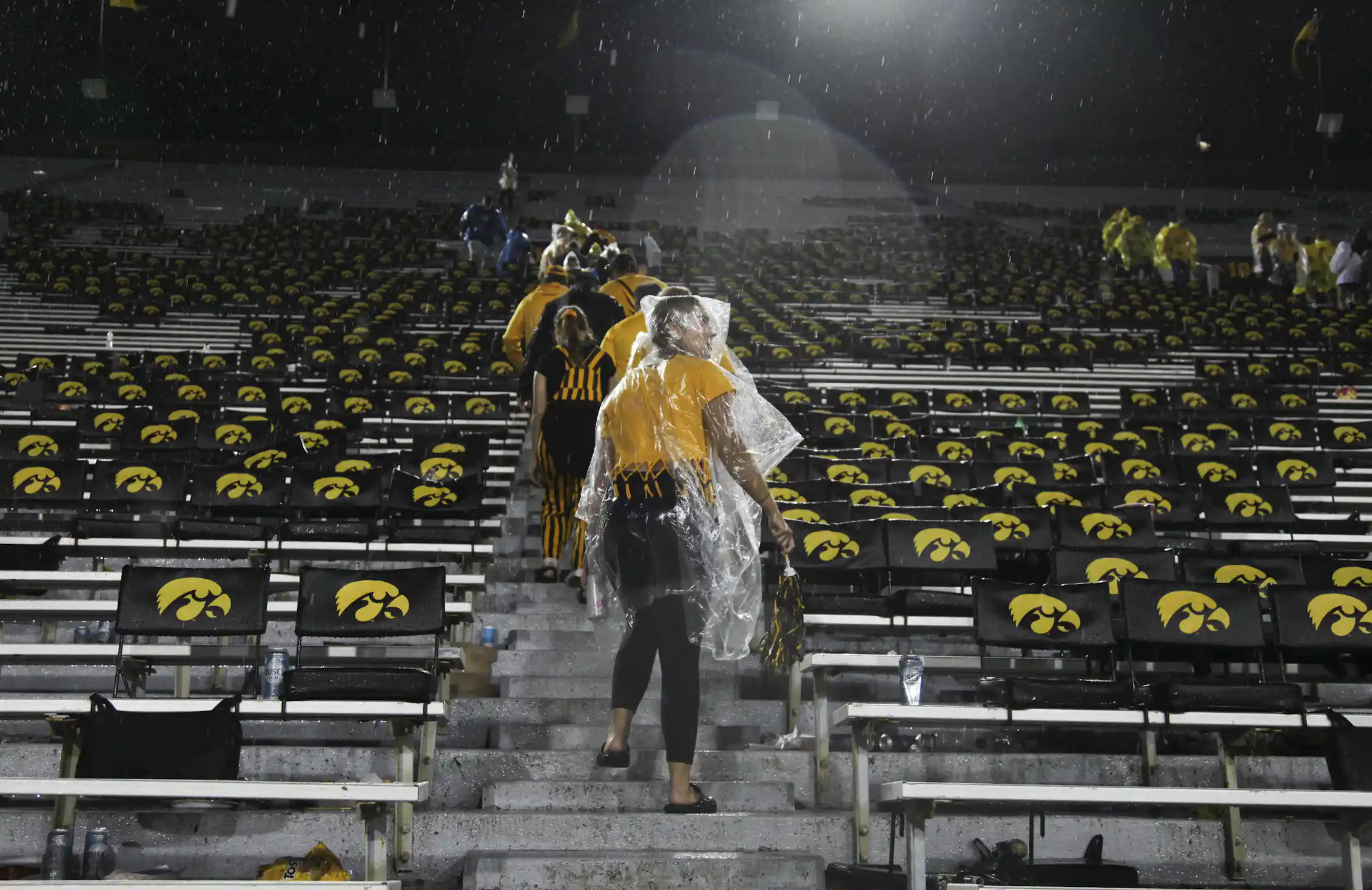
On September 19, 2026, lightning forced delays in four college football games including Florida State at Alabama. Fans complained loudly on social media, especially since Bryant-Denny Stadium had no rain at the time.
262 football deaths and injuries since 1970
A meteorologist documented 262 lightning-related deaths and injuries in U.S. football between 1970 and 2023. In 2004, about 40 high school players and coaches were injured when lightning struck during sprints in Grapeland, Texas.
Lightning can strike 8 miles away
Lightning can travel 8 or more miles from a thunderstorm, sometimes appearing from a clear sky. NCAA safety rules require game delays when lightning is detected within that distance, even if no rain is falling.
Metal seats and ground current pose risks
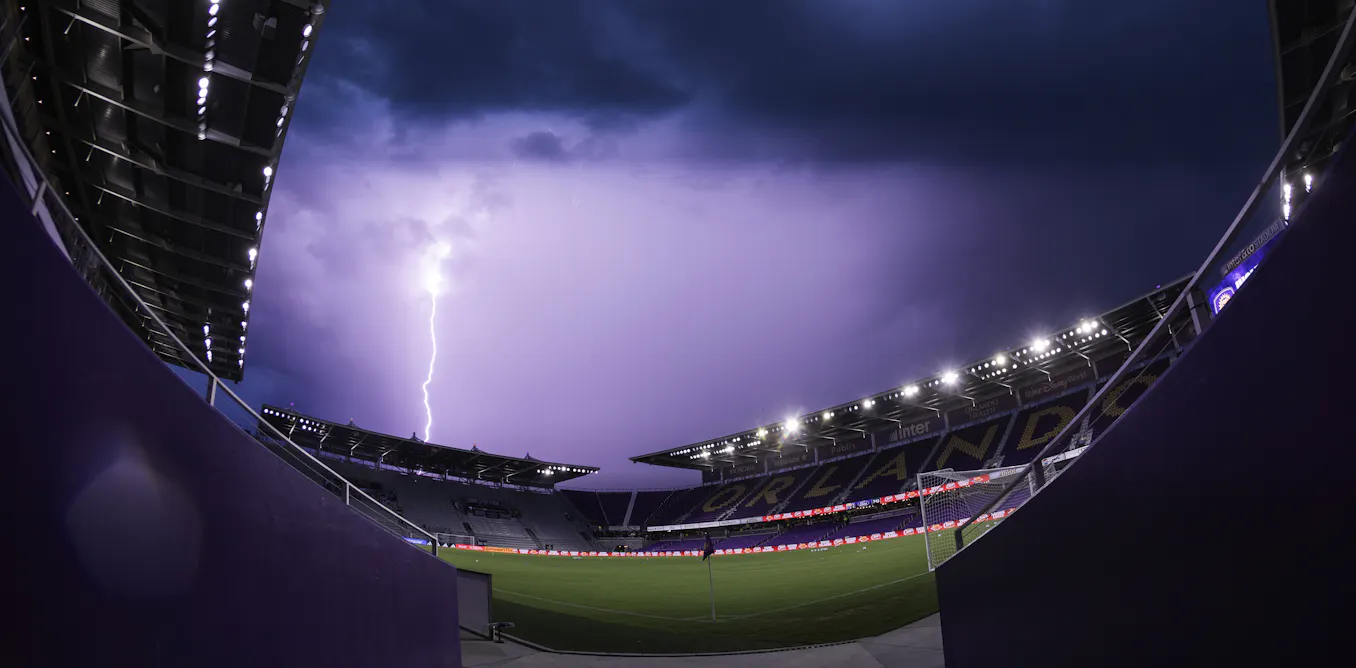
Large stadiums are especially vulnerable because lightning striking metal bleachers could send electricity through seats, injuring dozens of fans. A strike to the turf could send ground current across the field, hitting players and officials.
The 30-minute waiting rule explained
After the last lightning flash is detected within 8 miles, officials wait 30 minutes before resuming play. Electric charge can linger in clouds after a storm passes, so the delay lets the threat subside. Each new flash resets the timer.
Rain is a poor lightning indicator
Most lightning injuries happen before rain starts or after it ends, when people think they're safe. This is why delays occur in clear skies. A 2018 study found half of lightning delays in college and NFL games happened mid-game, usually lasting under 90 minutes.
Earlier season start increases lightning risk
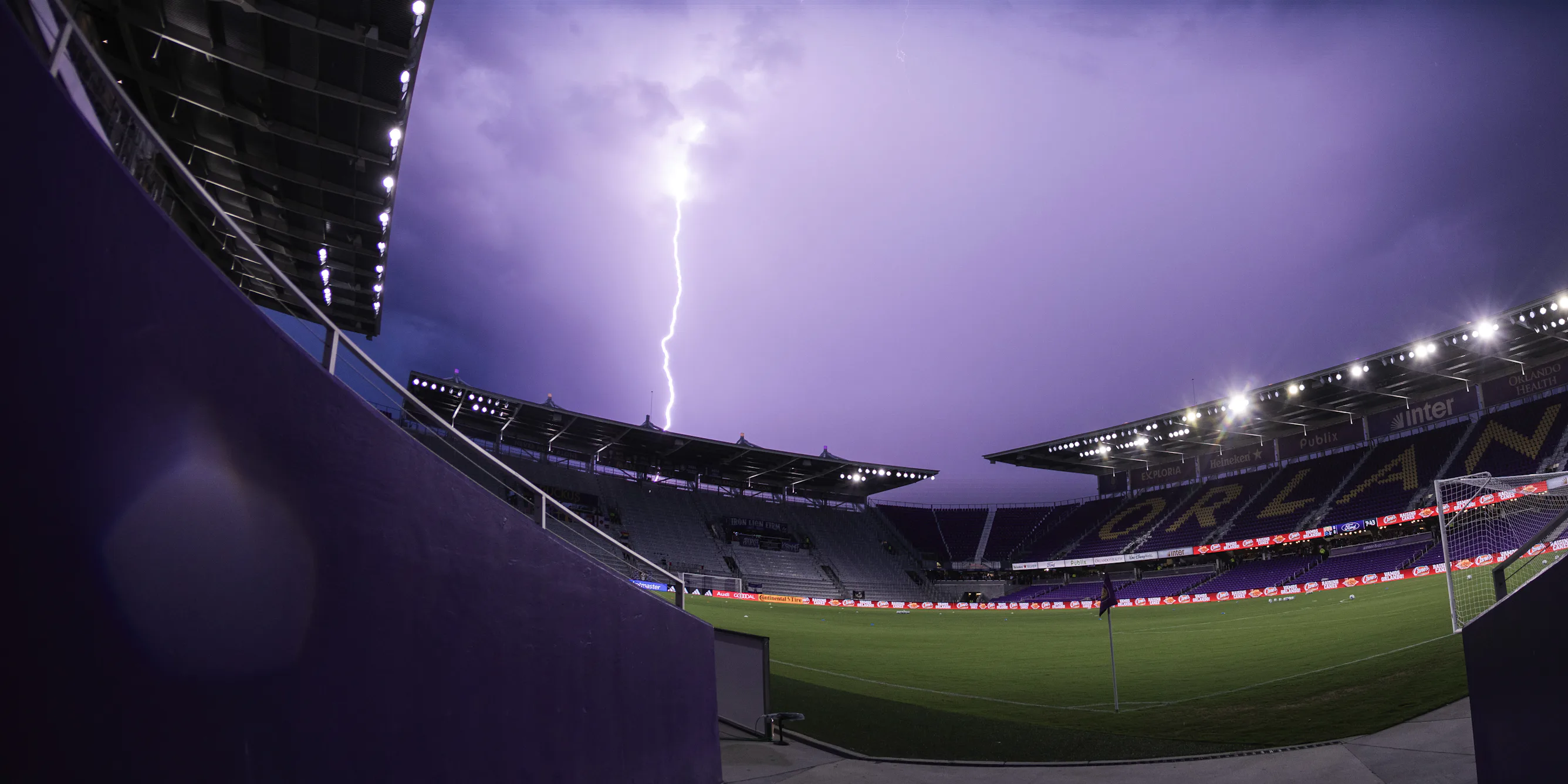
The NCAA is considering moving the college football season start a week earlier starting in 2027. This would mean more games during peak late summer and early fall lightning season, further increasing the risk of delays and injuries.
A game can resume, but injuries last forever
While lightning delays are frustrating, they're worth the inconvenience. Games can always be rescheduled or resumed, but lightning injuries can cause permanent damage or death. Even ESPN analyst Lee Corso's car was struck by lightning before a 2000 game.
“A game can always resume, but lightning injuries can last forever.”
At a glance
Lightning delays are annoying but necessary. Most lightning injuries happen before rain starts or after it ends, when people think they're safe.