From The Conversation · Michele Patterson Ford · · 1m
Why survivors’ stories shift after assault
Survivors’ changing stories don’t mean lying, they’re coping with trauma.
In brief
Survivors’ changing stories don’t mean lying, they’re coping with trauma. Rape survivors often describe experiences as 'bad sex' or 'miscommunication' due to acute stress, not dishonesty. Originally reported by The Conversation.
Survivors’ stories shift
A majority of rape survivors don’t immediately recognize what they experienced as rape.
Jane Doe’s story
Jane Doe, a former Cornell University student, initially described events as non-assault but later identified them as gang rape.
Why stories change

Survivors often describe experiences as 'bad sex' or 'miscommunication' due to trauma’s immediate psychological impact.
Acute stress disorder
Survivors experience symptoms like self-blame, emotional dysregulation, and dissociation within hours of trauma.
Brain’s survival response
The brain shifts to survival mode, prioritizing immediate safety over accurate memory of events.
Self-blame and denial
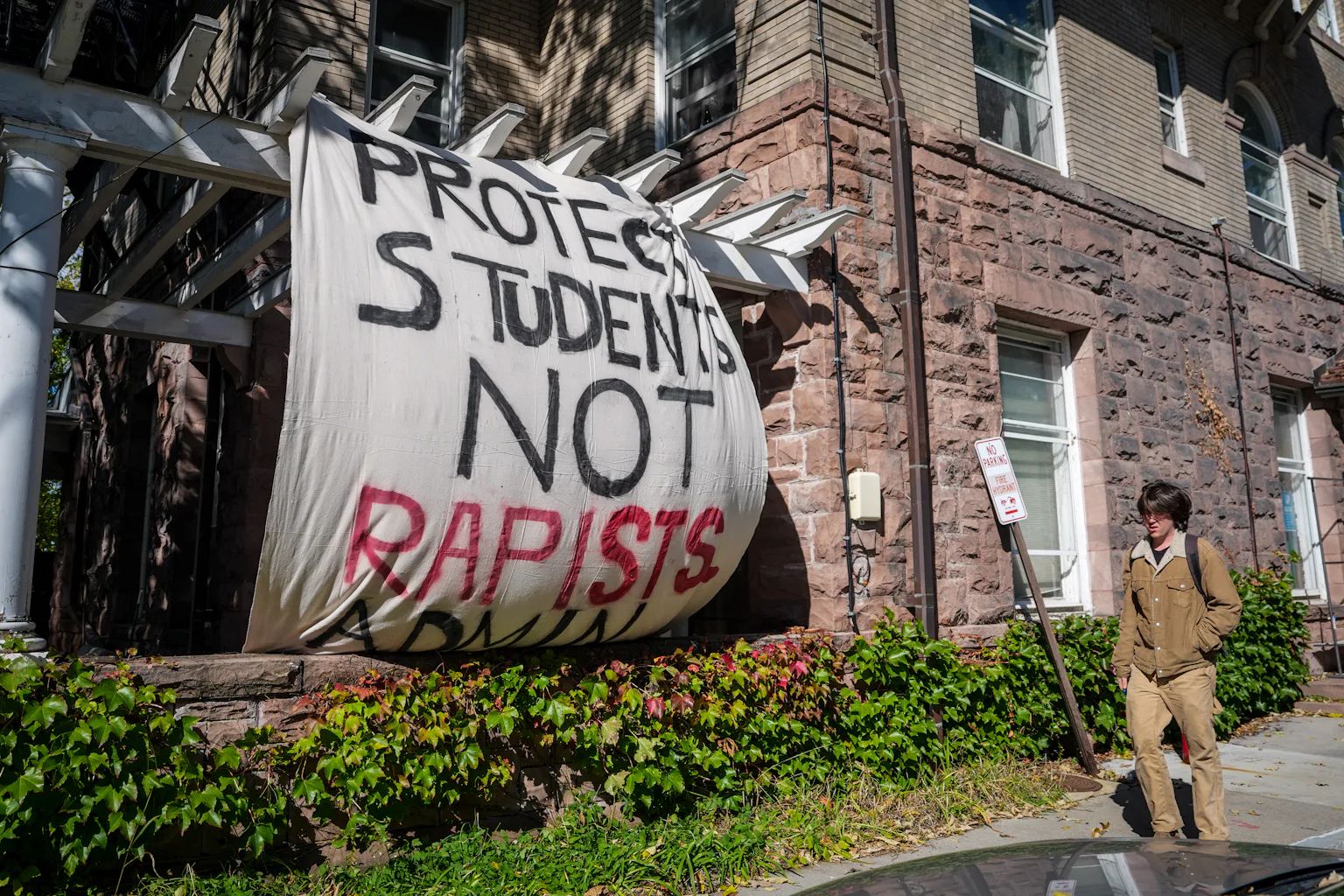
Survivors blame themselves to restore order and avoid overwhelming emotions from trauma.
What happens next
Breaking through self-preservation mechanisms takes time, not dishonesty.
The essence
Rape survivors often describe experiences as 'bad sex' or 'miscommunication' due to acute stress, not dishonesty.