From The Conversation · Elizabeth A. Phelps · · 2m
You remember 9/11 wrong, and that's fine
Memory researchers have tracked the same people for 25 years, and about 40% of what they recall about hearing the news does not match what they first said.
In brief
Memory researchers have tracked the same people for 25 years, and about 40% of what they recall about hearing the news does not match what they first said. Confidence in a memory is not proof of accuracy, but the story you tell still does real work: it binds you to a community. Originally reported by The Conversation.
Forty percent wrong
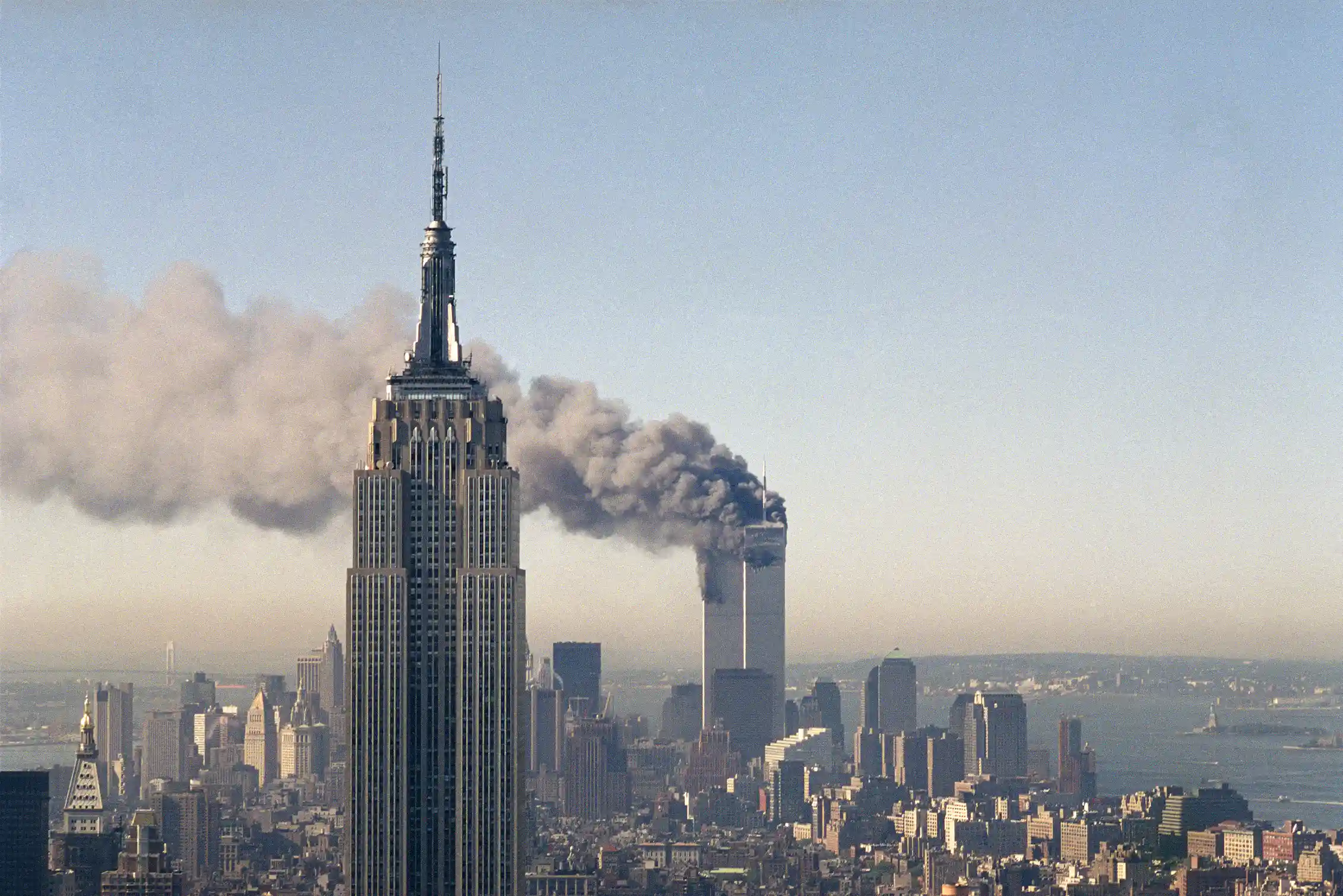
However you first heard about the September 11 attacks, researchers who have tracked this for 25 years say roughly 40% of the details you recall are probably off.
“No matter how you answer, our research suggests you may have around 40% of the details wrong.”
What a flashbulb memory is
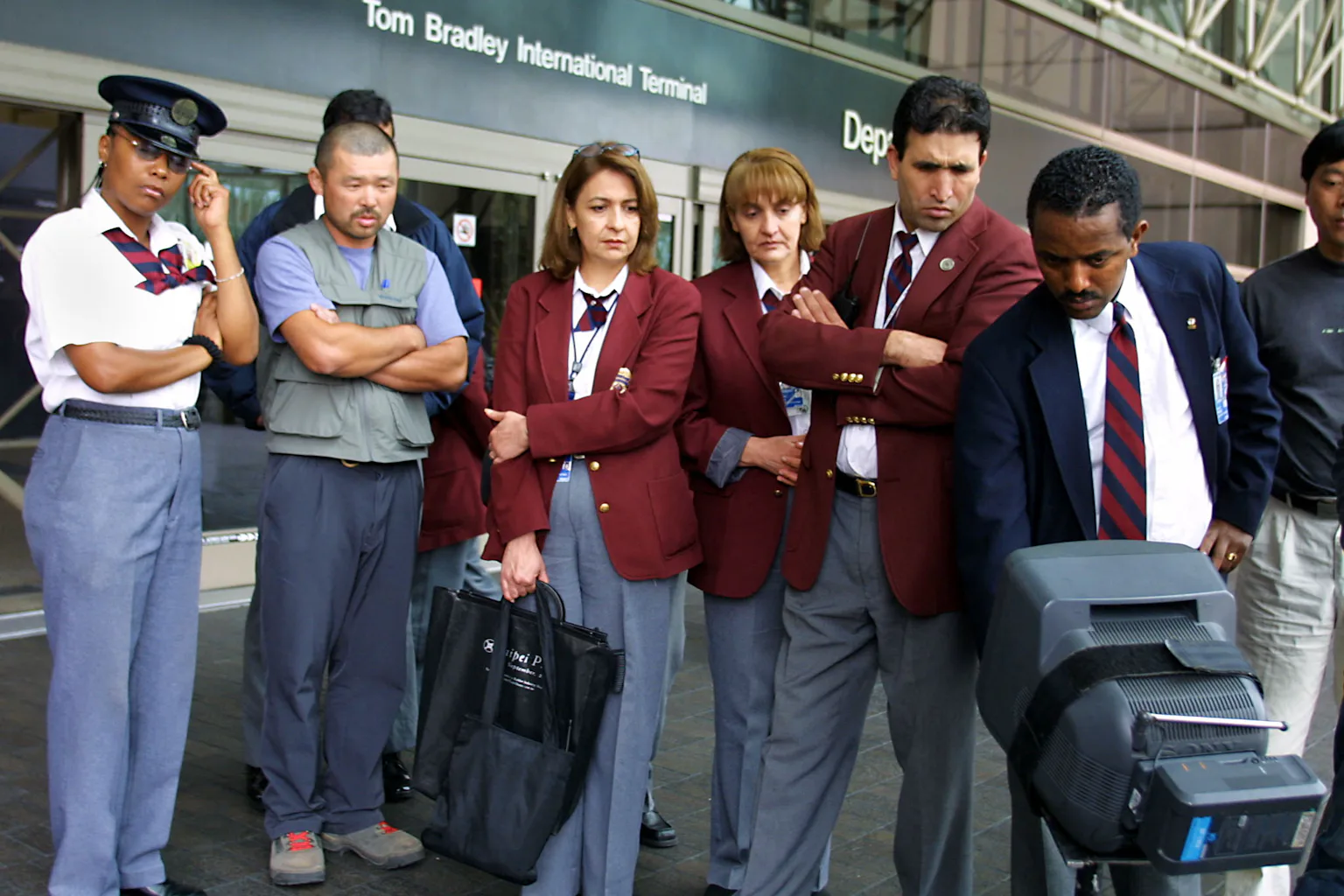
Psychologists use the term for memories of the circumstances of learning news, not the news itself. Most events do not get one. JFK's assassination did.
The study started immediately
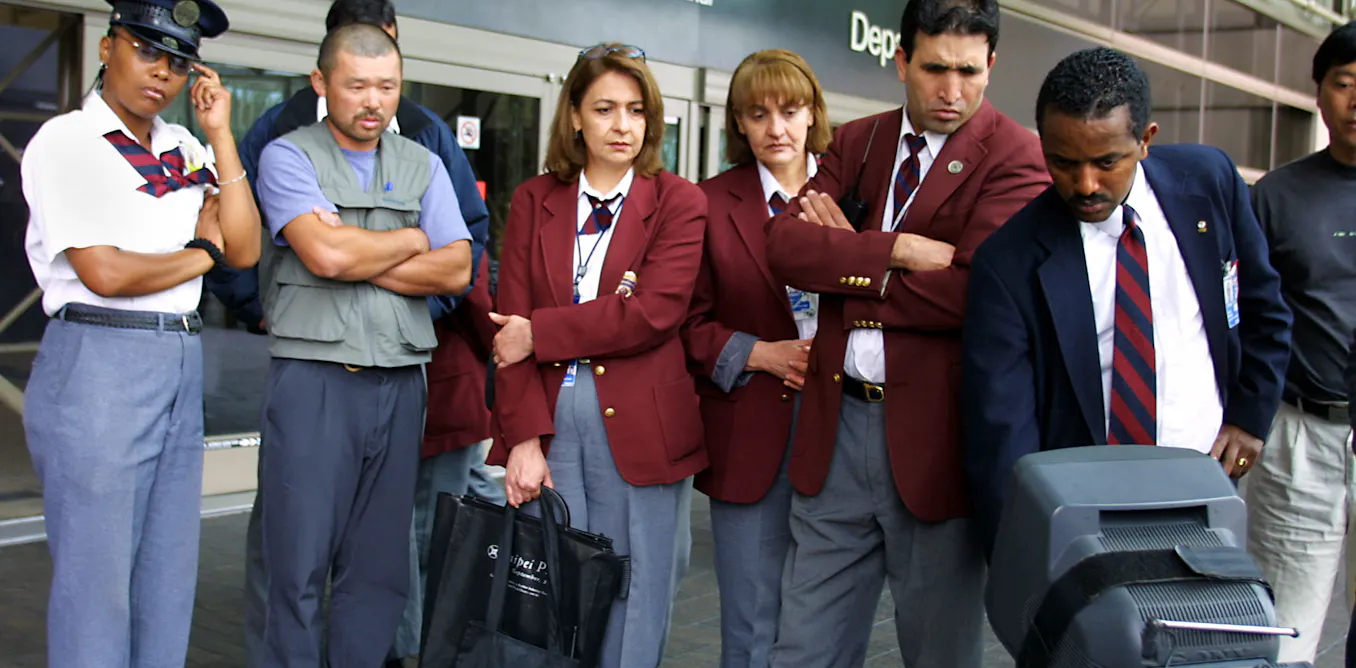
In the days after the attacks, a few thousand Americans described where they were, who they were with, what they were doing and how they felt. They also rated their confidence.
Checked at one, three, ten years
After just one year, about 40% of the details no longer matched the first account. People were still extremely confident they had it right.
Wrong, then frozen
One man said he was at work, then a year later said he was on a train. Another woman swapped her husband for her son. Whatever they said at one year stuck for good.
“What most people reported after one year, even if the memory was in error, remained their memory.”
Memory is a rebuild
Recall reconstructs the past rather than replaying an archive, and there are windows when memories are open to change. The strange part is how hard people find this to accept.
“Memory is a reconstruction of past events, not a stable archive.”
Why confidence misleads here
Emotional events sharpen a few details while blurring many others, and retelling the story to other people who nod along pushes confidence higher still.
Memories that pick a side
In a 1970s survey, 75% of Black Americans had a flashbulb memory of Martin Luther King Jr.'s assassination versus 32% of white Americans. Most Britons have one for Princess Diana. Most Italians do not.
The story is the point
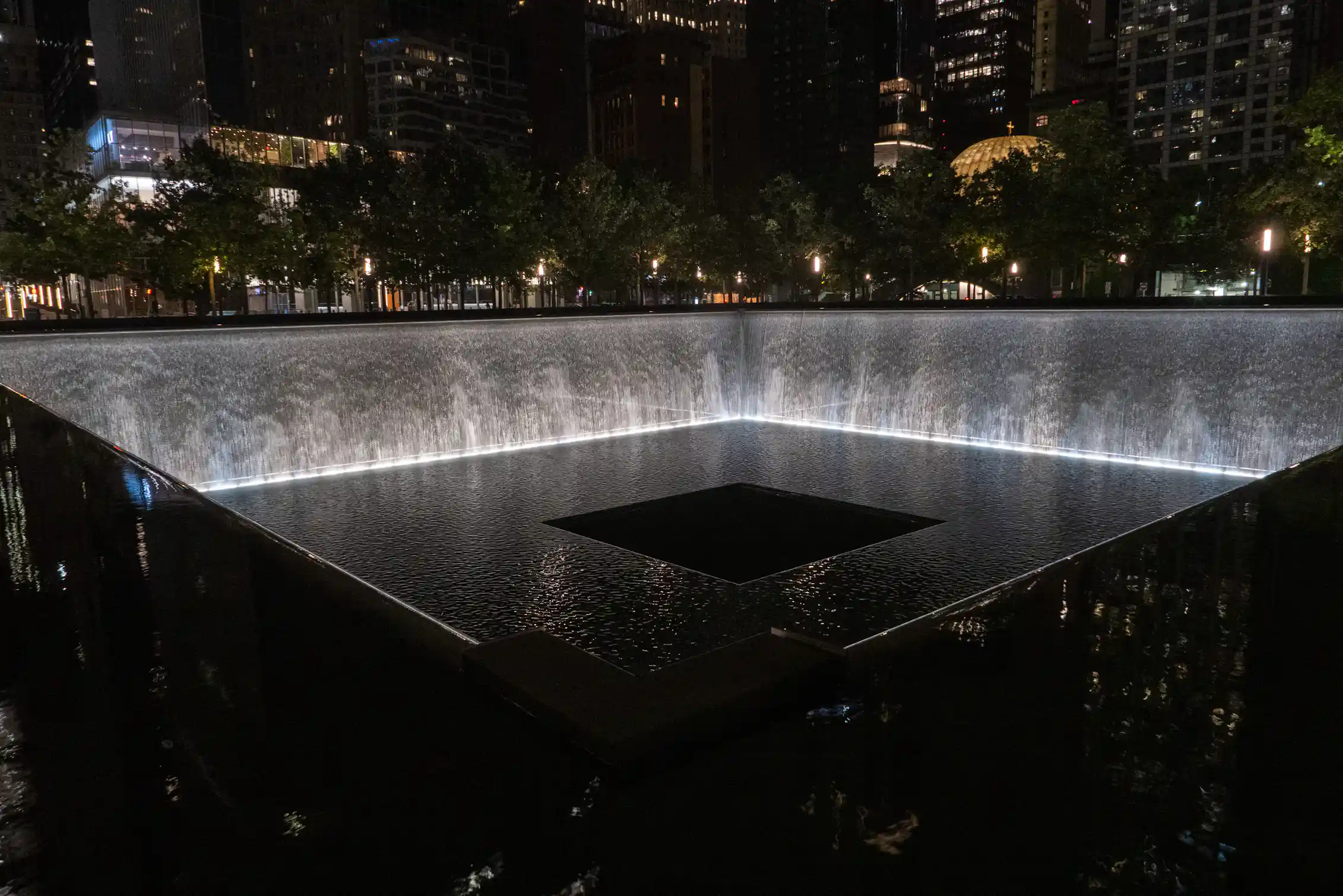
People judge someone who lost their 9/11 memory as less American than someone who forgot the attack itself. Telling it wrong still affirms that you belong.
“You are providing a narrative that binds you with other Americans.”
The big picture
Confidence in a memory is not proof of accuracy, but the story you tell still does real work: it binds you to a community.





