From The Conversation · George Grispos · · 2m
Your robot vacuum is watching. The law isn't ready.
Home robots generate evidence continuously, but courts and lawmakers haven't caught up with the legal and privacy questions they raise.
In brief
Home robots generate evidence continuously, but courts and lawmakers haven't caught up with the legal and privacy questions they raise. Robot vacuums and other connected home devices collect intimate data that can be used as evidence in court, but there's no clear legal framework governing consent, admissibility, or…
A vacuum becomes evidence
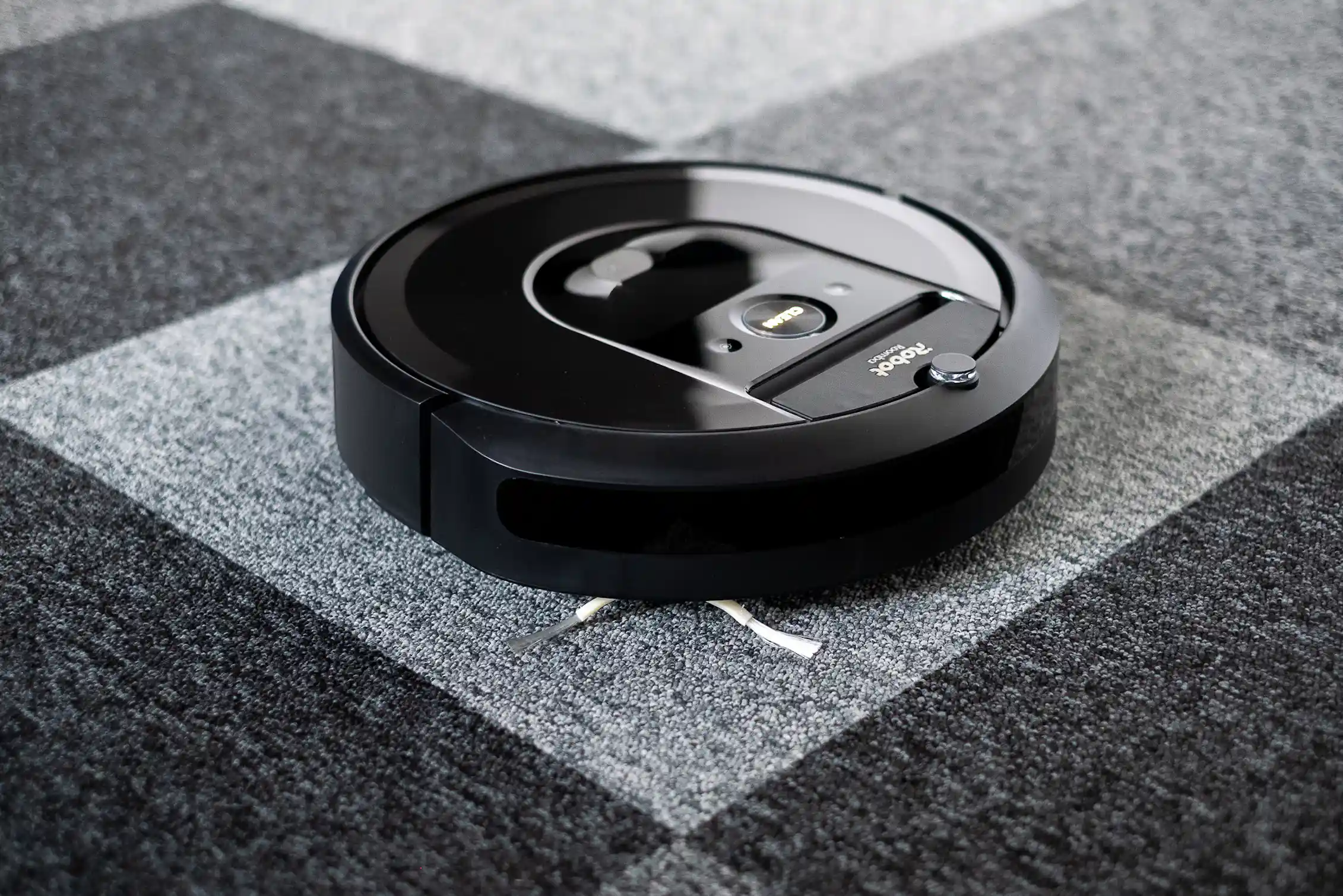
A Taiwanese husband used his robot vacuum's live camera to catch his wife with another man, then recorded the feed. He won money but was jailed for recording without consent.
Devices are mobile sensors
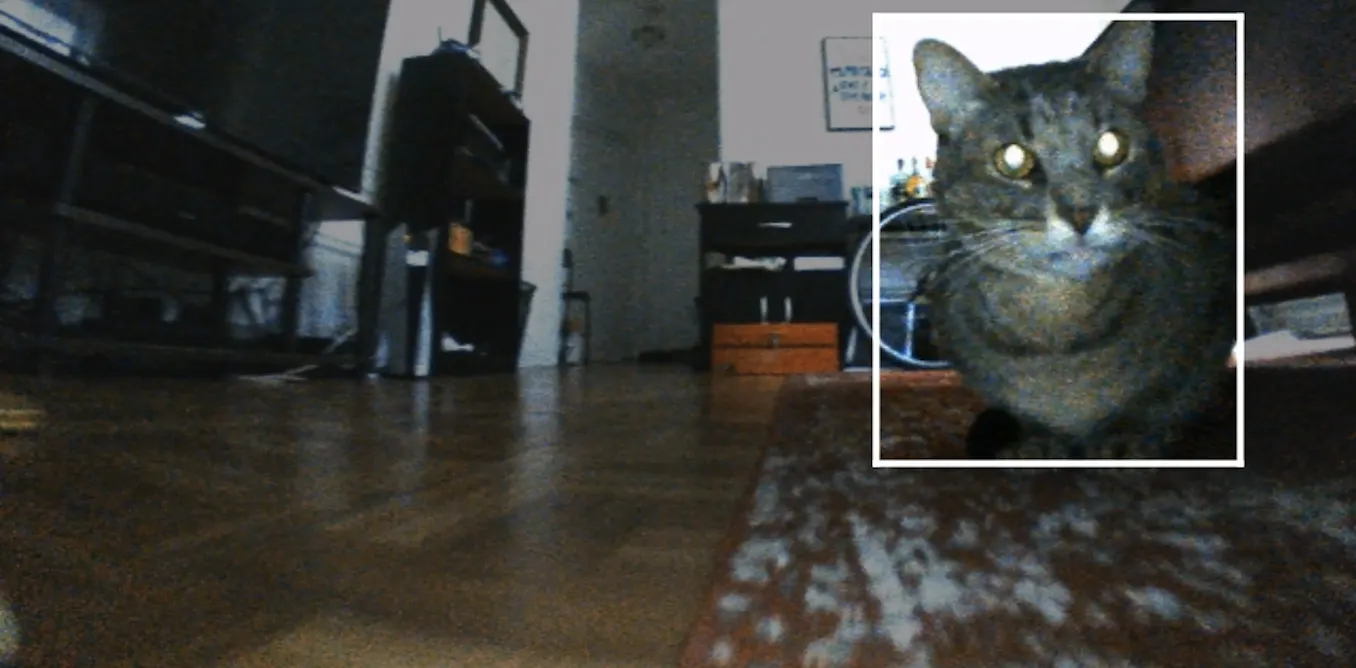
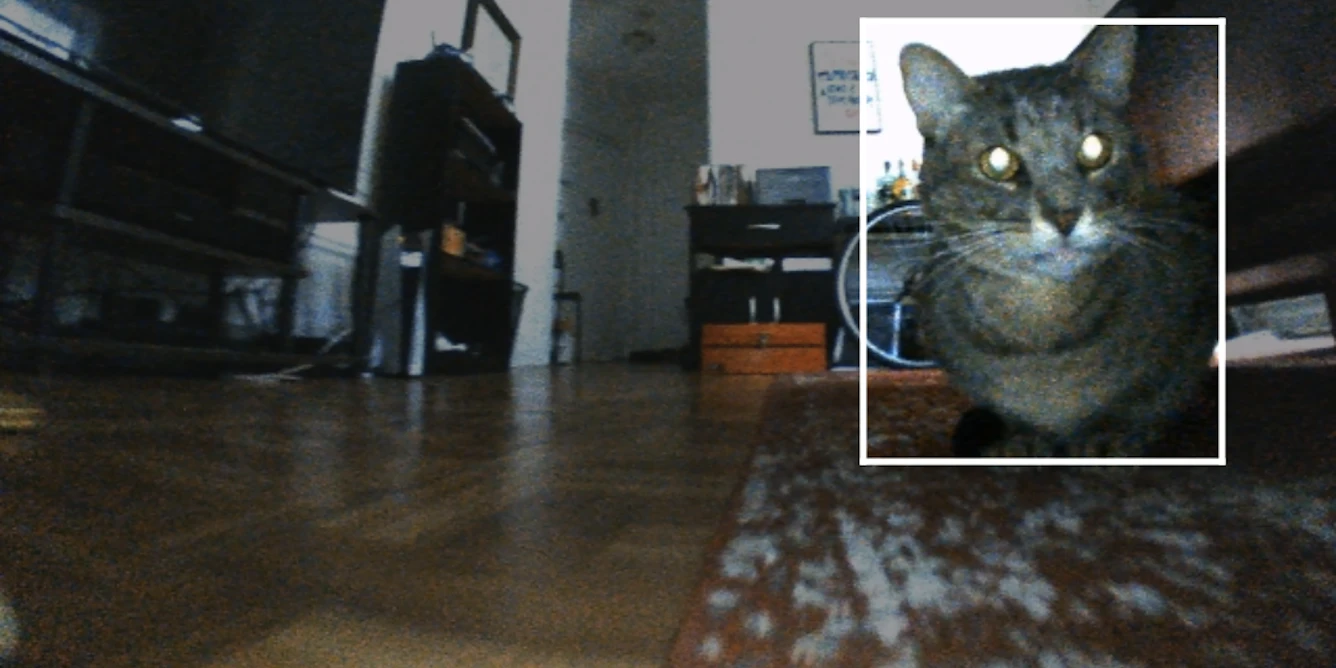
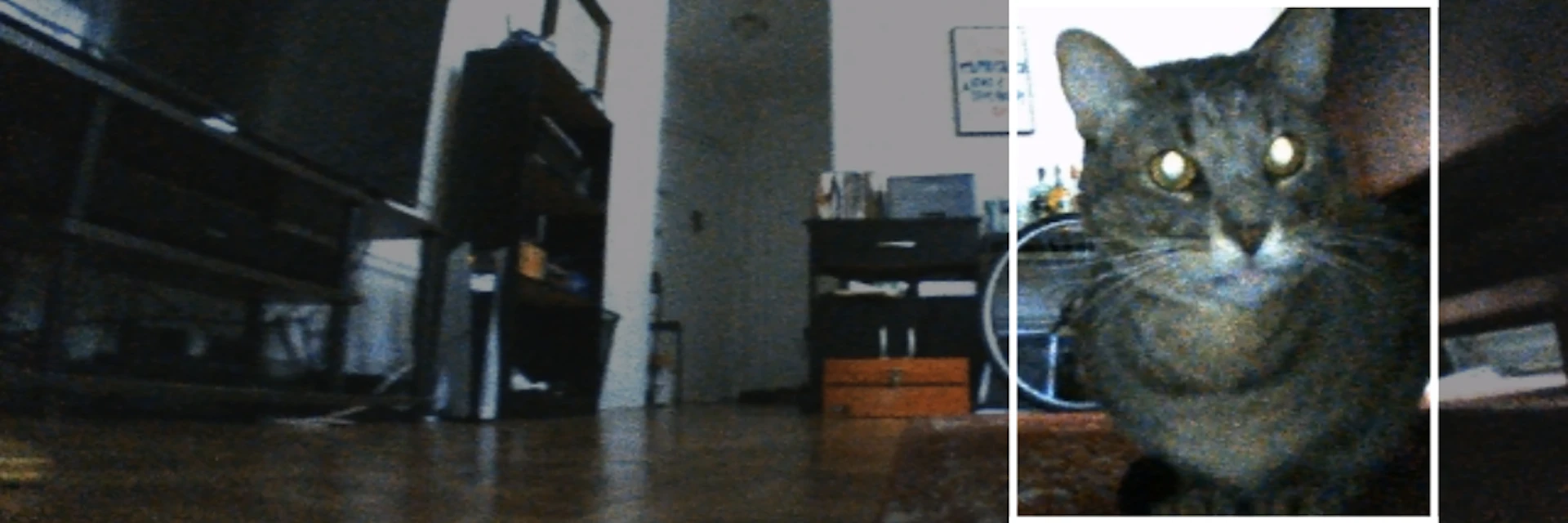
Modern robot vacuums combine cameras, microphones, laser navigation and remote video access. They create detailed floor maps and send data to manufacturers' servers.
Private data leaks happen easily
In 2022, MIT Technology Review found that iRobot shared Roomba images with contractors, including a woman on a toilet. No hacking was needed; the leak came from normal software training pipelines.
“Test-household images had gone to a data-labeling contractor, where workers posted them in private social media groups.”
Courts are already using this data
An Amazon Echo recording helped prosecutors in Arkansas, a Fitbit timeline convicted a man in Connecticut, and a pacemaker challenged a defendant's account in Ohio.
“Household data can convict, exonerate or mislead.”
Consent is unclear
The Taiwanese wife argued that small indicator lights gave no meaningful warning. Guests, children, workers and estranged spouses may never see privacy policies.
The Fourth Amendment doesn't help
The constitutional exclusionary rule only restrains government, not private parties. Evidence wrongfully obtained by a private person can still be admitted in court.
Sound has rules, video doesn't
The federal Wiretap Act of 1968 excludes illegally intercepted audio and imposes criminal liability. But camera-only recording falls outside that protection, leaving state laws to decide.
Device data is unreliable
Consumer devices were designed to clean, not withstand cross-examination. Timestamps, firmware changes and retention policies complicate interpretation.
Manufacturers should disclose more
At the point of sale, companies should tell buyers what a device records, where data goes and how long it persists. Federal regulators already urge clear disclosures.
Congress needs to act
Legislatures should address intimate surveillance directly to prevent the current patchwork of laws from punishing betrayed spouses, enabling abusers and guiding neither clearly.
In short
Robot vacuums and other connected home devices collect intimate data that can be used as evidence in court, but there's no clear legal framework governing consent, admissibility, or reliability.





