From The Next Web · Cristian Dina · · 2m
Europe needs its own AI champions, says Celonis CEO
Alexander Rinke argues Europe must build local companies to compete in AI, not out of distrust but to share in the economic upside.
In brief
Alexander Rinke argues Europe must build local companies to compete in AI, not out of distrust but to share in the economic upside. Celonis co-CEO Alexander Rinke says Europe needs to develop its own AI companies to participate in a huge AI economy, not because of distrust but to ensure it benefits from the…
Europe's economic gap with the US
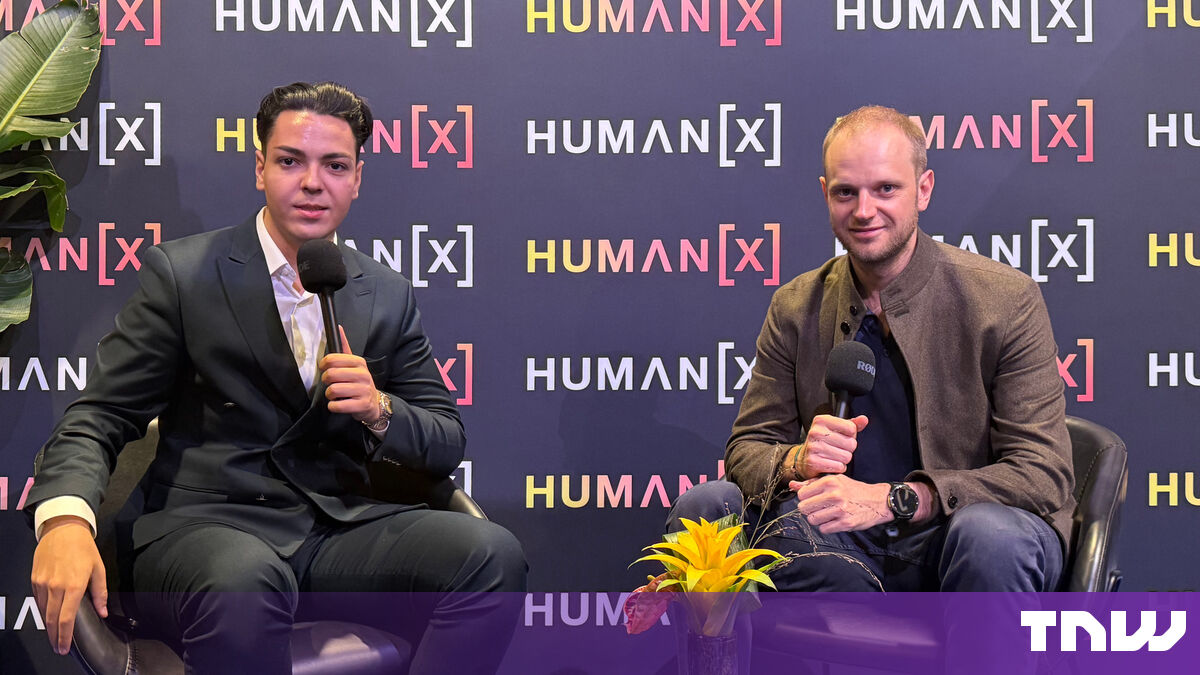
Thirty years ago Europe's GDP was roughly on par with the US. Today it is dramatically less, according to Celonis co-CEO Alexander Rinke.
Why Europe needs local AI champions
Countries want control over parts of the AI stack and need their own companies to participate in an AI economy that will be huge, Rinke said.
Not distrust, but participation
We need to foster local champions not because we don't trust Americans or think AI will kill us, but to ensure we take part of the upside, Rinke said.
“We need to really foster local champions, not because we don't trust the Americans or we think AI is going to kill us all. Just because we want to make sure we take part of the upside.”
What sovereign AI means
For a company or public agency, sovereign AI means owning its own AI model weights. Organisations don't want to give all their data to any model to train on.
“They don't want to give all of their data to any model to train on that data.”
How Celonis started
Alexander Rinke started Celonis fifteen years ago with co-founders Martin Klenk and Bastian Nominacher. They built an x-ray machine that looks at business data to show how processes work.
“So we built an x-ray machine that looks at the data the business generates and x-rays how the processes work.”
Celonis acquires Ikigai Labs
Celonis recently bought Ikigai Labs, an MIT spin-off that builds specialised models for tabular and time-series data and for what-if simulation. The company now has about three thousand five hundred people.
Testing for real product-market fit
Many startups claim product-market fit they don't have, Rinke said. His test asks four questions: is it valuable, uniquely valuable, repeatable, and will customers keep paying for it.
“It's easy to say that you have. It's very easy to put on a slide for VCs.”
Build for customers, not capital
Venture capital helps companies move quickly, but it doesn't replace the work a bootstrapped company must do. Build the company for customers, not to raise capital, Rinke said.
“You shouldn't build the company to raise capital. You should build the company for customers.”
The takeaway
Celonis co-CEO Alexander Rinke says Europe needs to develop its own AI companies to participate in a huge AI economy, not because of distrust but to ensure it benefits from the technology.


