From The Rio Times · Amina Diarra · · 3m
Eritrea Explained 2026
Eritrea: a Red Sea country with no national elections since 1993, strategic geography, and limited transparency.
In brief
Eritrea: a Red Sea country with no national elections since 1993, strategic geography, and limited transparency. Eritrea remains a one-party state led by President Isaias Afwerki since 1993 with no national elections, independent media, or competitive political system. Originally reported by The Rio Times.
Key Facts
Eritrea is a Red Sea country with its capital at Asmara and a coastline from the Dahlak Archipelago to Djibouti.
Why It Matters
Eritrea sits along shipping routes connecting the Suez Canal, the Red Sea, the Gulf of Aden and the Indian Ocean.
The Catch
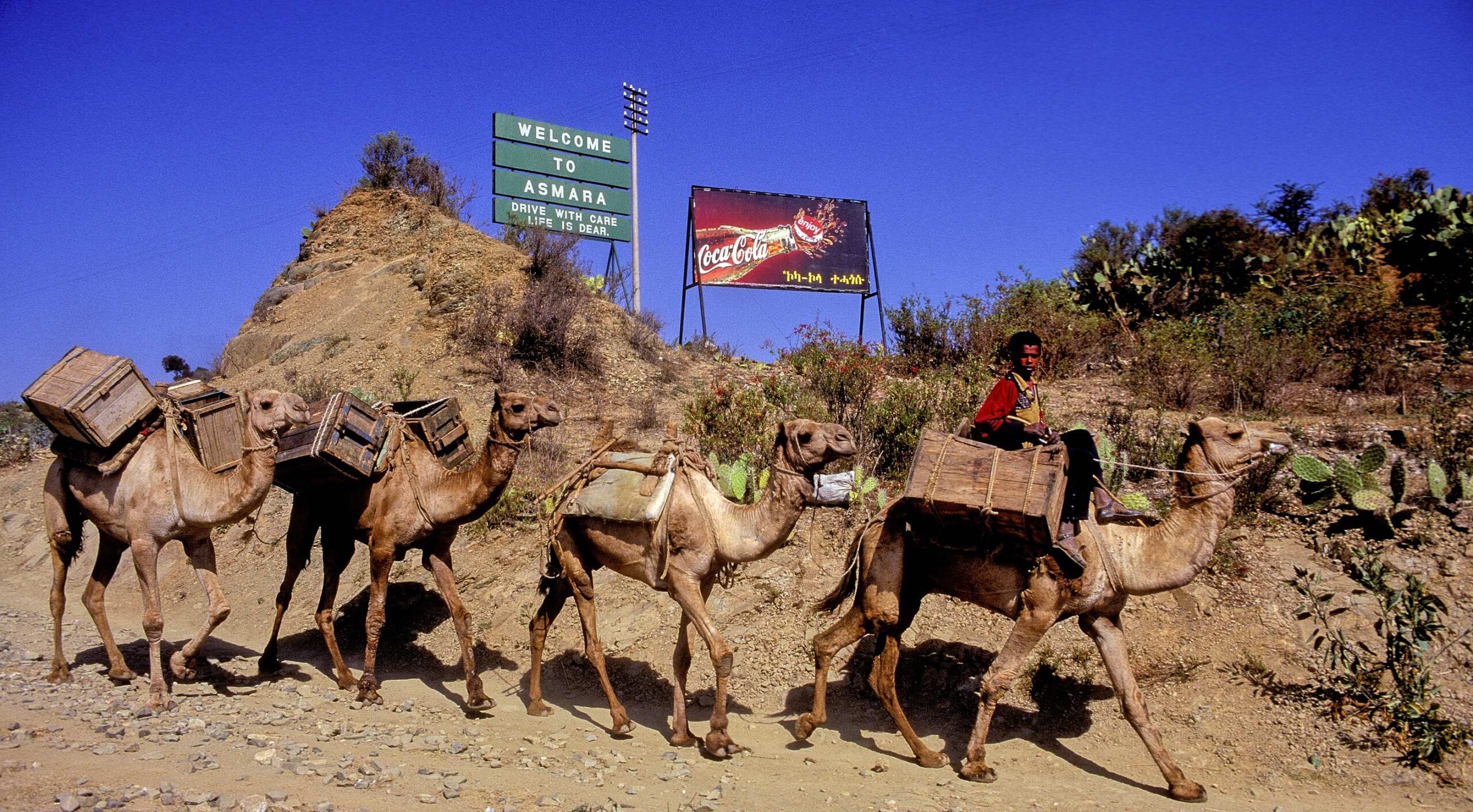
Eritrea is a one-party state led by President Isaias Afwerki since 1993 with no national parliamentary elections since independence and no independent media since 2001.
Who Is Who
President Isaias Afwerki is head of state and government; Foreign Minister Osman Saleh Mohammed and Trade and Industry Minister Nesredin Mohammed Saleh were confirmed in official Eritrean reporting in September and October 2026.
What It Means for You
Foreigners need a tourist visa, must exchange currency through official Himbol offices or authorized banks, and require a travel permit to move outside Asmara.
Political System
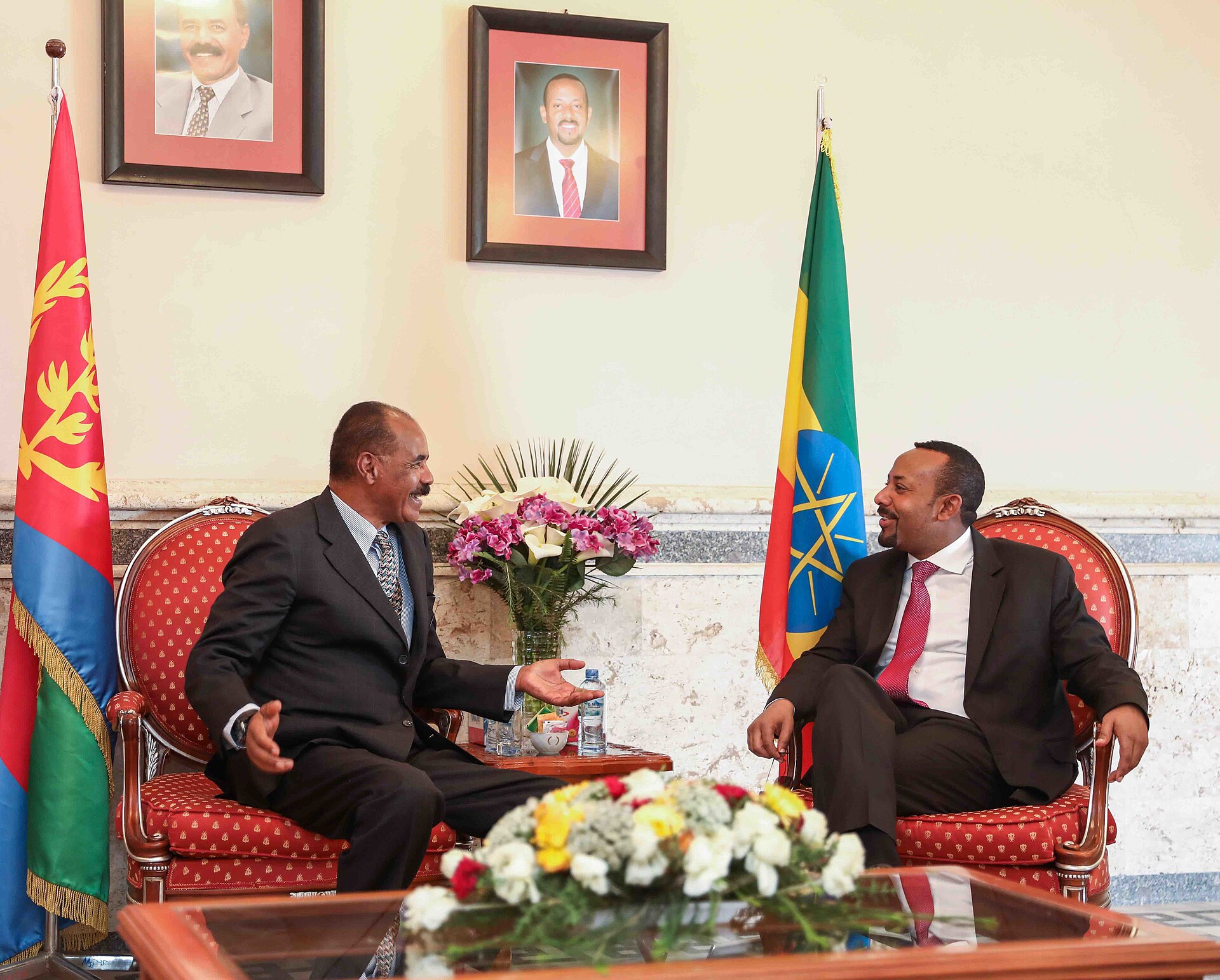
Eritrea is a highly centralized one-party state with the People's Front for Democracy and Justice as the only legally recognized political party.
Geography and Strategic Position
Eritrea occupies the southern Red Sea coast of northeast Africa, bordering Sudan to the west, Ethiopia to the south, Djibouti to the southeast, and the Red Sea to the east.
People, Languages and Religion
Eritrea is culturally diverse with Tigrinya, Arabic, and English as the principal working languages of government, education, and public administration.
The Economy
Eritrea has a small, state-dominated economy with severe data limitations and no reliable current GDP figures.
Currency and Debt
The national currency is the nakfa (ERN) with an official exchange rate of approximately ERN 15 to US$1, and public debt at 164% of GDP in 2022.
National Service
Eritrea's open-ended national service system affects career planning, family formation, household income, education choices, and migration decisions.
Foreign Policy
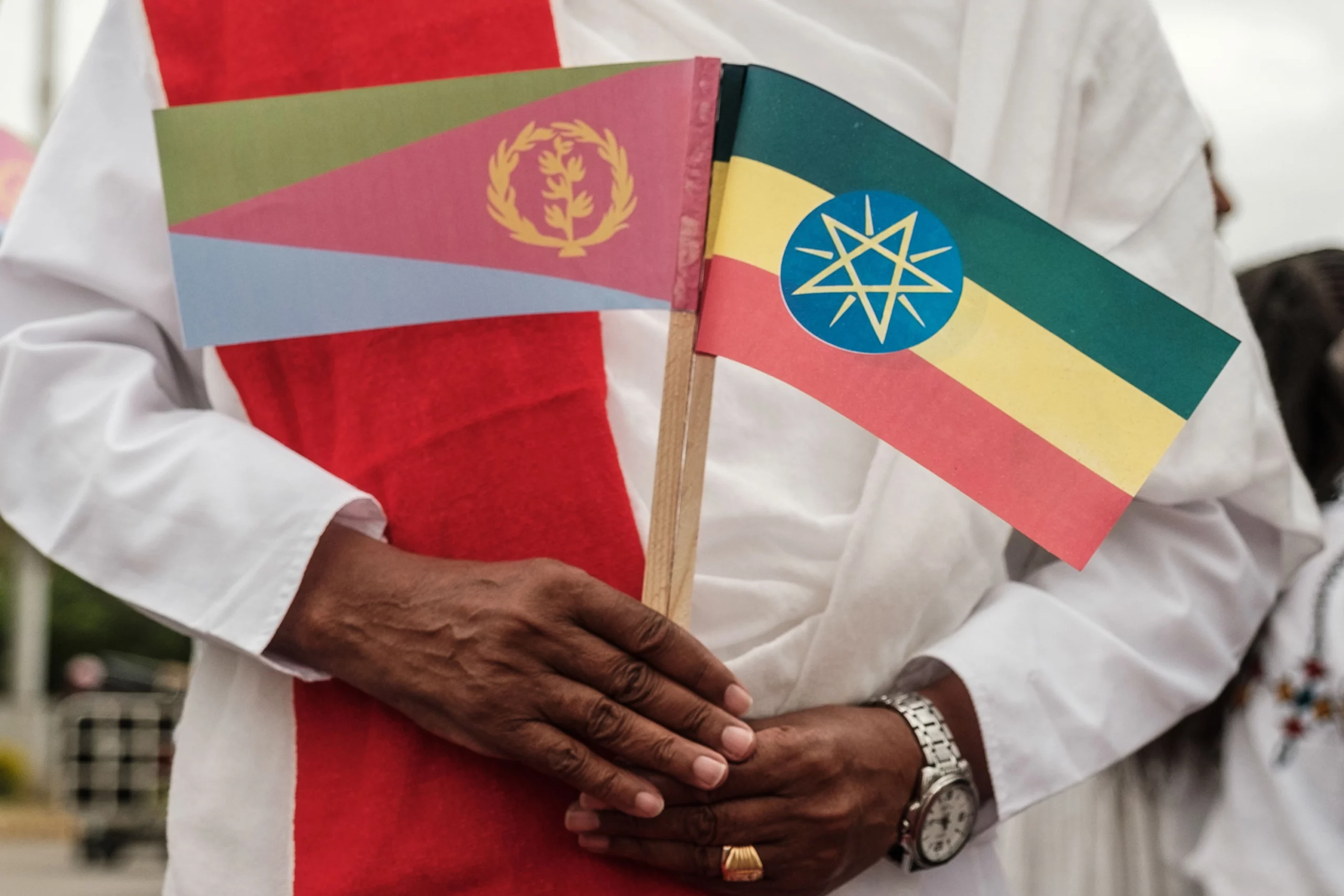
Eritrea's relations with Ethiopia remain central, having fought a border war from 1998 to 2000 and cooling significantly by early 2025.
What to Watch
Whether competitive national elections will ever be scheduled, the indefinite national service system will be reformed, and economic data transparency will improve.
Open Questions
Eritrea's political system remains a one-party state with no national elections since 1993, limited economic transparency, and open-ended national service.
The Big Picture
Eritrea's strategic Red Sea position and one-party state structure make it a key player in regional trade and security dynamics.
The takeaway
Eritrea remains a one-party state led by President Isaias Afwerki since 1993 with no national elections, independent media, or competitive political system.





