From The Rio Times · Contributing Reporter · · 1m 30s
Fer De Lance Snake Safety Guide
Costa Rica's most dangerous snake: bite risks and survival tips.
In brief
Costa Rica's most dangerous snake: bite risks and survival tips. US visitors to Costa Rica should wear boots, avoid snake contact, and call 911 after a fer de lance bite to prevent death. Originally reported by The Rio Times.
What the Fer De Lance Snake Is
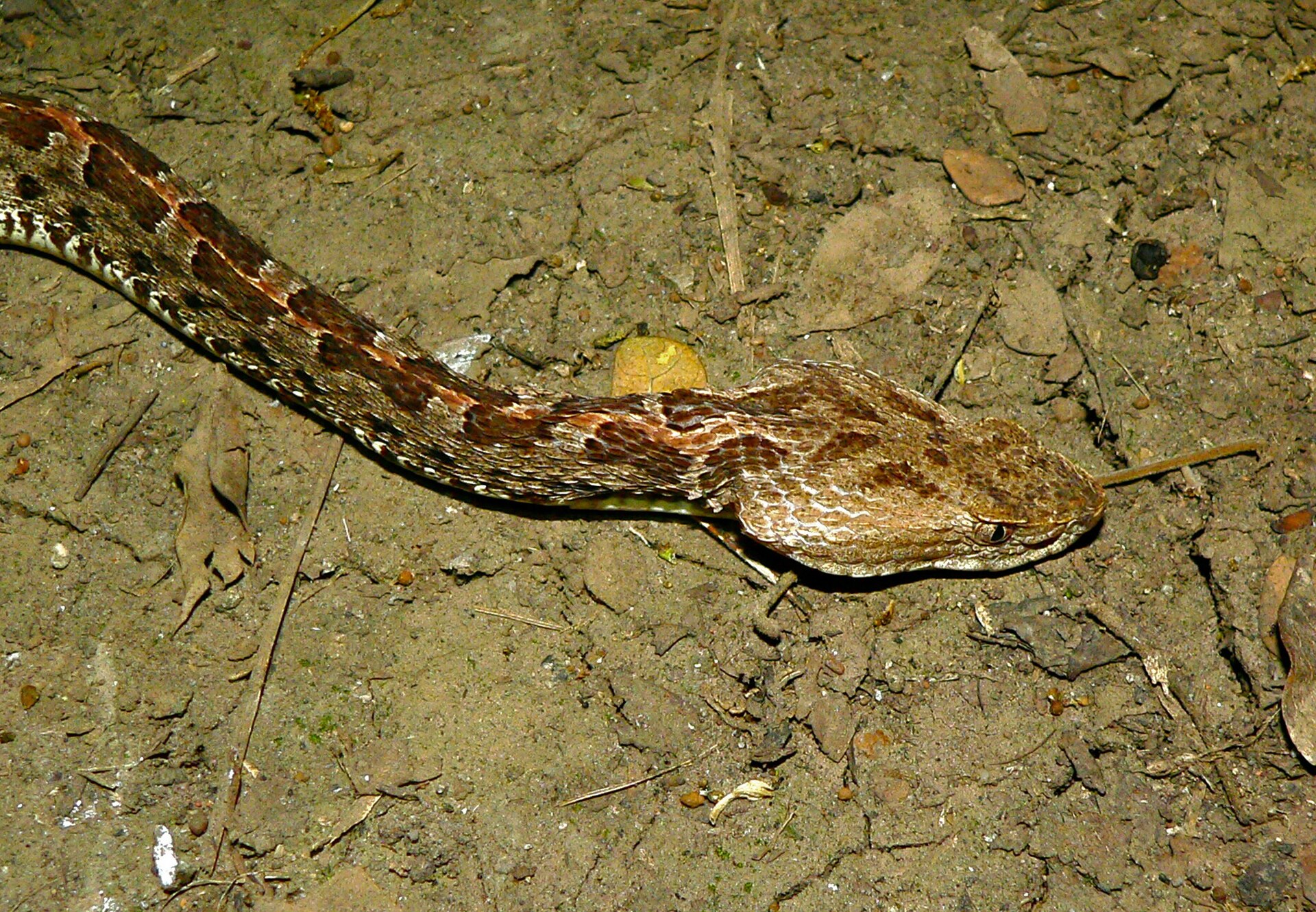
The fer de lance snake is Bothrops asper, a large pit viper Costa Ricans call terciopelo.
How to Recognize It
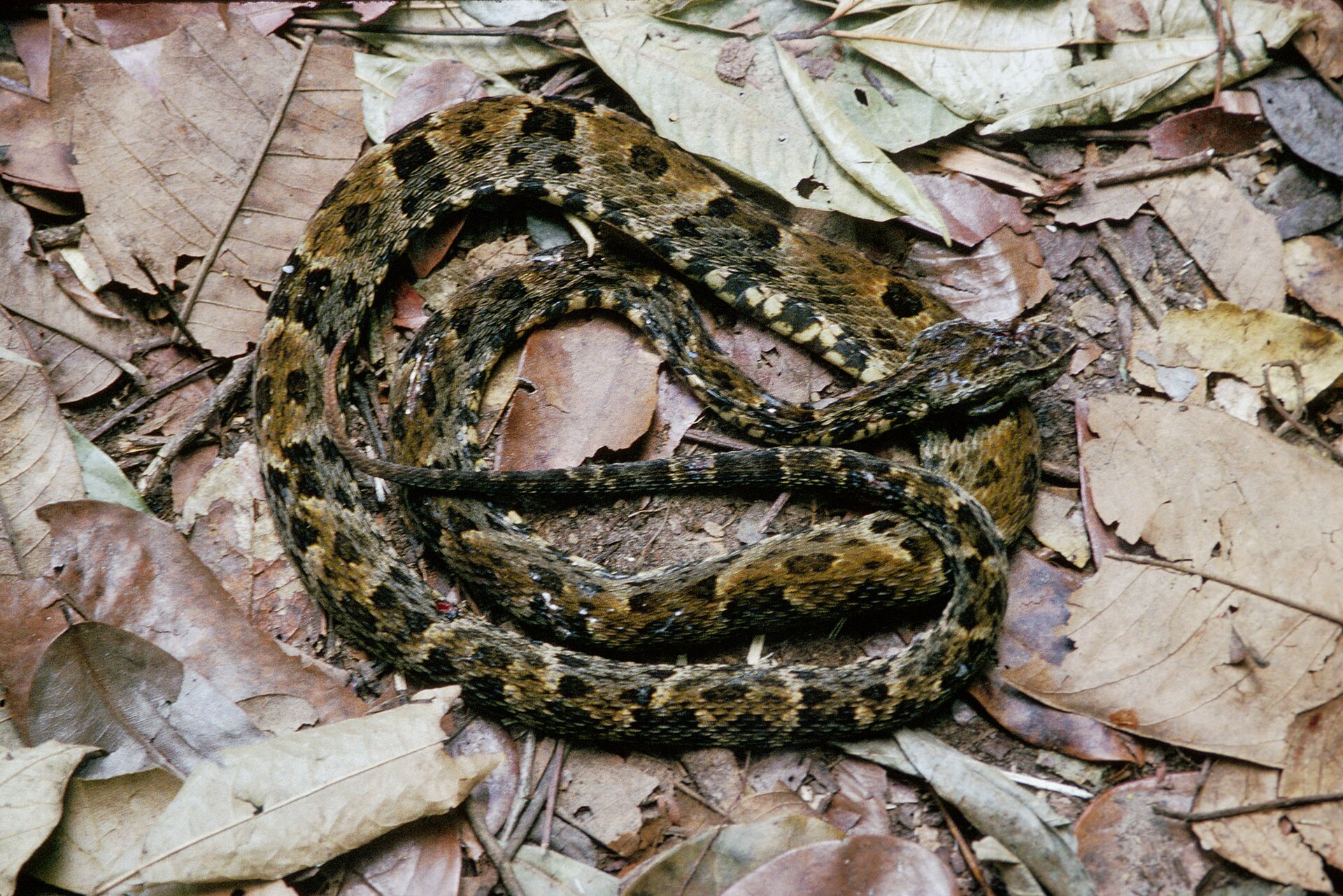
Adult males measure 1.4 to 1.8 meters, with triangular heads and X-shaped markings on their back.
Where It Lives in Costa Rica
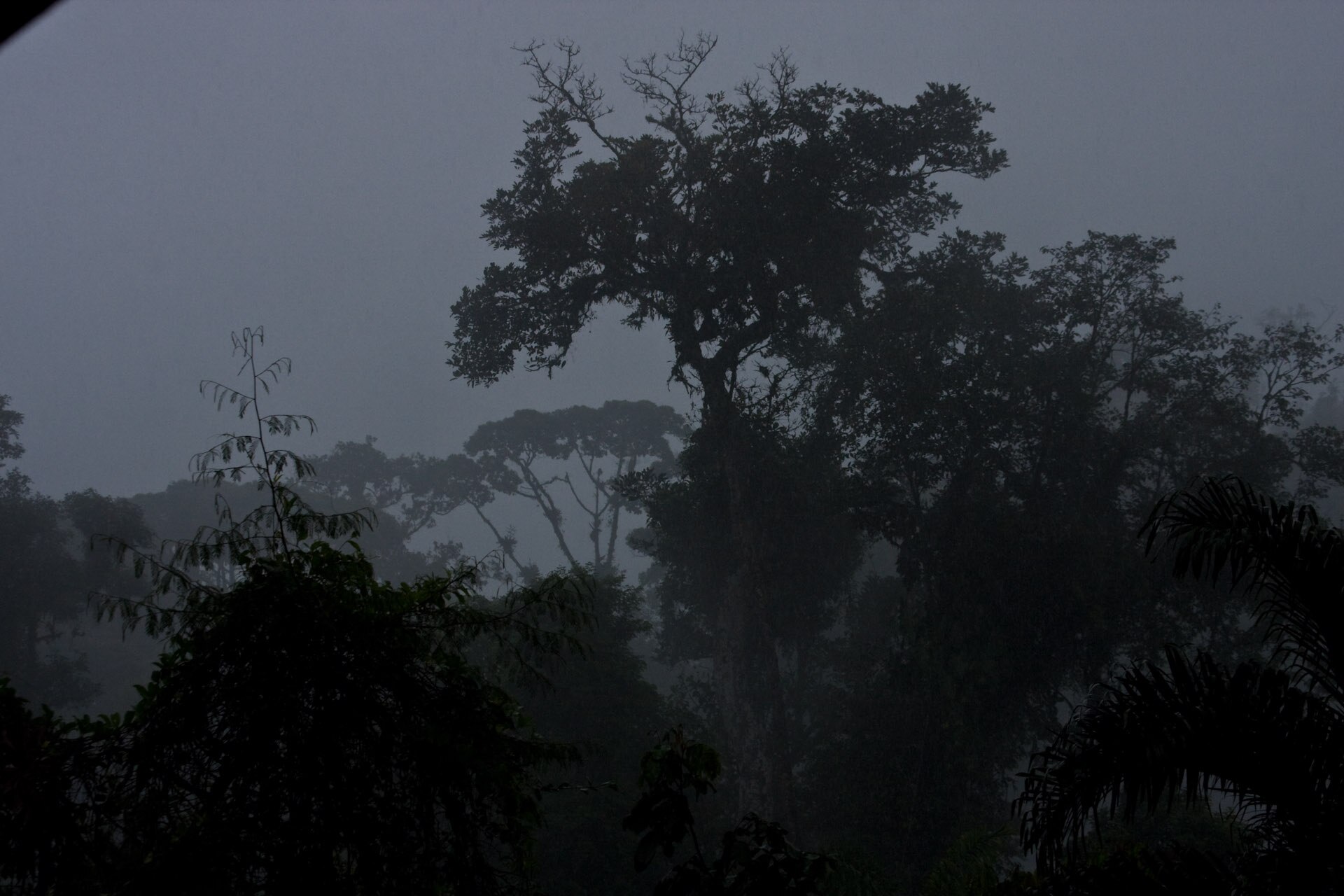
It lives in wet lowlands on both the Pacific and Caribbean slopes, up to 1,500 meters high.
How Dangerous a Bite Is
Lancehead venom causes tissue damage, bleeding and kidney injury; untreated bites can lead to death.
Costa Rica's Antivenom System
The Instituto Clodomiro Picado has made polyvalent antivenom since 1967, producing 110,000 vials in 2016.
Safety Tips for Hikers
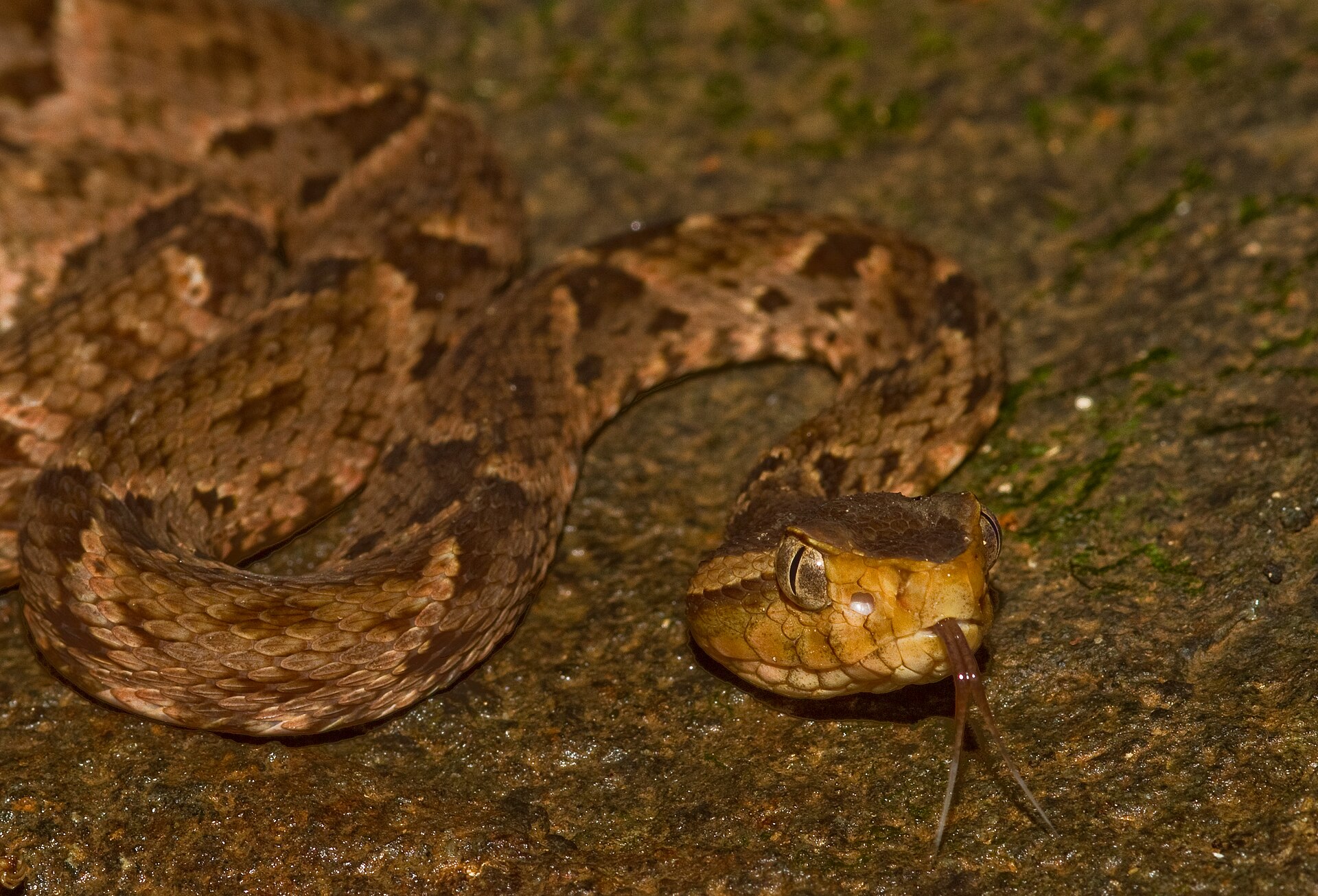
Wear boots and long trousers, avoid tall grass, and never touch snakes.
What to Do If Bitten
Call 911, immobilize the limb, and get to a hospital without driving yourself.
What It Means for US Readers
US visitors should check travel insurance and save 911 in their phone for snake emergencies.
What Is Not Known
No confirmed national count of 2026 snakebites or deaths has been published by health authorities.
Frequently Asked Questions
Fer de lance bites require immediate medical attention; do not use folk remedies or tourniquets.
The main idea
US visitors to Costa Rica should wear boots, avoid snake contact, and call 911 after a fer de lance bite to prevent death.





