From The Straits Times · · 1m 10s
Climate Change Ends Zavodovski's Penguin Dominance
Zavodovski island's chinstrap penguin colony shrinks to 402,000 as climate change reshapes Antarctic food chains.
In brief
Zavodovski island's chinstrap penguin colony shrinks to 402,000 as climate change reshapes Antarctic food chains. Climate change caused Zavodovski island's chinstrap penguin population to drop from 1.09 million to 402,000 between 2011 and 2025, ending its status as the world's largest penguin colony. Originally…
Zavodovski loses penguin dominance
Climate change has cut Zavodovski island's chinstrap penguins by two-thirds since 2011, ending its status as the world's largest penguin colony.
“That’s a very rapid loss”
Population drops to 402,000
The British Antarctic Survey data show numbers fell from 1.09 million to 402,000 chinstrap penguins between 2011 and 2025.
Macaroni penguins rise
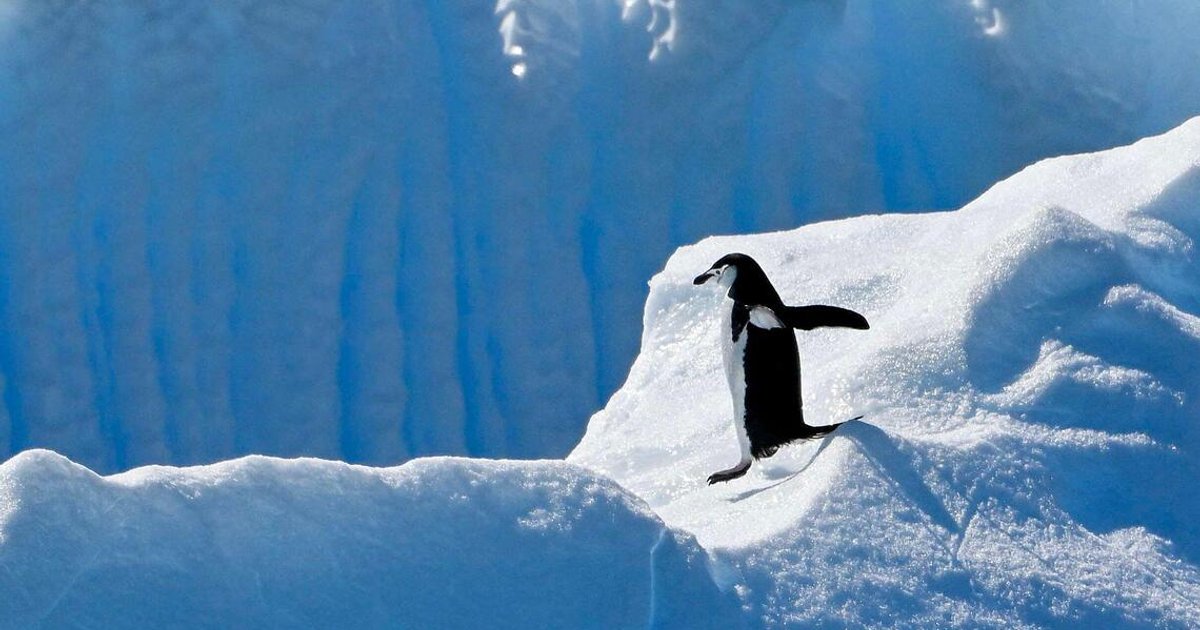
Macaroni penguin numbers increased from 338,000 to 433,000 between 2011 and 2025, now outnumbering chinstraps.
Krill decline drives change
Warming ocean temperatures pushed krill south, reducing chinstrap food sources while macaronis thrived on wider prey options.
Volcano not main cause
The 2016 Mount Curry volcano eruption did not cause the decline, as chinstrap numbers fell steadily before and after the eruption.
Penguin community shift
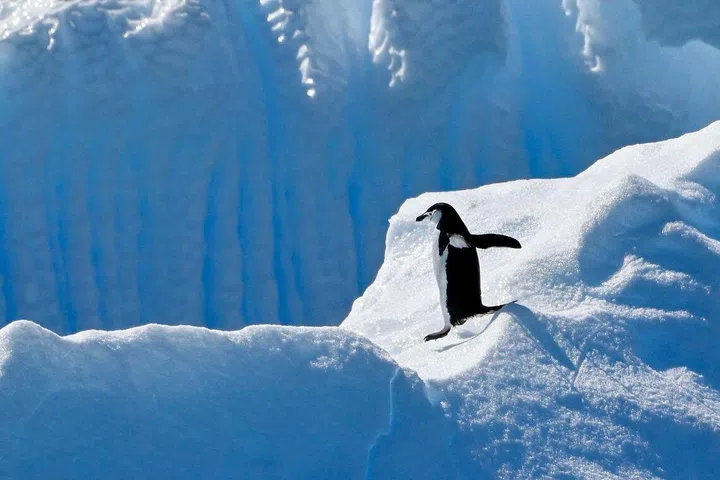
Climate change has caused the most significant shift in penguin community composition at a single Antarctic location, with chinstraps declining and macaronis rising.
“The observed numerical shift from chinstraps to macaronis on Zavodovski represents the most striking change in penguin community composition that has been observed at a single location in Antarctica to date”
In short
Climate change caused Zavodovski island's chinstrap penguin population to drop from 1.09 million to 402,000 between 2011 and 2025, ending its status as the world's largest penguin colony.





