From The Verge · Victoria Song · · 2m
Your 'health age' is fake
Can we just agree that your age is your age?
In brief
Can we just agree that your age is your age? Health age metrics vary wildly between devices and don't capture your full health picture, so your chronological age is what actually matters. Originally reported by The Verge.
Apple announces Health Age
At the Apple Watch event, Apple revealed a new longevity feature called Health Age, joining other wearables in estimating your physiological age.
Every device has one

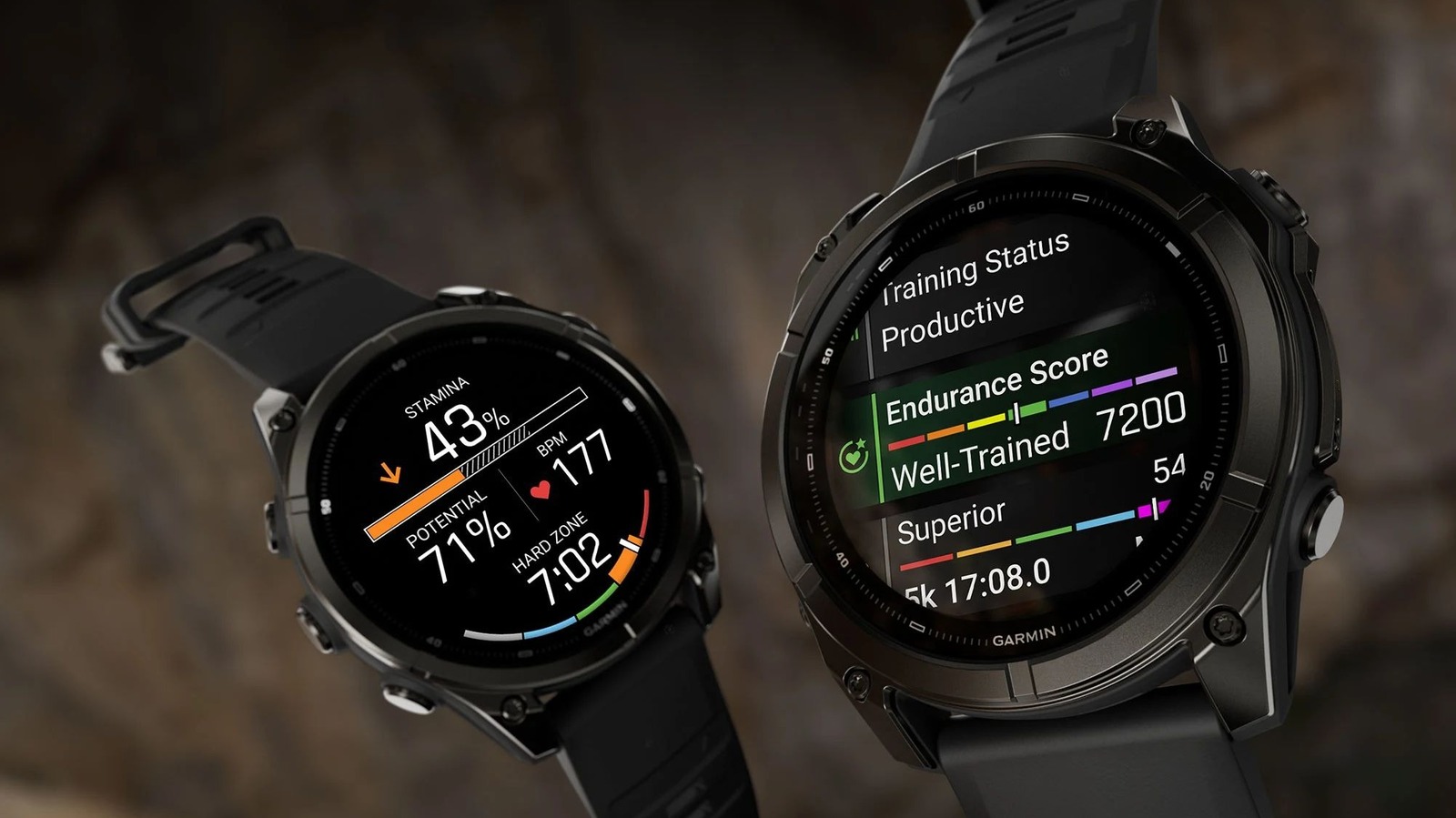
Whoop has Whoop age, Oura has cardiovascular age, Withings has heart and vascular age, and Garmin has fitness age. Even smart mattresses now estimate biological age.
The numbers are all over

Whoop says the author is 42. Oura says her heart is two years younger. Withings says her vascular age is older but her heart is four years younger. Her actual age? 38.
The concept has merit
Through healthy habits, your physiological condition might be better than others your age. These metrics can identify areas to improve, like balancing cardio with strength training.
But the framing is broken
Culturally, these scores become ego boosters. If your health age is younger, you brag. If it's older, you feel shame, even though getting old isn't actually bad.
“Apple's vice president of health, Sumbul Desai, even says in this Instagram Reel that Health Age could be something you brag about to your friends.”
Bryan Johnson's absurd example

Tech entrepreneur Bryan Johnson, famous for his quest to never die, posted that aliens would struggle to distinguish him from his teenage son. He's 49 and looks 49.
They miss the full picture
You could optimize your Whoop age perfectly and still have high cholesterol. You could be like Bryan Johnson and still develop autoimmune gastritis.
Genetics and fate matter
Some of your health is encoded in your genes. While you can better the odds, your ultimate fate isn't always something you can decide.
The author's contradictory results

At 38, she's fitter than at 18 but her bones crack more. Last year she was praised for training, but kept getting injured. This year she's less fit but metabolically healthier.
“I was fitter last year, and my wearables all praised my consistent training to the point that I kept getting injured.”
Different definitions, faulty judgments
Each device defines health age differently using different parameters. They've become odd scores that pass faulty judgments on how well you're doing.
“I look at my hodgepodge of 'ages,' and I can't tell you what any of it truly means.”
Time only moves forward
No matter the wearable metric or magic drug, none of us is Benjamin Buttoning our way out of aging. Time can only move forward.
The main idea
Health age metrics vary wildly between devices and don't capture your full health picture, so your chronological age is what actually matters.