From WIRED · Brian Kahn · · 1m 50s
Tesla ends Cybertruck to make room for smaller EVs
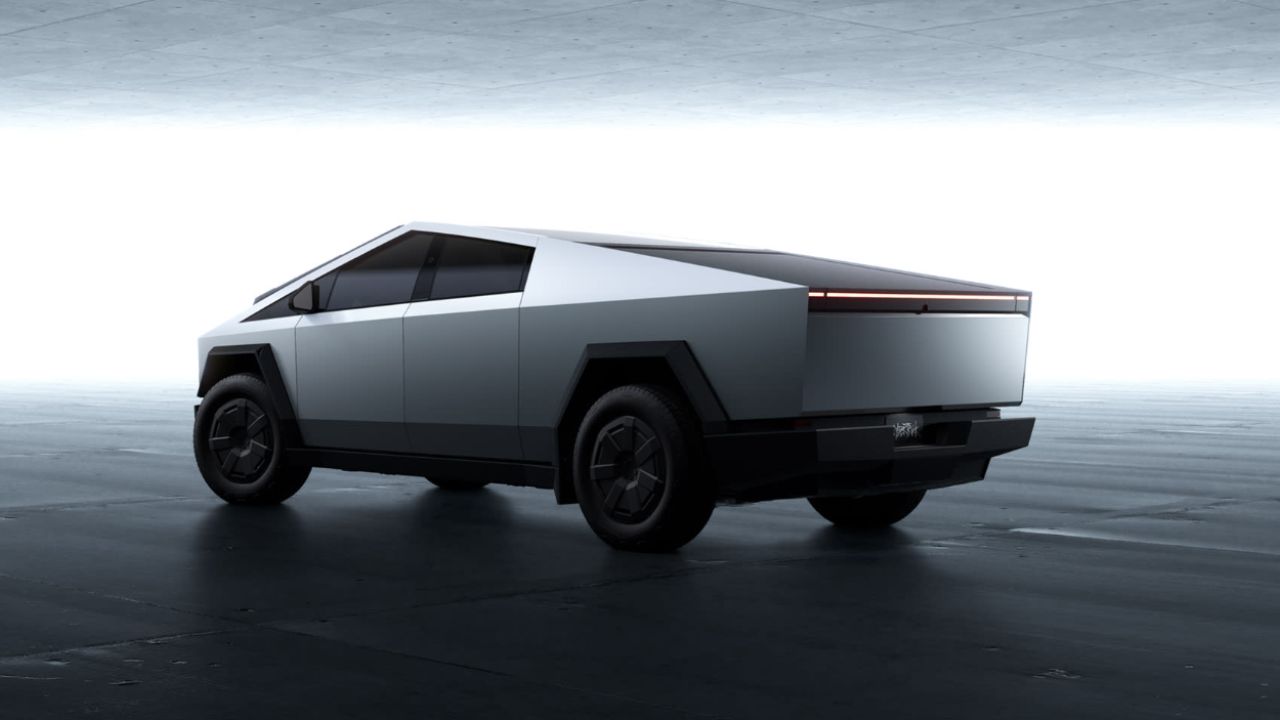
Tesla's decision to stop making the Cybertruck signals a broader shift toward smaller, cheaper electric vehicles that use less battery.
In brief
Tesla's decision to stop making the Cybertruck signals a broader shift toward smaller, cheaper electric vehicles that use less battery. Tesla will end Cybertruck production next year, marking a shift across the industry toward smaller EVs with smaller batteries that are cheaper and safer. Originally reported by WIRED.
Tesla ends Cybertruck production

Tesla will end production of the Cybertruck at its Texas Gigafactory next year. The vehicle's divisive design and subpar sales, along with a number of recalls, contributed to the decision.
Massive battery drains resources
The Cybertruck uses a massive one hundred twenty-three kilowatt-hour battery weighing around one thousand six hundred pounds, about a quarter of the vehicle's weight. That's comparable to Ford's F-150 Lightning, which was canceled last year.
Smaller EVs are the future
Ford is planning to launch the Fathom next year, a sub-thirty-thousand-dollar electric pickup about the size of its compact gas-powered Maverick. Startup Slate is launching a tiny electric pickup starting below twenty-five thousand dollars.
Smaller batteries cut costs

Building smaller vehicles with smaller batteries makes EVs cheaper.The battery pack is the most costly component of an EV.
Smaller vehicles serve the same purpose
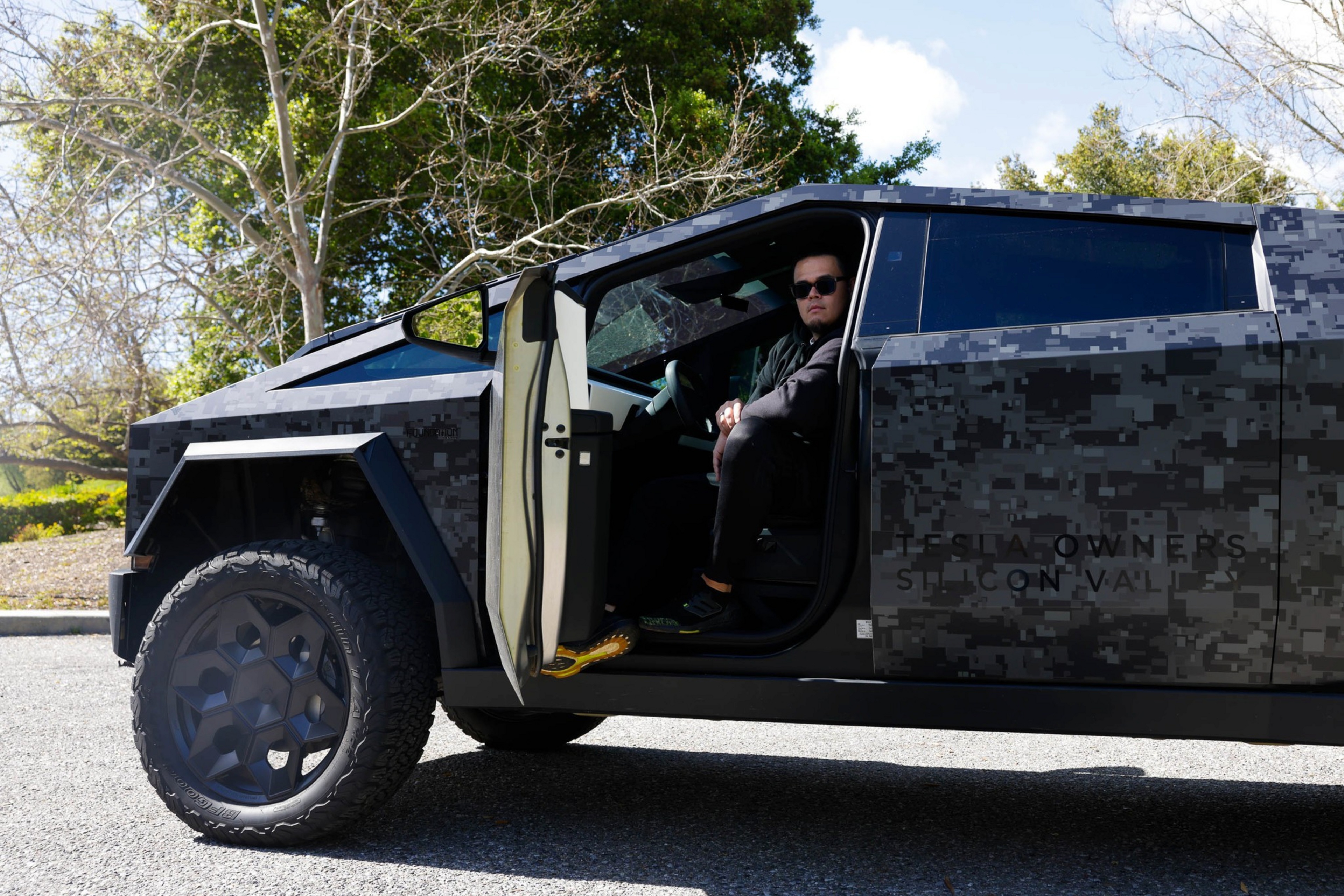
Most Cybertruck drivers use their vehicles for groceries, commuting and driving kids to soccer games, the same as Hyundai Ioniq five drivers.A standard-range Ioniq five driver does it with a battery about half the size.
Smaller EVs better positioned for demand
Automakers pivoting to smaller cars could be better positioned to meet pent-up demand if EV incentives return under a future administration, while also lowering risks of delivery delays.
Tesla's next move: Cybercabs
Elon Musk claims Tesla is ending Cybertruck production to make room for cranking out more Cybercabs. The battery size in those vehicles is just forty-eight kilowatt-hours.
The big picture
Tesla will end Cybertruck production next year, marking a shift across the industry toward smaller EVs with smaller batteries that are cheaper and safer.