From WIRED · Boone Ashworth · · 3m
Xreal's $1,279 glasses are comfy but the controls are broken
Xreal's new Aura glasses offer a lighter alternative to VR headsets with impressive displays, but hand gesture controls that frequently fail to register make them frustrating to use.
In brief
Xreal's new Aura glasses offer a lighter alternative to VR headsets with impressive displays, but hand gesture controls that frequently fail to register make them frustrating to use. Xreal released the Aura, a twelve seventy-nine dollar pair of extended-reality glasses running Android XR, but unreliable hand gesture…
Xreal launches its flagship glasses

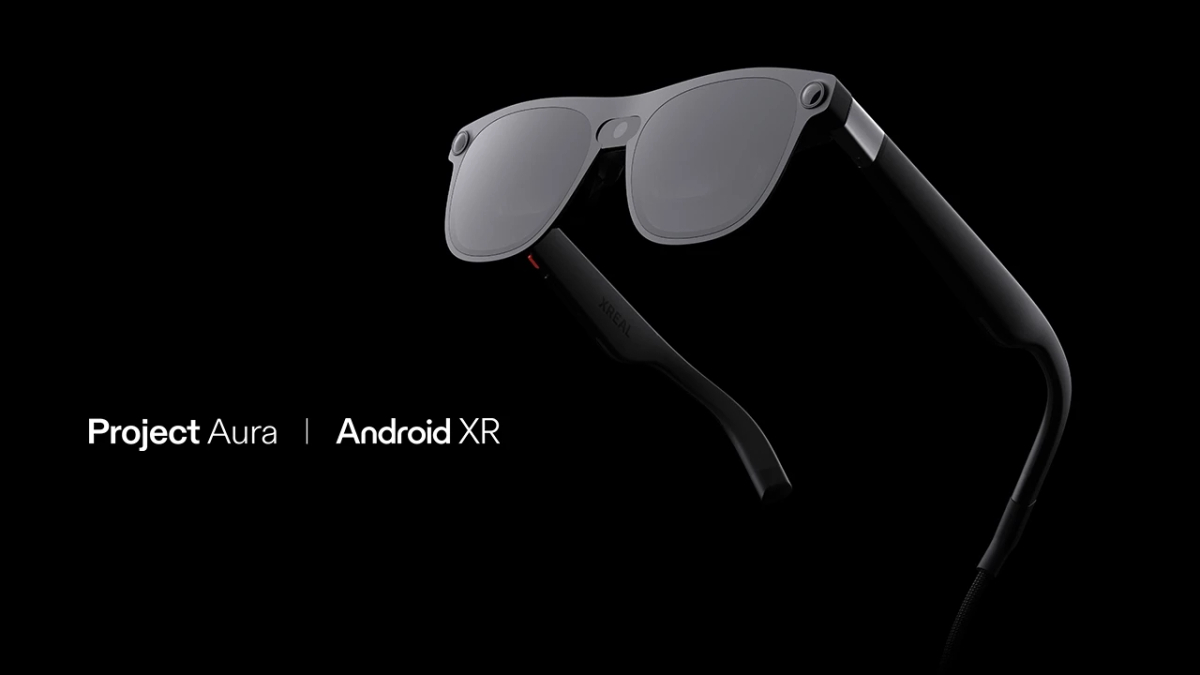
Smart glasses company Xreal released the Aura, a twelve seventy-nine dollar pair of extended-reality glasses running Google's Android XR platform. The glasses project virtual screens and augmented-reality elements into the wearer's field of vision.
Aura competes with Meta's upcoming VR glasses
The Aura glasses arrive before Android XR glasses from Google and Samsung with Warby Parker and Gentle Monster. They compete more directly with Meta's VR Glasses, slated for release in early twenty twenty-seven.
The glasses need a tethered compute puck
A long cord with USB-C cable connects the glasses to a compute puck about the size of a smartphone, weighing a little more than a half-pound.
Display and sound quality impress

The glasses weigh ninety-five grams and feature a four-mic array with Bose EQ tuning.The display has nineteen twenty by twelve hundred pixel-per-eye resolution with a seventy-degree field of view, noticeably better than other Xreal glasses.
Entertainment is the primary use case
The Aura can project a screen in your field of vision to watch movies, TV shows or YouTube videos.The virtual screen stays fixed or follows your head.
Productivity features offer virtual workstations
The Aura glasses can host virtual workstations letting you swap between tabs and keep multiple tasks running.
Augmented reality experiences included
The glasses offer augmented reality experiences like using Google Earth to turn a room into a three-dimensional model of a city you can stomp around in like Godzilla, plus immersive virtual tours of exotic places…
Hand gesture controls frequently fail
Front cameras track hand movements.Pinch two fingers to open an app or move a window.It works most of the time, but some gestures do not always register.
“I find myself trying to open Spotify or switch between titles on Prime Video and have to repeatedly pinch the air in front of me for anything to happen.”
Comfort comes with heat and bulk
The glasses feel lightweight but start to heat up after a few minutes of use, leaving red divots on the bridge of the nose.
Trackpad control is imprecise
The compute puck has a fingerprint sensor and its surface works like a trackpad to move the onscreen cursor.
Aura shows promise but feels premature
The Xreal Aura glasses demonstrate how far smart-glasses technology has come, but still feel like a novelty most people will not want or need.
“If only they could get a pinch more usable.”
In short
Xreal released the Aura, a twelve seventy-nine dollar pair of extended-reality glasses running Android XR, but unreliable hand gesture controls and a tethered compute puck limit its appeal.
Read the TL;DR — this story on one card.