From Wellbeing Magazine · Editorial Team · · 3m
Nurses are opening their own wellness clinics
More registered nurses are leaving hospitals to run holistic practices, and the paperwork behind them is what keeps them open.
In brief
More registered nurses are leaving hospitals to run holistic practices, and the paperwork behind them is what keeps them open. A nurse-owned wellness practice lives or dies on a specific, actively maintained physician collaborative agreement, not a name on a form. Originally reported by Wellbeing Magazine.
Nurses are leaving the hospital
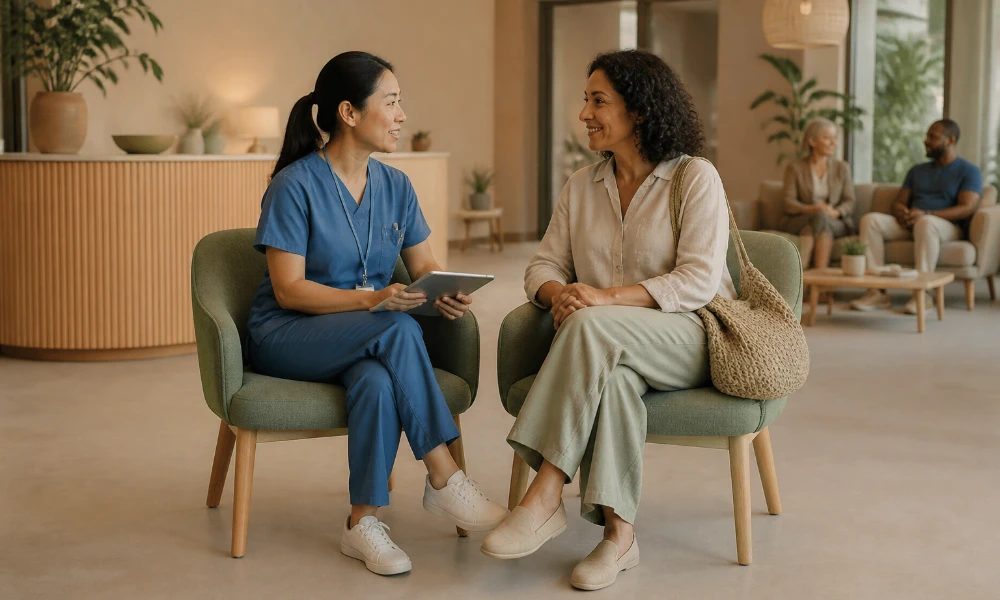
Registered nurses across the US are opening their own wellness practices, built around integrative care, stress recovery, hormone support, nutrition, and mindfulness.
Care that prevents, not reacts
These practices track a shift in what people want from health care. Less reacting to illness after it arrives, more personal and prevention-focused attention before it does.
Hospitals run on throughput
Institutional settings keep appointment slots short. Mental health, lifestyle, and patient education get squeezed into whatever time is left once the clinical checklist is done.
“Hospital settings prioritize throughput. Appointment slots stay short.”
Owning the practice means owning the clock
Nurses who go independent set their own appointment lengths, pick their services, and build care around their values, whether that is nutrition, breathwork, or chronic conditions.
The services that cross a line
IV nutrient therapy, hormone consults, medically supervised weight management, telehealth for stress conditions, functional assessments. Several of these sit inside regulated medical territory.
Nurses cannot prescribe alone
No matter how experienced, a registered nurse in the US cannot diagnose illness or prescribe medication independently. A licensed physician has to authorize the protocols behind those services.
Enter the medical director
A collaborating physician takes formal clinical responsibility for the clinic's protocols. They review treatment plans, authorize standing orders, and stay reachable for clinical questions.
Oversight can be remote
The physician does not need to attend appointments. Many review protocol documents, sign standing orders electronically, and answer questions within the response time the agreement sets.
Vague agreements fail audits
A document that names a physician without defining responsibilities collapses under state board review. Boards want evidence of active, documented oversight.
“State boards look for evidence of active, documented oversight.”
What the agreement must spell out
License numbers for both parties, covered services and medications, physician response times, a chart review schedule, approval steps for new services, and termination notice terms.
Matching used to take months
Finding a willing physician once meant endless outreach. Matching services now take a nurse's state and planned services and complete many placements in 24 to 48 hours.
Compliance is not a launch task
Protocol reviews stay on schedule, new services need approval first, and licenses get re-checked at renewal. Clinics that treat this as one-time paperwork collect gaps that surface in audits.
What matters most
A nurse-owned wellness practice lives or dies on a specific, actively maintained physician collaborative agreement, not a name on a form.