From the Guardian · · 3m
Australia's 30% tax on family trusts divides small business
The Albanese government's plan to tax discretionary trusts at a minimum 30% rate aims to close a tax loophole for the wealthy, but small businesses say restructuring will cost billions.
In brief
The Albanese government's plan to tax discretionary trusts at a minimum 30% rate aims to close a tax loophole for the wealthy, but small businesses say restructuring will cost billions. Australia's government introduced legislation imposing a minimum 30% tax on discretionary trust income from mid-2028, raising an…
Quick answers
- What is a discretionary trust?
- Discretionary trusts allow income from assets like businesses, property or shares to be split between beneficiaries, usually family members. The trustee can choose who receives what and change it at any time.
- What is the key takeaway from Australia's 30% tax on family trusts divides small business?
- Australia's government introduced legislation imposing a minimum 30% tax on discretionary trust income from mid-2028, raising an estimated four point five billion dollars in twenty twenty-nine thirty, but small businesses oppose it as restructuring costs could run into billions.
Government introduces 30% trust tax
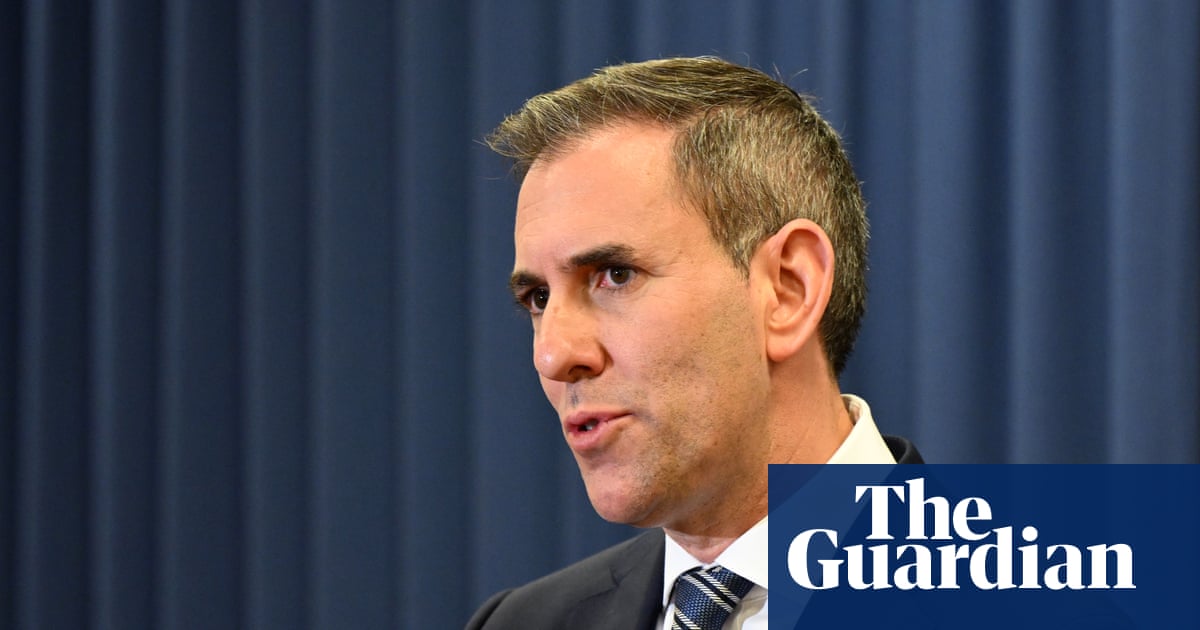
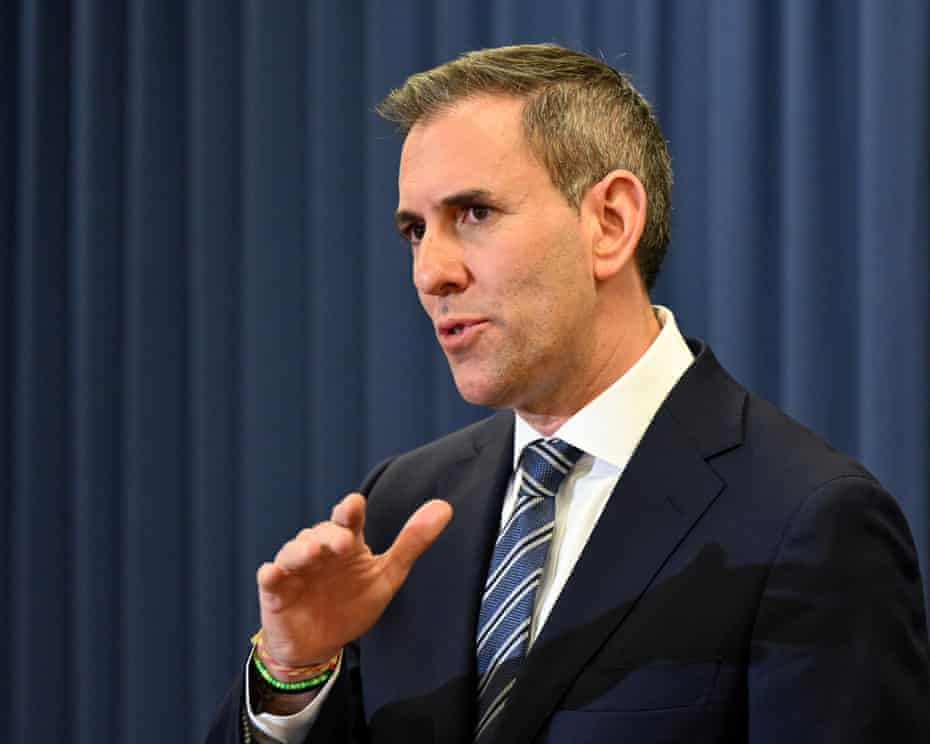
The Albanese government introduced legislation on Wednesday placing a minimum 30% tax on income received from discretionary trusts, part of what Treasurer Jim Chalmers calls the most ambitious tax reform in a generation.
What is a discretionary trust?
Discretionary trusts allow income from assets like businesses, property or shares to be split between beneficiaries, usually family members. The trustee can choose who receives what and change it at any time.
Tax advantage for the wealthy
More than ninety five percent of taxpayers do not get any income from trusts.Those that do tend to be among the wealthiest.
Steven and Angela example
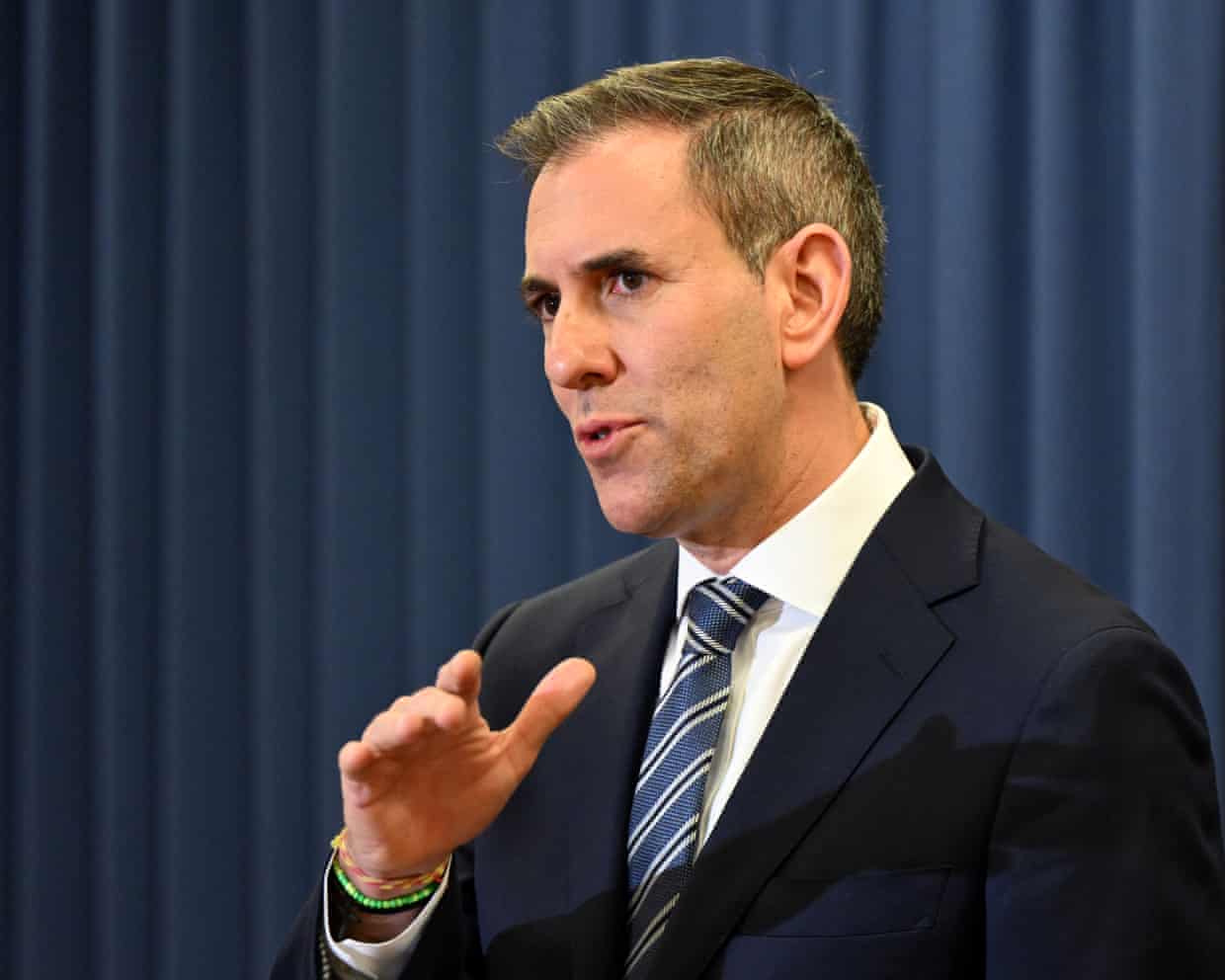
Treasury's budget documents show Steven earning two hundred thousand dollars from a discretionary trust pays twenty four thousand eight dollars in tax at an average rate of twelve percent.
Inequality in the tax system
According to Treasury analysis, the tax rate for families with discretionary trusts in twenty twenty two twenty three was on average four percentage points lower than families with similar incomes who did not use trusts.
Benefits go to the wealthy
Most of the benefits provided by discretionary trusts go to the top ten percent of families by income, according to Treasury analysis of twenty twenty two twenty three tax data.
New rules from mid-2028
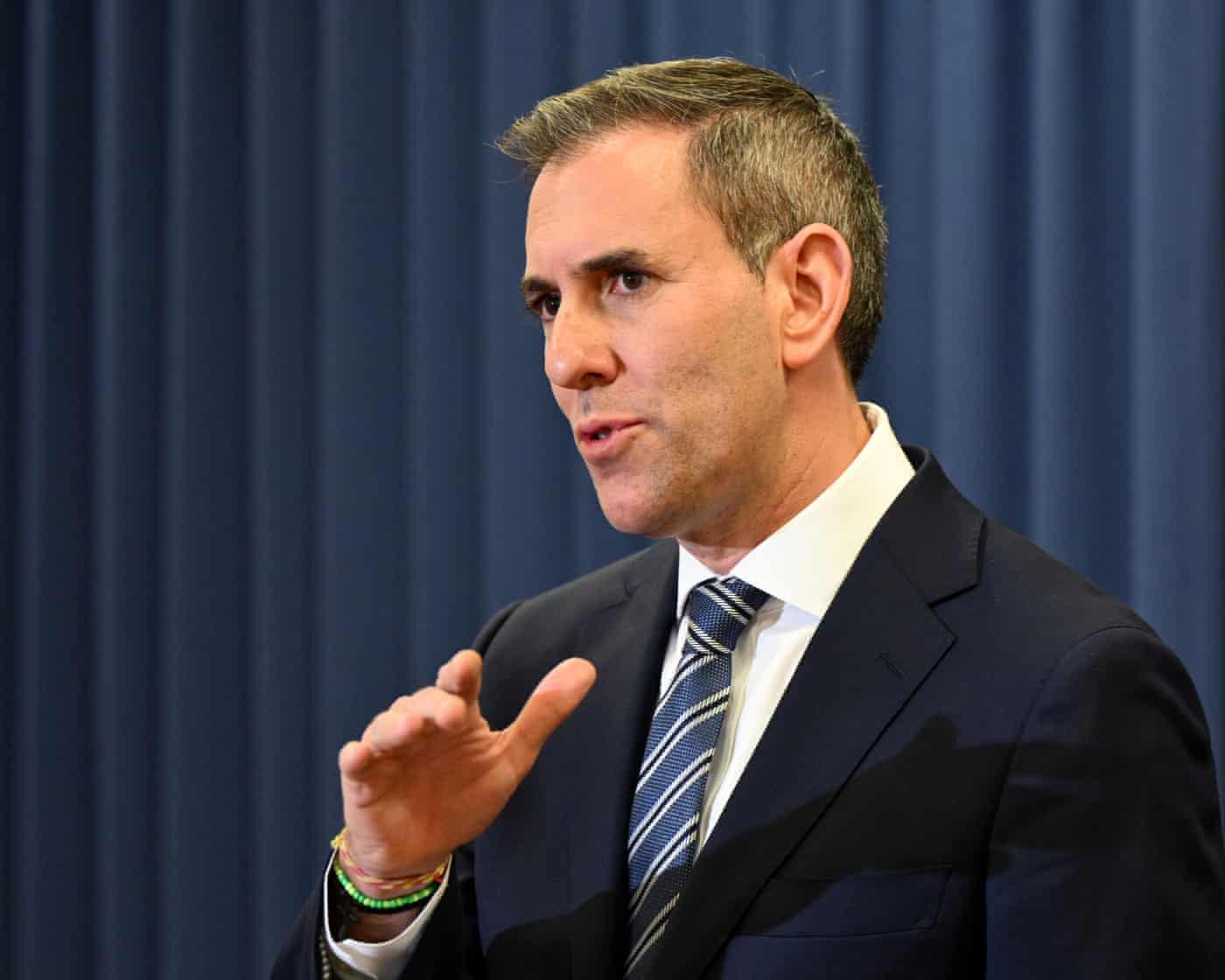
Under the proposed legislation, a minimum thirty percent tax will apply to income derived from discretionary trusts from mid twenty twenty eight.
Revenue and fairness claim
The minimum thirty percent tax on discretionary trust income will raise an estimated four point five billion dollars in twenty twenty nine thirty, its first year of operation.
“the arrangements that we start legislating today will mean a fairer tax system, and will also fund tax cuts for workers”
Small business restructuring costs
People and businesses with discretionary trusts may need to restructure to avoid the minimum thirty percent tax.
Treasury's lower estimate
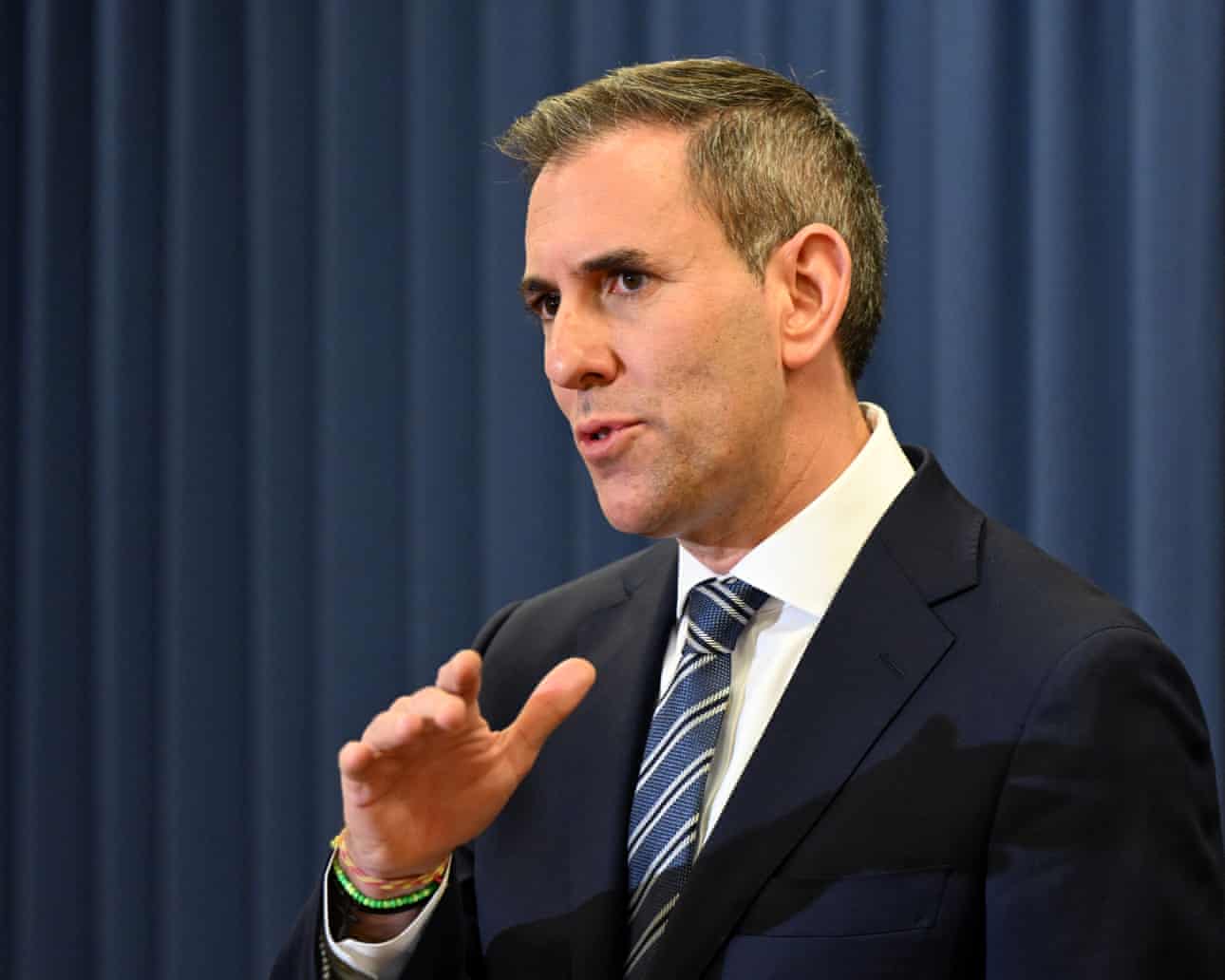
Treasury reckons the number of affected small firms is more like two hundred ten thousand. Even so, the opposition has highlighted that total restructuring costs and compliance bills could run into the billions of dollars.
Government amendments to ease burden
Wednesday's bill expands options to limit or eliminate restructuring costs.Trustees can now make fixed distributions to pre nominated beneficiaries, avoiding the thirty percent minimum tax without costly restructure.
Donations and stamp duty exemptions
After consultations, the government agreed to exempt donations from discretionary trusts to sporting and community groups. Chalmers said Treasury officials are talking to the states about waiving stamp duty when restructuring out of a trust.
Legislation likely to pass
The Coalition opposes the changes, with shadow treasurer Tim Wilson criticising the impact on small businesses.
“We already have near-record small business insolvencies, collapsing consumer confidence and real profits lower than at the change of government, and the answer from the Albanese government is to add new taxes and costs”
In short
Australia's government introduced legislation imposing a minimum 30% tax on discretionary trust income from mid-2028, raising an estimated four point five billion dollars in twenty twenty-nine thirty, but small businesses oppose it as restructuring costs could run into billions.





