From Wellbeing Magazine · Editorial Team · · 3m
What actually moves your A1C
A1C measures three months of blood sugar, so quick fixes won't show up fast. Here's what research says actually works.
In brief
A1C measures three months of blood sugar, so quick fixes won't show up fast. Here's what research says actually works. A1C changes take time because the test averages three months of data. Lifestyle changes like losing 7% of body weight and exercising 150 minutes weekly cut diabetes risk by 58%, far outpacing any…
What A1C actually measures
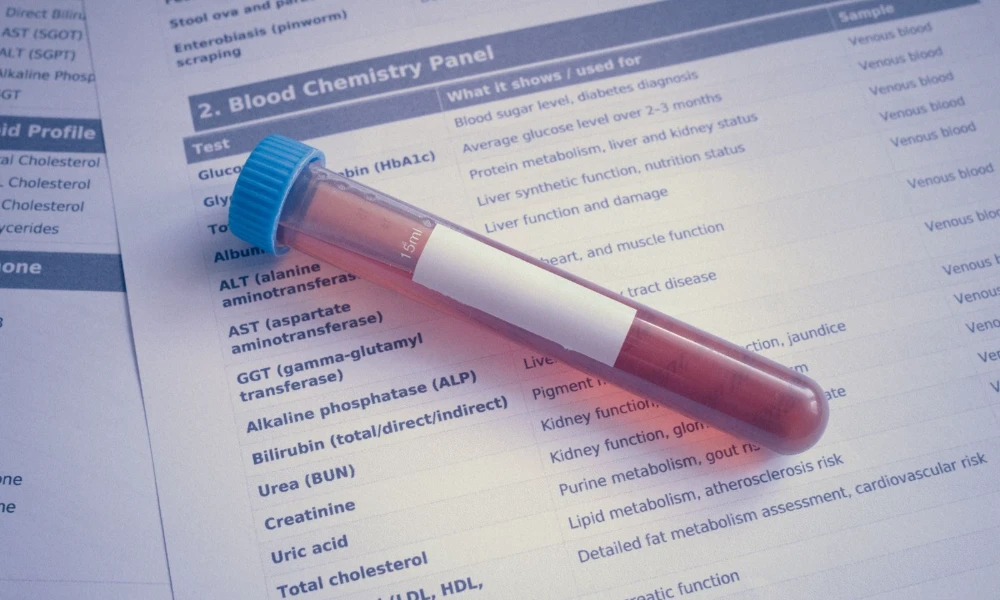
A1C is a three-month average of blood sugar levels, shown as a single percentage. Below 5.7% is normal, 5.7% to 6.4% is prediabetes, and 6.5% or higher indicates diabetes.
“An A1C result is a three-month average dressed up as a single number.”
Why A1C moves slowly
Because the test looks back three months, a change made two weeks before testing barely shows up. Someone who improves their diet but gets tested a month later is mostly seeing their old habits.
The lifestyle changes that work
The NIH's Diabetes Prevention Program found that losing 7% of body weight and exercising 150 minutes weekly cut type 2 diabetes risk by 58%, compared to 31% for metformin alone. For people over 60, the lifestyle program lowered risk by 71%.
“participants who aimed to lose 7% of their body weight and get 150 minutes of activity a week cut their risk of developing type 2 diabetes by 58%”
Long-term gains hold steady
Ten years after the Diabetes Prevention Program ended, the lifestyle group still showed a 34% delay in developing diabetes. That's a high bar for any supplement to match.
Where supplements actually fit
The National Center for Complementary and Integrative Health describes evidence for cinnamon, chromium, and berberine as weak. A 2019 analysis of 16 studies found cinnamon may lower fasting glucose, but not A1C itself.
Cinnamon as one small input
Cinnamon used consistently may be one small part of a plan built around diet and activity changes. It's not meant to work alone, and anyone expecting a supplement to move A1C by itself is asking more than research has shown.
“Cinnamon, used consistently, may be one small input alongside the diet and activity changes that carry most of the weight.”
Ceylon cinnamon vs cassia
Many cinnamon products don't specify which type they contain. Cassia, common in North America, contains coumarin, which concerns people with liver problems. Ceylon cinnamon from Sri Lanka has only a trace.
Realistic timeline for results
One Ceylon cinnamon brand recommends planning on at least six to eight weeks before drawing conclusions. That's about half the three-month window A1C measures, so steady changes would only be partway into the average by then.
“plan on at least six to eight weeks before drawing conclusions”
When the test might be wrong

Several conditions can throw off A1C results, including severe anemia, kidney failure, liver disease, blood disorders, certain medications, recent blood loss or transfusions, and pregnancy. If results don't match home glucose readings, raise it with your doctor.
The practical approach
Pick one or two changes you can actually maintain and give them a full testing cycle. Compare your new A1C to your last one, not to numbers online. Tell your doctor about any supplements, especially if you take blood sugar medication.
What it means
A1C changes take time because the test averages three months of data. Lifestyle changes like losing 7% of body weight and exercising 150 minutes weekly cut diabetes risk by 58%, far outpacing any supplement.