From euronews · Mohamed Elashi · · 1m 10s
Scientists Find Ancient Egyptian Crocodile Fossil
Scientists identify 45-million-year-old Egyptian crocodile with Sphinx-like skull missing nose tip.
In brief
Scientists identify 45-million-year-old Egyptian crocodile with Sphinx-like skull missing nose tip. Scientists reclassified a 45-million-year-old Egyptian crocodile fossil into a new genus after CT scans revealed it shares features with the Great Sphinx. Originally reported by euronews.
New Crocodile Genus Discovered
Scientists identified a new crocodile genus from a 45-million-year-old Egyptian fossil using CT scans on a skull recovered nearly a century ago.
Skull Resembles Great Sphinx
The fossil comes from the Mokattam Formation, same limestone as the Great Sphinx, with a missing snout tip like the monument's absent nose.
New Classification Published
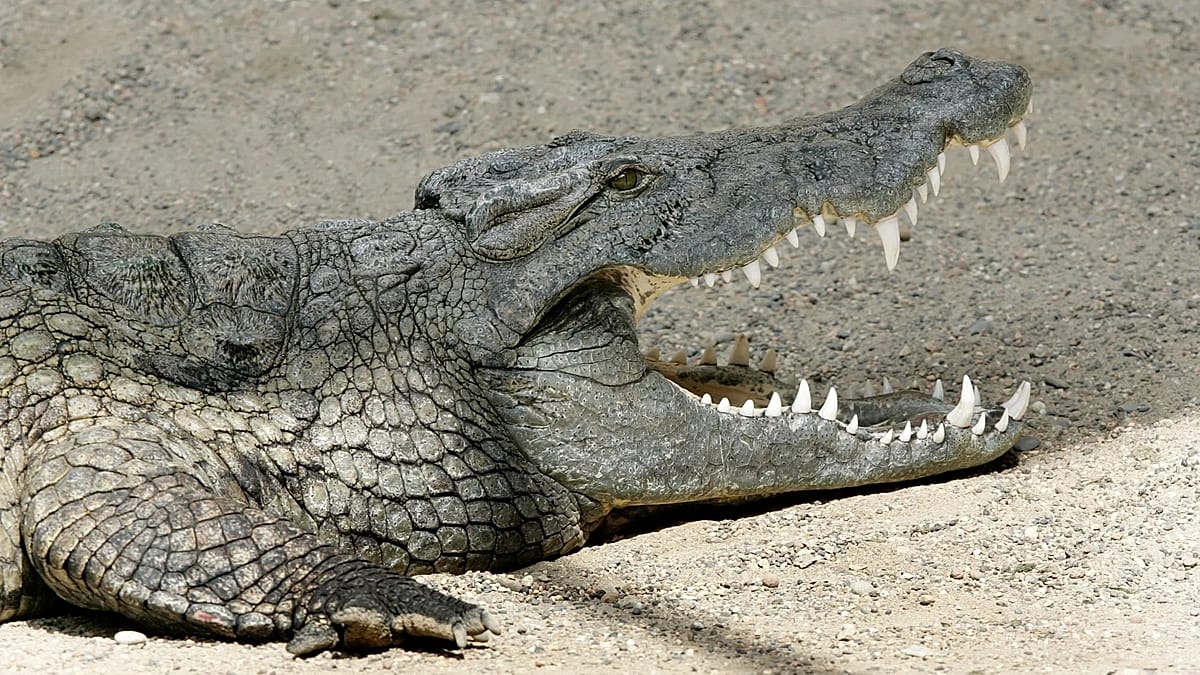
Researchers from Egypt, the UK, Sweden and Germany named the animal Herugavialis cairensis after re-examining its skull structure and evolutionary relationships.
Historical Classification Change
The animal was first described in 1927 as Tomistoma cairense but new findings placed it in a separate genus after nearly a century of classification.
Distinctive Skull Features
Herugavialis had raised, projecting eye sockets and other differences that prompted the researchers to create a new genus for the species.
Ancient Crocodile Habitat
About 45 million years ago, the region lay beneath shallow seas, with Herugavialis living alongside other long-snouted crocodile species.
In short
Scientists reclassified a 45-million-year-old Egyptian crocodile fossil into a new genus after CT scans revealed it shares features with the Great Sphinx.