From 24/7 Wall St. · Trey Thoelcke · · 1m 50s
Is Markel the next Berkshire Hathaway?
With Buffett stepping back, value investors are asking if Markel can fill the void using the same three-engine compounding model.
In brief
With Buffett stepping back, value investors are asking if Markel can fill the void using the same three-engine compounding model. Markel mirrors early Berkshire's architecture but faces a scale gap and investor skepticism that owning the real thing doesn't. Originally reported by 24/7 Wall St..
Buffett's exit opens the question
Warren Buffett stepped down as Berkshire Hathaway board chair, with Greg Abel now running the company. The handoff has revived a decade-old debate: is Markel Group the closest thing left to early Berkshire?
Same three-engine model
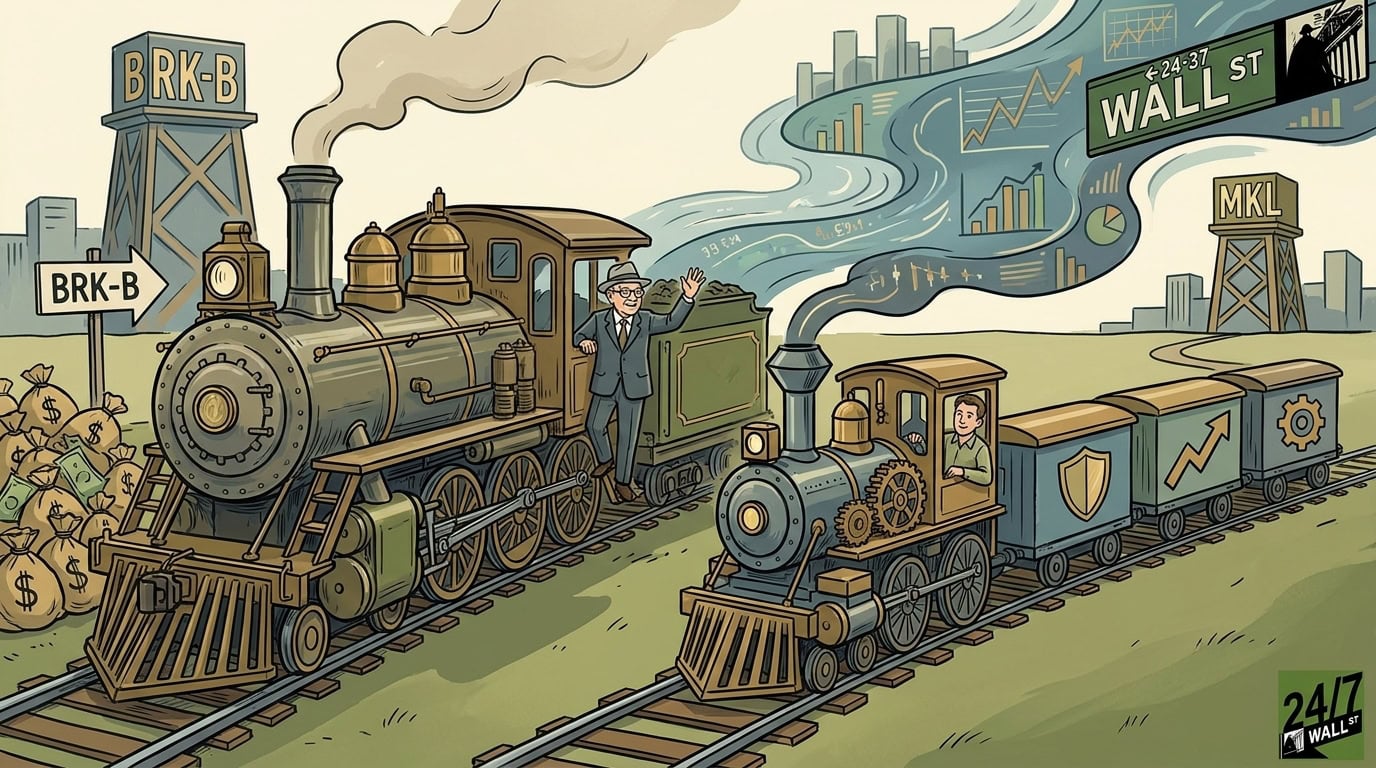
Markel runs specialty insurance underwriting, a public equity portfolio, and wholly owned operating businesses inside Markel Ventures. It pays no dividend and returns capital through buybacks, just like early Berkshire.
Insurance float fuels the machine
Insurance float, the fuel for compounding, expanded to $18.84 billion in 2025. CEO Tom Gayner told investors the company continues building a system designed to relentlessly compound capital.
“We continue to work on building the system designed to relentlessly compound your capital.”
Scale gap is the first wall
Markel's market cap is near $22.1 billion. Berkshire's is $1.1 trillion with $380 billion in cash. Rather than being a smaller copy of Berkshire, Markel is a fundamentally different kind of company.
Underwriting is healing
The combined ratio fell to 94.6% in 2025 from 95.5%, with Q4 tightening three points to 92.9%. Below 100% means the insurance book made money before investment income.
But investors remain unimpressed

Markel is down 17.0% year to date while Berkshire B is up 1.0%. Over five years, Markel returned 47.6% against Berkshire's 83.5%; over ten years, 95.2% against 250.1%.
Three things to watch
Monitor whether the combined ratio stays in the low 90s through 2026, whether buybacks hold the recent pace, and whether management keeps Ventures inside the group. If any of those breaks, the investment thesis falls apart.
The short version
Markel mirrors early Berkshire's architecture but faces a scale gap and investor skepticism that owning the real thing doesn't.