From 24/7 Wall St. · Gerelyn Terzo · · 3m
Timber as a Social Security bridge at 63
Southern landowners can use timber sales to delay Social Security and boost lifetime benefits by hundreds of thousands of dollars.
In brief
Southern landowners can use timber sales to delay Social Security and boost lifetime benefits by hundreds of thousands of dollars. Selling standing timber at 63 can provide bridge income to delay Social Security until 67 or 70, significantly increasing lifetime benefits without triggering early-claim penalties…
Pulpwood prices collapsed 46%
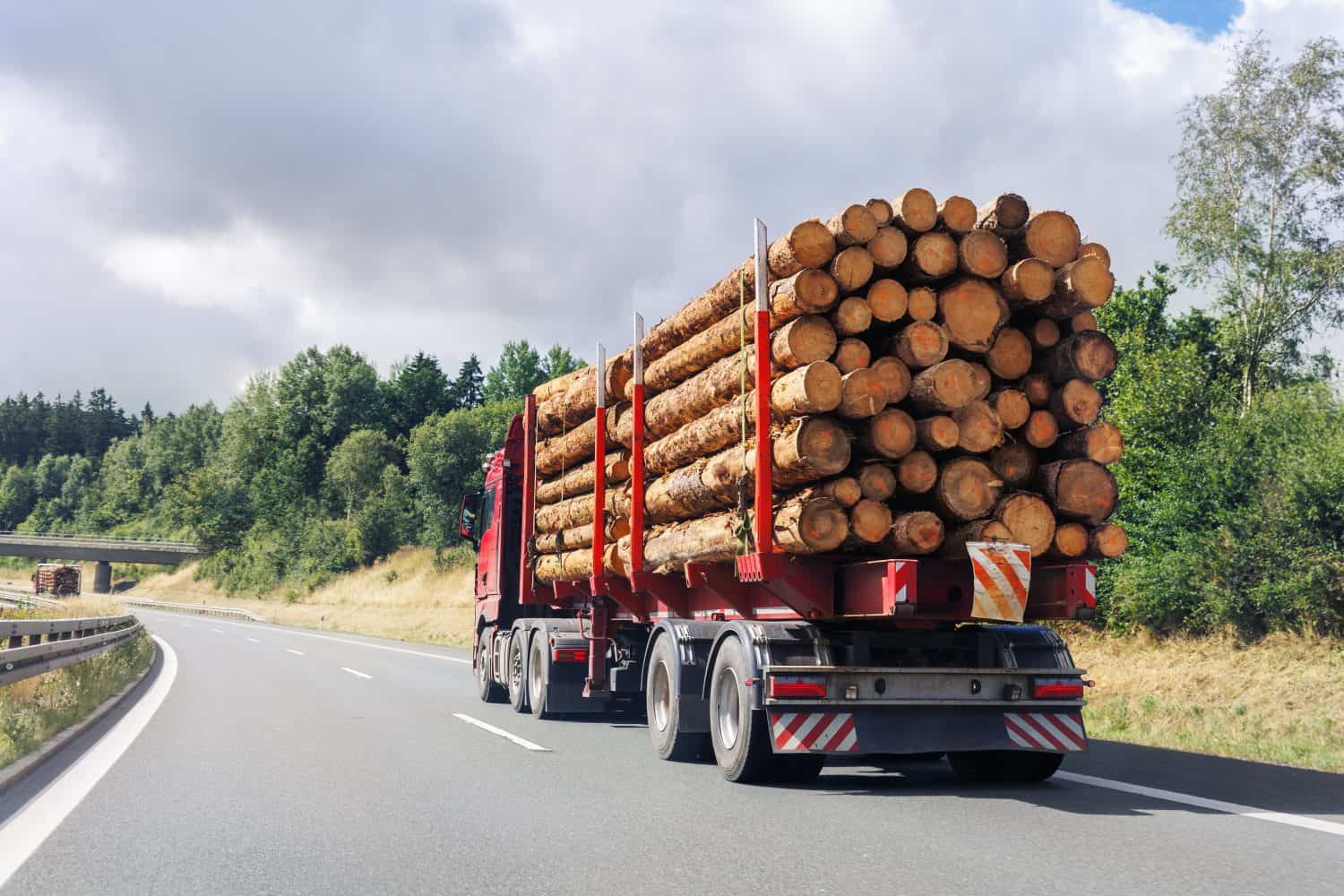
Southern pine pulpwood prices have fallen 46% from their 2022 peak, hitting nearly 40-year lows in inflation-adjusted terms. Mill closures and weak demand have left many landowners with barely any market for their trees.
“Southern pine pulpwood prices have fallen 46% from their 2022 peak”
The landowner's painful choice
A 63-year-old with merchantable timber faces a dilemma: cut now into a weak market for cash, or wait for prices that may take years to recover. Filing for Social Security early seems like an obvious substitute for missing timber income.
Waiting four years pays off
Claiming Social Security at 63 pays roughly 75% of the benefit available at 67. Someone entitled to $2,000 monthly at 67 would get about $1,500 at 63, a $500 monthly difference that compounds over decades.
Delaying to 70 adds 8% yearly
From age 67 to 70, benefits increase 8% per year. That same $2,000 monthly benefit grows to roughly $2,480 by age 70, creating a $980 monthly difference between claiming at 63 versus 70.
Timber sales may avoid self-employment tax
Standing timber held for investment can receive capital-gains treatment. Certain qualifying timber dispositions under Section 631 are excluded from net earnings from self-employment, unlike regular timber business income.
How the bridge works
A $120,000 timber sale might leave $90,000 after taxes and expenses. A landowner needing $30,000 yearly could cover roughly three years of living expenses while delaying Social Security, buying time for a larger benefit.
Plan the money carefully
Cash needed within a year should stay liquid and low-risk. Money for later bridge years can be matched to CDs or Treasury securities that mature when needed. The goal is replacing a paycheck, not gambling with proceeds.
Watch out for Medicare surcharges
A taxable timber gain raises adjusted gross income, which can affect Marketplace health insurance credits before 65. Medicare uses tax info from two years earlier when calculating Part B and Part D surcharges at 65.
Three details before cutting
Establish how the timber sale will be taxed. Calculate spendable proceeds after basis, taxes and costs. Compare Social Security benefits at 63, 67 and 70 to decide if waiting is worthwhile.
The lifetime value is huge
The 63-versus-67-versus-70 claiming decision is worth six figures over a lifetime. In a collapsed pulpwood market, timber's real value may be the years it lets the Social Security check wait.
The key point
Selling standing timber at 63 can provide bridge income to delay Social Security until 67 or 70, significantly increasing lifetime benefits without triggering early-claim penalties.