From the Guardian · · 3m
Australia eyes migration reversal it has never tried
One Nation and the Coalition promise to slash arrivals, but experts warn the economic cost could be severe.
In brief
One Nation and the Coalition promise to slash arrivals, but experts warn the economic cost could be severe. Australia is considering deliberately reversing net migration for the first time in its history, a policy experts say could trigger economic collapse. Originally reported by the Guardian.
Quick answers
- Will politicians follow through?
- Gamlen doubts One Nation would implement its plan even if elected, suggesting they are talking tough and would blame others if they fail to meet migration targets.
- What is the key takeaway from Australia eyes migration reversal it has never tried?
- Australia is considering deliberately reversing net migration for the first time in its history, a policy experts say could trigger economic collapse.
Australia considers the unthinkable
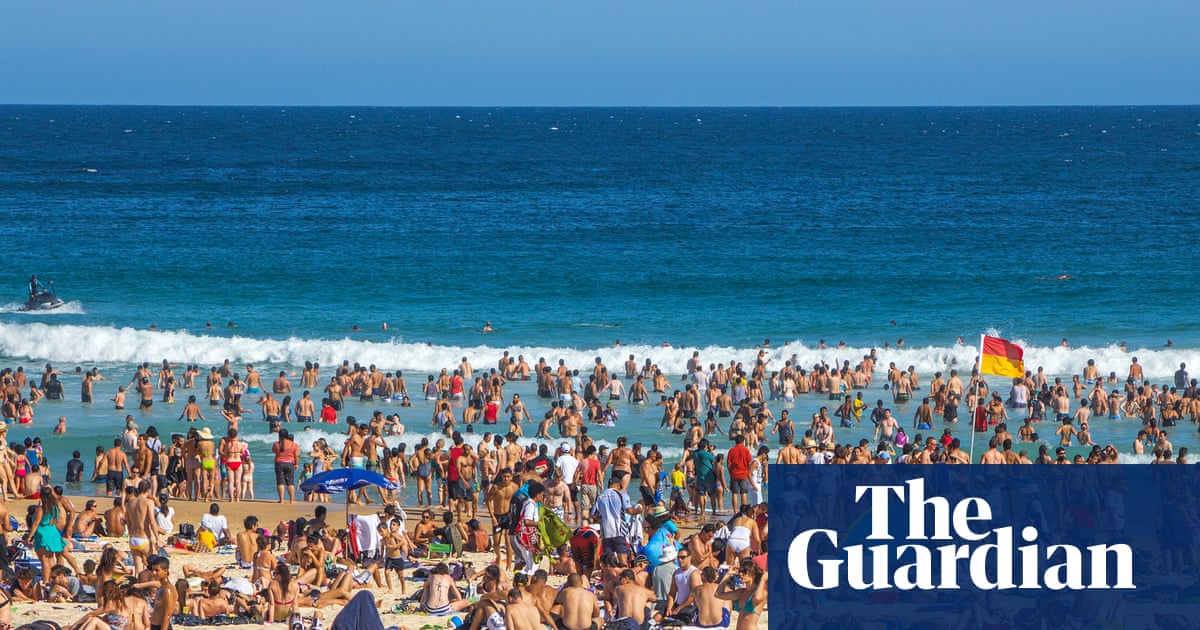
Australia is flirting with deliberately driving net overseas migration into reverse, something it has never done by design in its history as an immigrant nation.
When migration reversed before
Net migration only went negative during convulsive moments: the depression in the early eighteen nineties, the first and second world wars, and the great depression of the early nineteen thirties.
Hanson's radical plan
Pauline Hanson, One Nation's leader, is promising to engineer negative net migration for three years if she wins government, arguing it would lower housing costs.
The housing savings claim
One Nation's economic team says cutting temporary migrants by seven hundred sixty six thousand over three years would lower rental inflation by six point five percent, saving renters fifty four dollars a week.
Economists warn of collapse
Mark Cully, author of Waves of Plenty, says if net migration went negative for three or more years, it would mean nothing other than a prolonged economic slump.
“If net overseas migration was to go negative for three or more years, I can't see how it would mean anything other than a prolonged economic slump.”
The economic damage
Peter Tulip, co-author of Reserve Bank research, warns there would be a big hit to exports from the university sector and to government revenue, leaving Australia poorer.
“There would be a big hit to exports [from the university sector] and also be a big hit to government revenue. So, economically, we would be worse off.”
Coalition joins the race
Angus Taylor, the Coalition opposition leader, has pledged to slash net overseas migration to one hundred thousand a year in its first term, calling it the biggest cut to immigration in Australia's history.
The real problem
Temporary migrants as a share of Australia's population have more than doubled over fifteen years, from two point nine percent in two thousand eleven to six point six percent, excluding New Zealanders and visitor visas.
An underclass created
Hundreds of thousands of international students, temporary graduate and skilled visa holders, and working holidaymakers stay for years without permanent residency protections, creating what Cully calls an underclass manufactured by government policy.
“We now have an underclass in Australia, manufactured by government policy.”
A scalpel, not a bludgeon
Alan Gamlen, director of the ANU's migration hub, argues Australia needs to regulate temporary arrivals, not slam on the brakes and crash the economy by pursuing unprecedented migration reversal.
“We need to focus on regulating temporary arrivals; we don't have to slam on the brakes and crash the economy.”
Will politicians follow through?
Gamlen doubts One Nation would implement its plan even if elected, suggesting they are talking tough and would blame others if they fail to meet migration targets.
“One Nation's plan is so far beyond the pale that even if they are elected I don't think they will do it.”
What it means
Australia is considering deliberately reversing net migration for the first time in its history, a policy experts say could trigger economic collapse.





