From the Guardian · · 1m 20s
Britain’s unpaid care squeeze
More Britons are leaving work to care for loved ones, with heavy costs for families, employers and the economy.
In brief
More Britons are leaving work to care for loved ones, with heavy costs for families, employers and the economy. Unpaid care is becoming a mass workforce issue, and carers need paid leave, respite and social care support to stay in work. Originally reported by the Guardian.
Workers are leaving
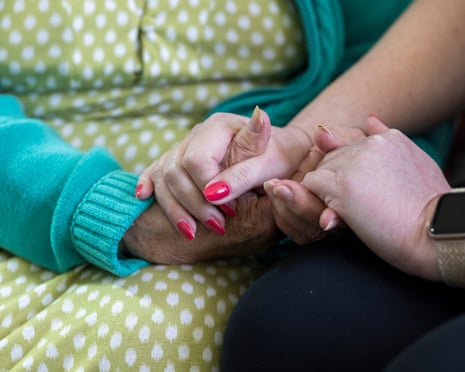
About 1,500 Britons a day are quitting their jobs to care for ageing, ill or disabled relatives as state-funded care becomes harder to access.
Millions are affected
Carers UK estimates more than 1 million people have left work for unpaid care in two years. One in five employees now juggles a job with caring duties.
“widespread social and economic reality”
Care cuts careers
Many carers reduce hours, pass up promotions or take lower-paid roles. More than a third of those cutting hours work less than eight hours a week.
Rights are too thin
Carers UK wants stronger job protections, including 10 days of paid carer’s leave each year and a care system built around people who also need to work.
One career paused
Jacqui Hylton left a 30-year NHS midwifery career to care for her mother. She says her skills are going unused while her pension and future work options shrink.
“I don’t regret caring for my mum.”
The bill is huge
About 11 million UK adults report unpaid care duties. The rise in people leaving paid work to care is estimated to cost the UK £37bn a year.
The key point
Unpaid care is becoming a mass workforce issue, and carers need paid leave, respite and social care support to stay in work.