From the Guardian · · 1m 50s
Colston's bones to stay in Bristol church
The slave trader's remains will likely remain buried at All Saints as the closed church considers becoming a community space focused on Bristol's slave trade history.
In brief
The slave trader's remains will likely remain buried at All Saints as the closed church considers becoming a community space focused on Bristol's slave trade history. Edward Colston's remains will probably stay buried at All Saints church in Bristol, which may reopen as a community space exploring the city's…
Statue toppled in 2020
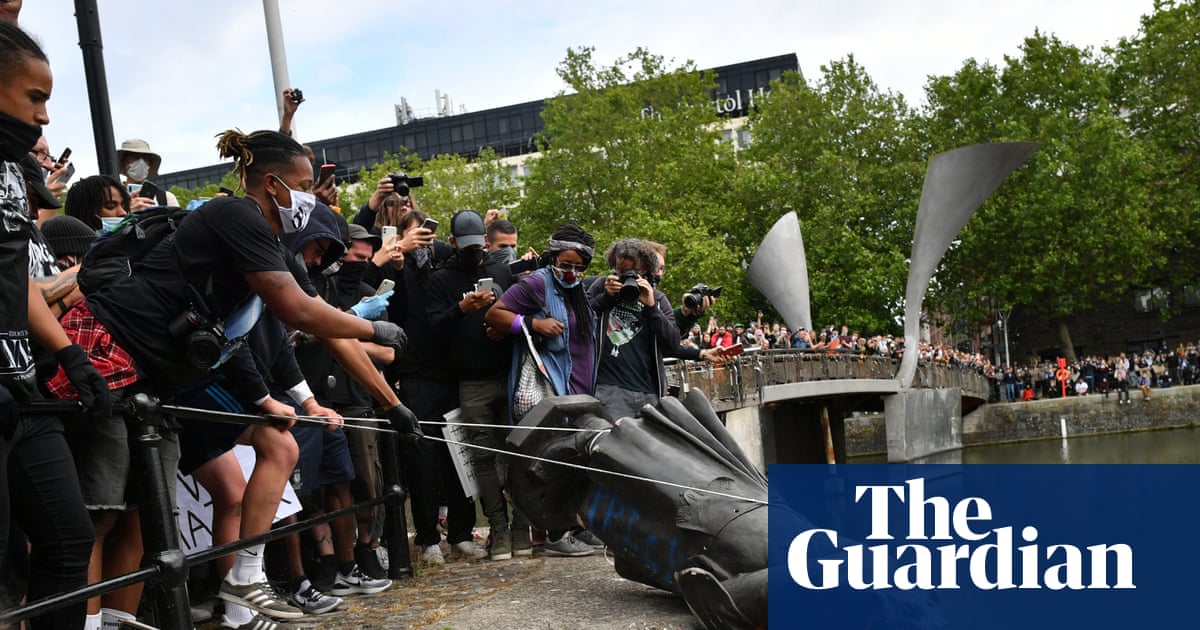
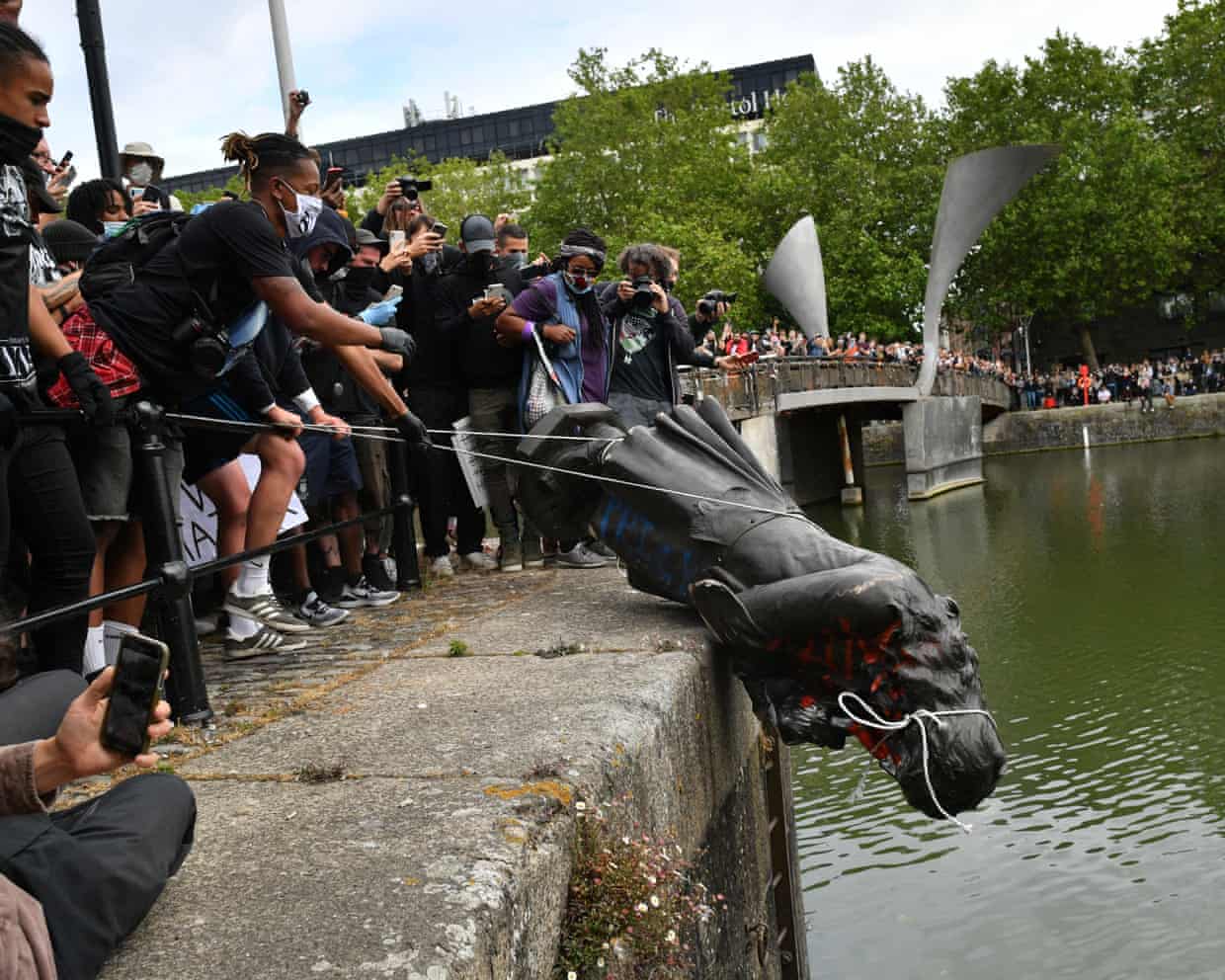
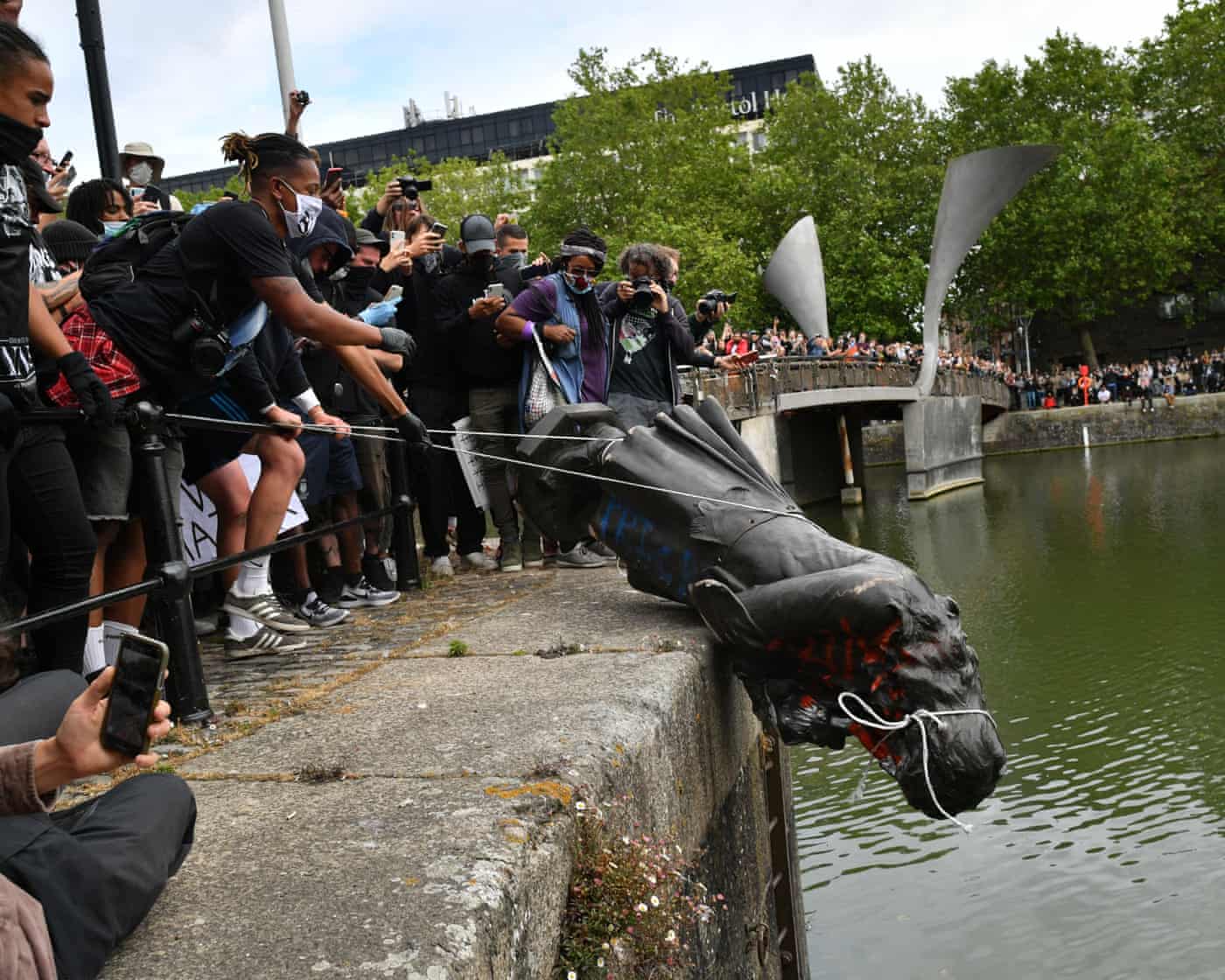
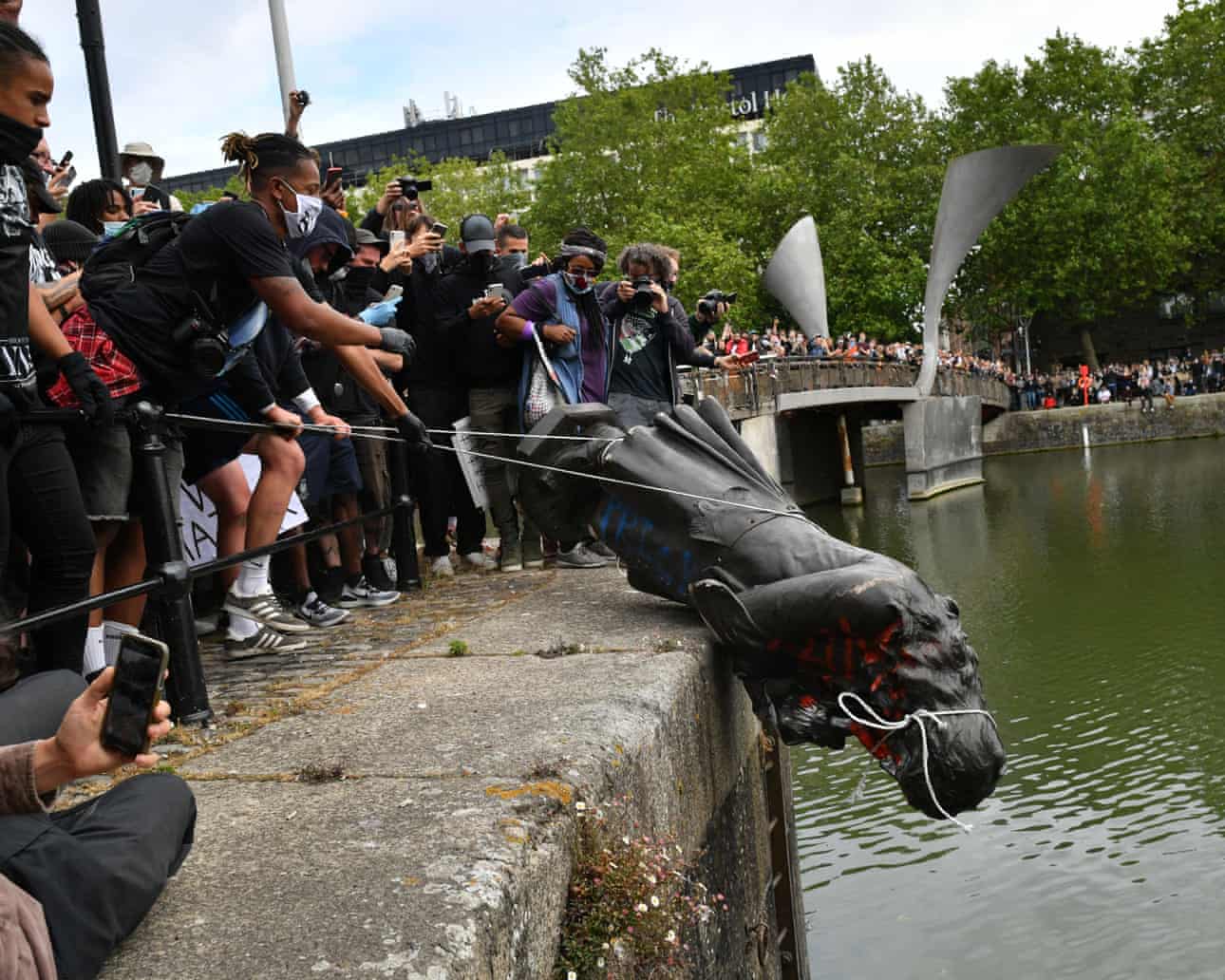
Edward Colston made headlines worldwide in 2020 when his statue in Bristol was thrown into the harbour during a Black Lives Matter protest.
Remains at All Saints church
Colston, who died in 1721, is interred at All Saints church on Corn Street in Bristol, which has been closed since 1984.
Dean: remains will stay
The dean of Bristol, the Very Rev Mandy Ford, said Colston's remains would probably stay in All Saints if the building is given new use as a community resource.
Christian burial is permanent
Ford explained that church guidance assumes remains given Christian burial are not disturbed except in exceptional circumstances. She said the presumption is they stay where they are.
“There is very, very clear guidance which assumes that you don't disturb remains that have been given Christian burial, except in exceptional circumstances.”
Ford's experience with reburials
Ford previously worked in Leicester where she was closely involved in the reinterment of Richard III's remains after they were found in a car park.
Church as place of learning
The diocese has been consulting Bristolians about All Saints' future. It seems likely the church will become a space to reflect on the port's connections with slavery.
Diverse views from Bristol
The Rev Anjali Kanagaratnam, leading the consultation, said views ranged widely. Some people never want to return; others were unaware the building existed and want to bring their children.
Potential for reconciliation
Ford said All Saints has potential as a place of learning and reconciliation, sitting alongside other Bristol institutions' work on the city's history and slavery.
“I think people do see that it has potential as a place of learning and also a place of reconciliation.”
At a glance
Edward Colston's remains will probably stay buried at All Saints church in Bristol, which may reopen as a community space exploring the city's connections to slavery.





