From the Guardian · · 2m
Dickens scholar finds real Oliver Twist in workhouse records
Historian Theresa Musgrove uncovers 1836 newspaper accounts of Alice Shepherd, a pauper punished for asking to take a walk, suggesting she inspired Dickens's famous orphan.
In brief
Historian Theresa Musgrove uncovers 1836 newspaper accounts of Alice Shepherd, a pauper punished for asking to take a walk, suggesting she inspired Dickens's famous orphan. A Dickens biographer has discovered newspaper records of Alice Shepherd, a workhouse pauper severely punished in eighteen thirty-six for…
Scholar uncovers workhouse punishment
Historian Theresa Musgrove discovered eighteen thirty-six newspaper reports on Alice Shepherd, a pauper punished in Hendon workhouse for asking permission to take a walk.
Oliver's famous plea mirrors Alice's fate
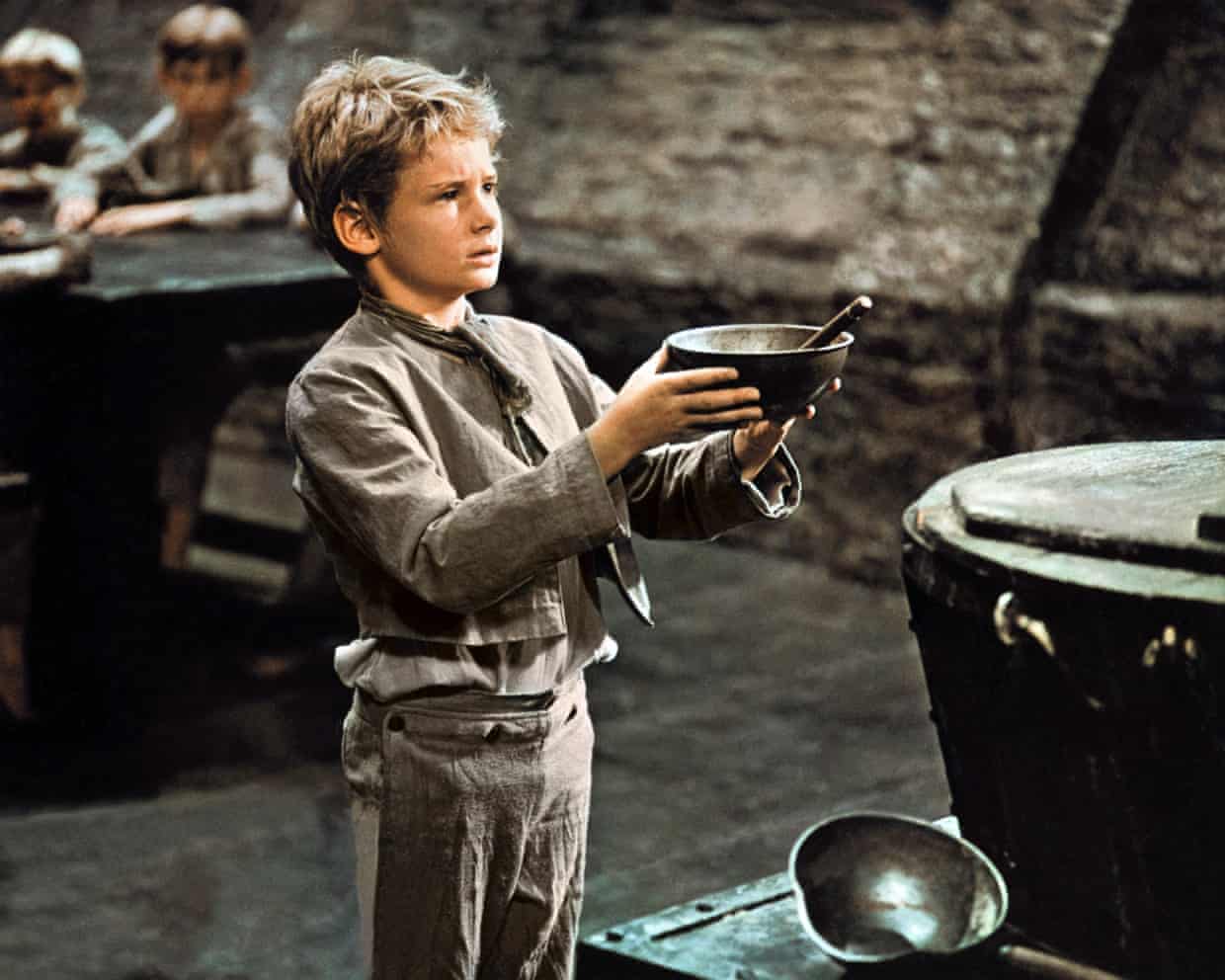
Dickens published Oliver Twist in monthly instalments from eighteen thirty-seven to eighteen thirty-nine. The orphan asks a magistrate for a second helping of gruel with the words: Please, sir, I want some more.
“Please, sir, I want some more.”
Alice Shepherd's brutal punishment
Newspaper reports record that Alice Shepherd was put in a straightjacket and placed in solitary confinement for twenty-four hours on a diet of bread and water.
Magistrate ordered the confinement
Reverend Theodore Williams, a magistrate and chair of Hendon's board of guardians, recommended punishment for Alice Shepherd's disgusting conduct after she asked to go for a walk.
One magistrate tried to defend her
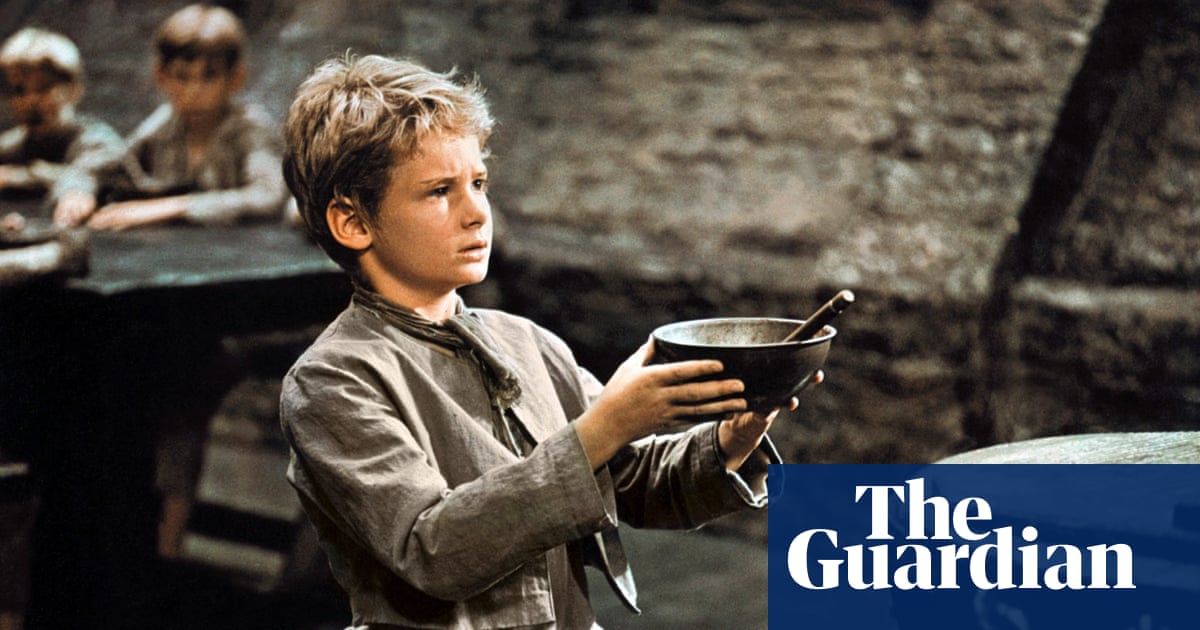
Another local magistrate argued that Alice Shepherd, a thin spare woman apparently suffering from consumption, was the last person to whom such punishment should have been inflicted.
Musgrove sees striking parallels
Musgrove told the Guardian: When you read the report of her punishment, it is almost, word for word, like a description of Oliver Twist when he is punished after asking for more.
“When you read the report of her punishment, it is almost, word for word, like a description of Oliver Twist when he is punished after asking for more.”
Dickens began Oliver Twist weeks later
In mid-January, within weeks of Alice Shepherd's story being reported, Dickens wrote to his publisher Bentley that he had hit upon a capital notion for himself. The first chapters were published in February eighteen thirty-seven.
Dickens knew Hendon well
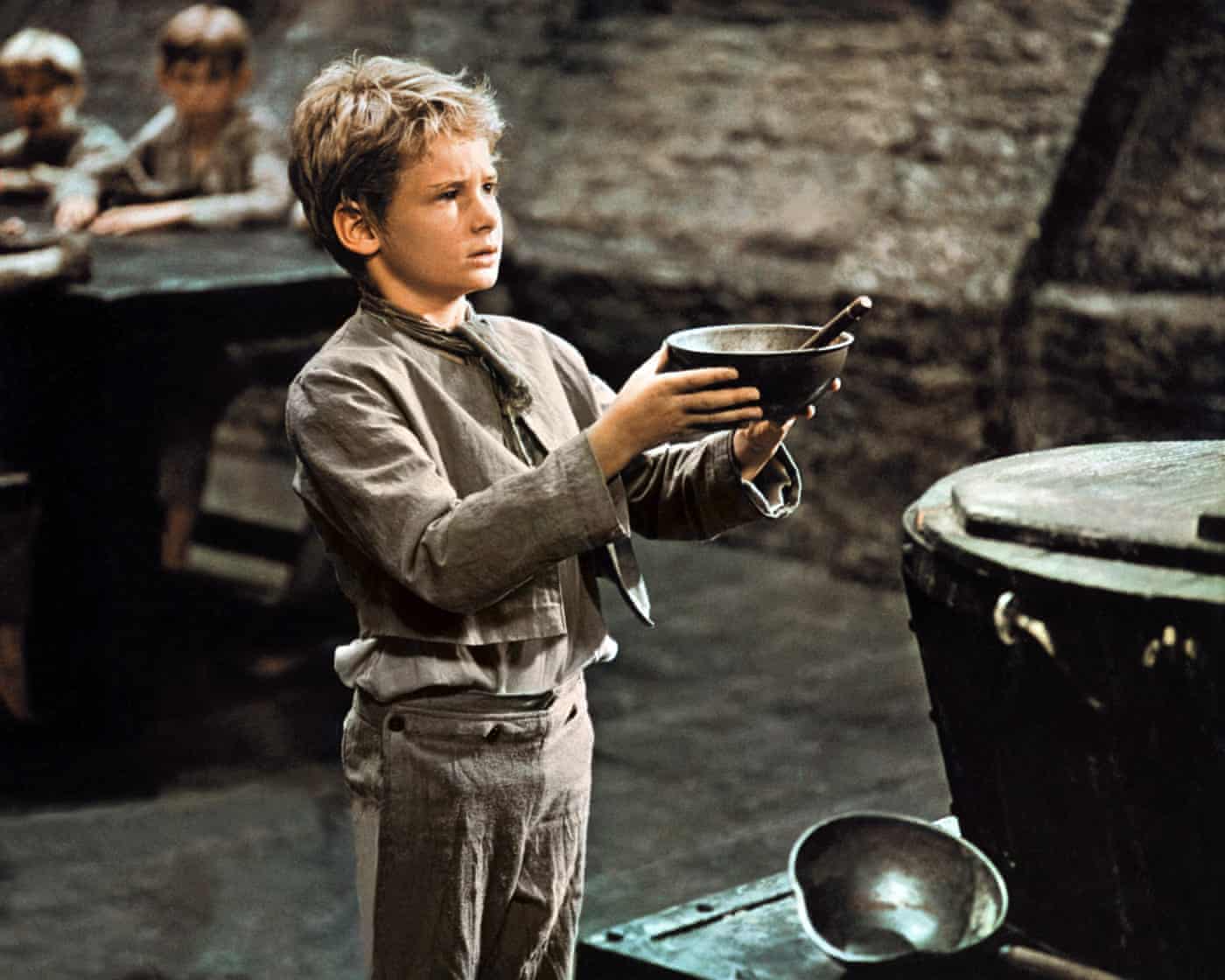
Hendon and Barnet are mentioned in Oliver Twist. Dickens's letters and journalism reveal knowledge of Hendon and fondness for the area, which was within walking or riding distance of the city.
Expert calls inspiration perfectly feasible
Leon Litvack, a leading Dickens expert and professor of Victorian studies at Queen's University Belfast, said it was perfectly feasible that Dickens was inspired by Alice Shepherd through newspaper reports.
The short version
A Dickens biographer has discovered newspaper records of Alice Shepherd, a workhouse pauper severely punished in eighteen thirty-six for requesting a walk, suggesting she may have inspired Oliver Twist.





