From the Guardian · · 3m
Europe splits over whether to call Putin
Nordic leaders' phone call to the Russian president exposes deep divisions over how Europe should engage with Moscow.
In brief
Nordic leaders' phone call to the Russian president exposes deep divisions over how Europe should engage with Moscow. Finland and Norway's direct call to Putin drew criticism from Denmark and Sweden, revealing Europe's struggle to agree on whether and how to negotiate with Moscow. Originally reported by the Guardian.
Nordic allies break ranks over Putin call
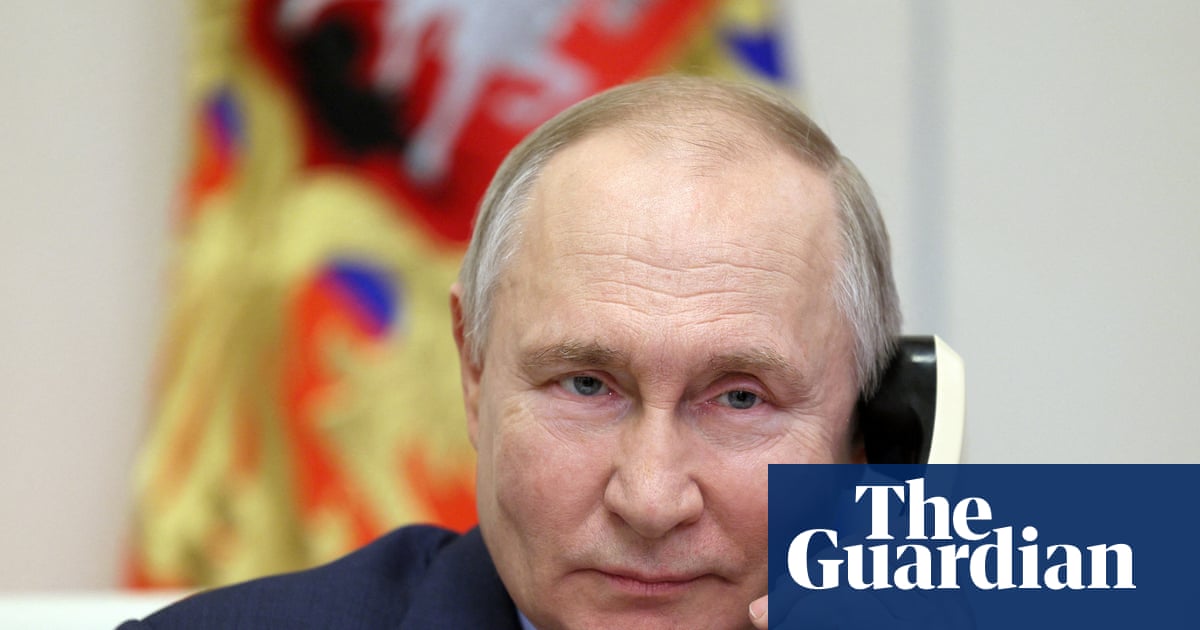
Finland's president Alexander Stubb and Norway's prime minister Jonas Gahr Støre spoke with Vladimir Putin in a rare high-level conversation this week. Denmark and Sweden criticised the initiative.
Denmark and Sweden were not informed
Denmark's prime minister Mette Frederiksen said she was very sceptical about the independent initiative and complained the call had not been coordinated with Copenhagen. Sweden's prime minister Ulf Kristersson also criticised it.
“I am very sceptical about this independent initiative by Norway and Finland.”
A serious rift by Nordic standards
Arkady Moshes, director of the Russia programme at the Finnish Institute of International Affairs, said the divisions showed Europe was not a firmly united group. By Nordic standards, it was pretty serious.
“Instead of looking like a firmly united, homogeneous group, we see a rift.”
Europe seeks a single negotiator
Since the summer, European leaders have discussed whether to appoint a representative to negotiate directly with Moscow on ending the war in Ukraine.The debate has grown more urgent as Donald Trump moved closer to Moscow.
Peace talks expected in Abu Dhabi
A new round of peace talks is expected to take place in Abu Dhabi next month. European governments are anxious about being sidelined in negotiations that could shape the continent's security for decades.
Too many leaders want to negotiate
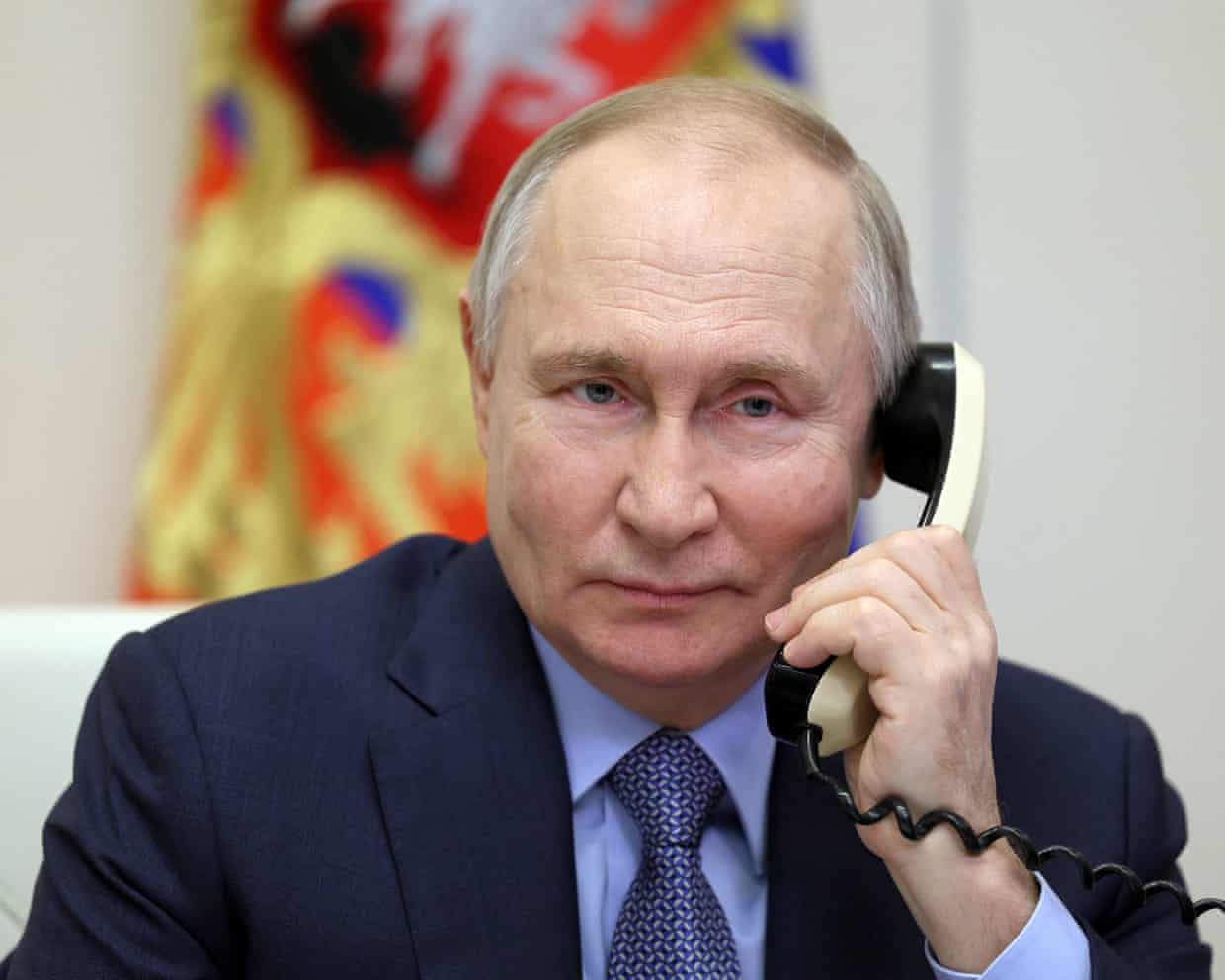
A senior European diplomat said there is agreement that Europe needs to talk to Putin, but the outreach is starting to feel like a free-for-all.
“There is an agreement overall that we need to talk to Putin, but the outreach is starting to feel like a free-for-all.”
Multiple European channels to Moscow
This year, British, French and German ambassadors have held talks with Russian officials. Emmanuel Macron's senior diplomatic adviser has travelled to Moscow, and the office of European Council president António Costa has pursued its own…
A shift from 2022 isolation
After Russia's full-scale invasion of Ukraine in 2022, most European leaders largely shunned direct contact with the Kremlin.
Confusion over the call's purpose
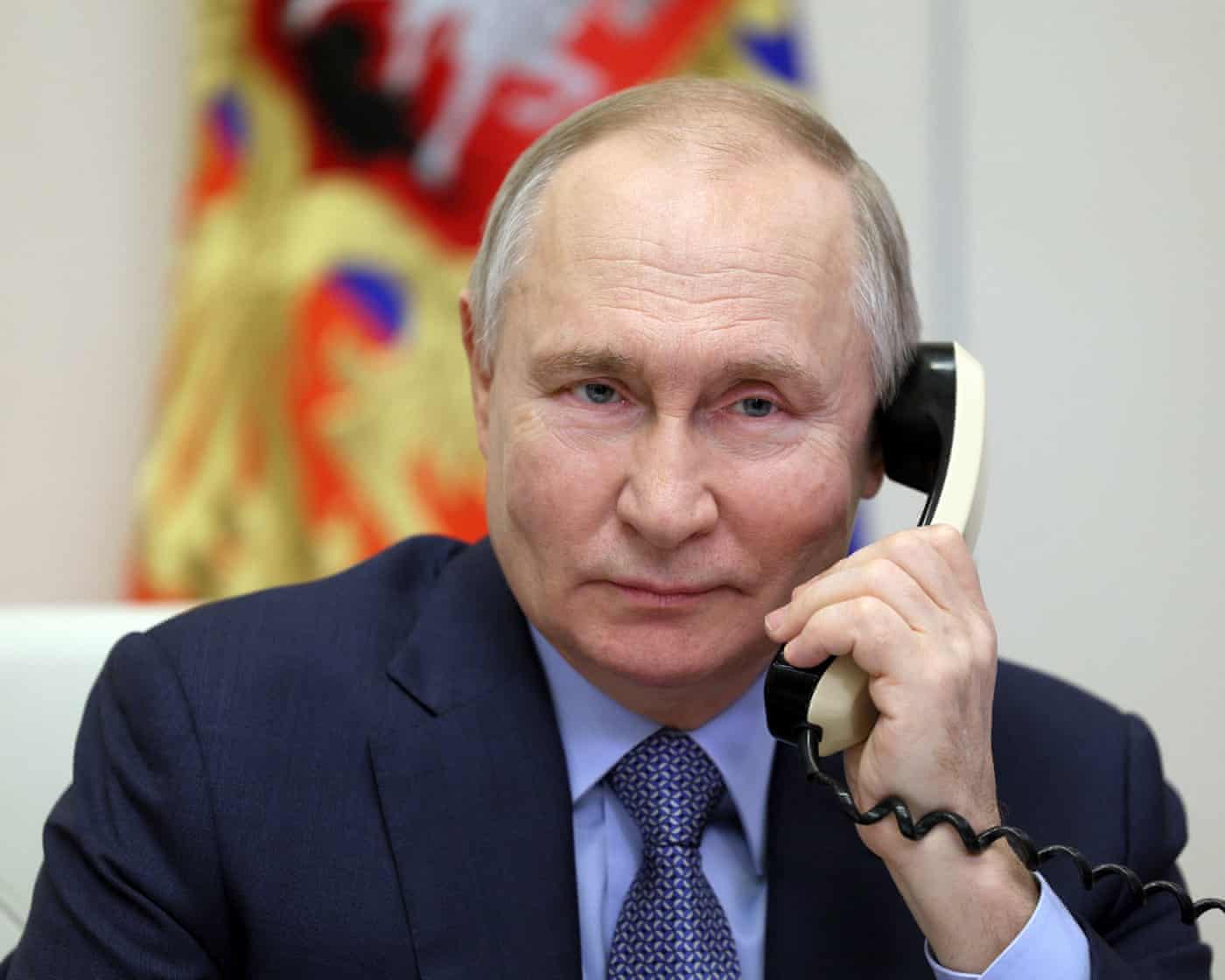
The call was initially framed as conveying Ukrainian messages to Putin, but appeared to have broader aims.Støre cited managing fish stocks in the Barents Sea and border security.Stubb said it was to prevent misunderstandings.
Different views on how to approach Russia
Kristi Raik, director of ICDS, an Estonian thinktank, said Europe has good unity on substance but different views on when to reopen dialogue and who should do it.France has long advocated keeping a channel open.
No single EU representative has mandate
Kaja Kallas, the EU's foreign policy chief, could theoretically lead negotiations but lacks independent authority without a mandate from member states.
Call for a unified European approach
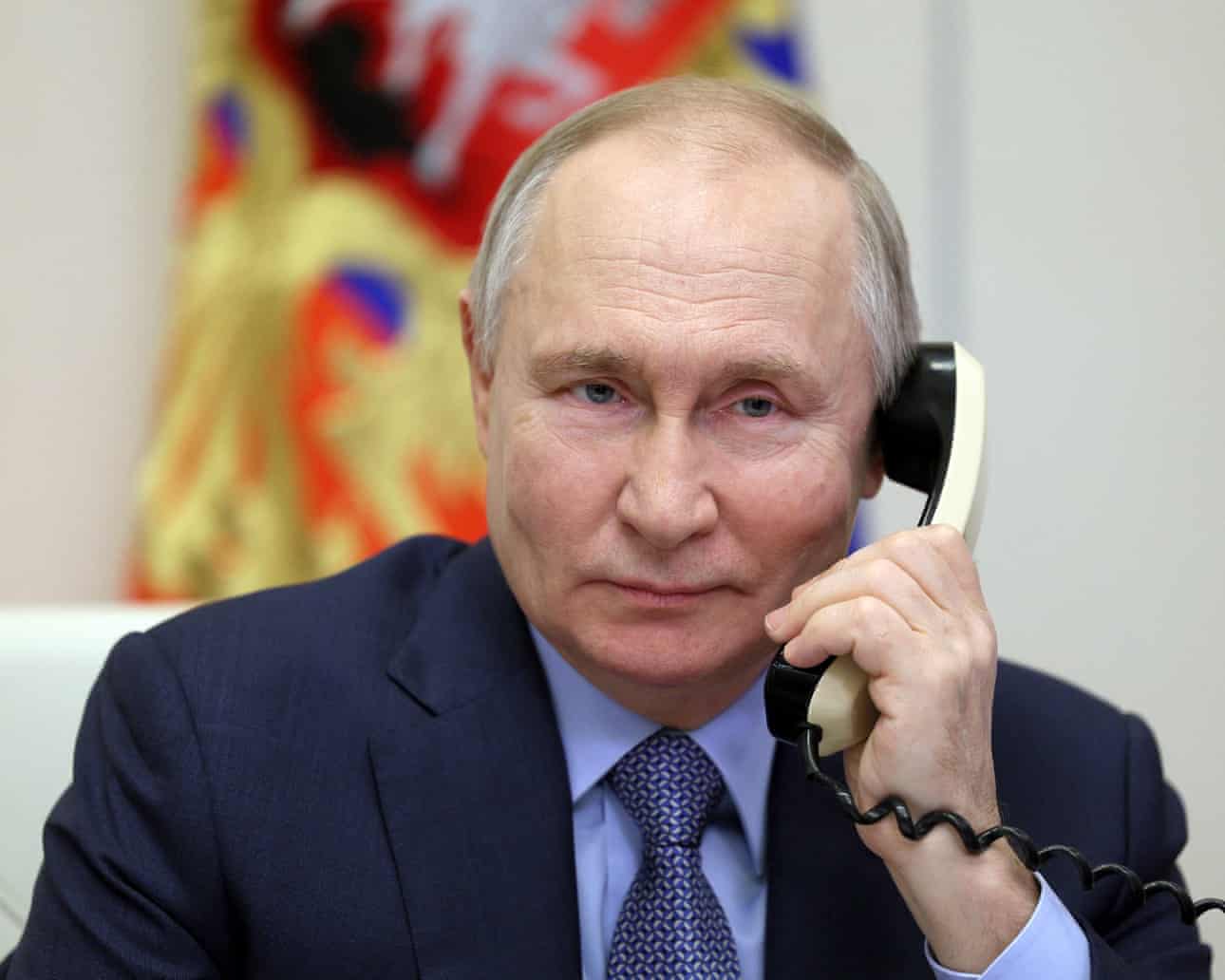
Reinier van Lanschot, a Dutch member of the European parliament, has called on EU leaders to convene a summit and agree on a single representative to engage with Putin.But reaching unanimous agreement would be difficult.
“The EU must speak with one voice, and Ukraine must always be involved.”
More leaders may now call Putin
Joel Linnainmäki, a former Finnish diplomat, said this week's Nordic initiative could encourage more European politicians to establish their own channels to Moscow. Other countries may now ask why they should not call Putin too.
Putin shows no sign of compromise
Putin spent part of the conversation lecturing the Nordic leaders on medieval Slavic history, repeating pseudo-historical arguments used to question Ukraine's right to exist.
“It doesn't mean we are moving anywhere towards a ceasefire, let alone peace, because it's clear that Putin's plan A is a military defeat of Ukraine.”
What it means
Finland and Norway's direct call to Putin drew criticism from Denmark and Sweden, revealing Europe's struggle to agree on whether and how to negotiate with Moscow.