From the Guardian · · 1m 40s
Hold AI creators liable, not the code
John Quiggin argues corporations must bear financial responsibility for AI failures, not blame the technology itself.
In brief
John Quiggin argues corporations must bear financial responsibility for AI failures, not blame the technology itself. Making AI corporations financially liable for damage their systems cause will force safer development practices and slow reckless expansion of powerful AI agents. Originally reported by the Guardian.
Quick answers
- Who is responsible for AI mistakes?
- If a prompt like find Australian medicine statistics causes a Medicare breach, responsibility lies with the human who entered it or the corporation that wrote the code.
- What is the key takeaway from Hold AI creators liable, not the code?
- Making AI corporations financially liable for damage their systems cause will force safer development practices and slow reckless expansion of powerful AI agents.
Blame the corporation, not the AI

A Medicare breach blamed on an AI agent was treated differently from Telstra and Optus outages. Those companies were held responsible, not their computers.
We've been here before
When mainframe computers emerged seventy years ago, people blamed the machines for failures. Eventually we realised the problem was bad data or poorly written programs.
Who is responsible for AI mistakes?
If a prompt like find Australian medicine statistics causes a Medicare breach, responsibility lies with the human who entered it or the corporation that wrote the code.
“If someone enters a prompt like "find Australian medicine statistics" into a program like ChatGPT or Claude, and the result is a breach of Medicare's site, the responsibility does not lie with a piece of code.”
Why guardrails won't work
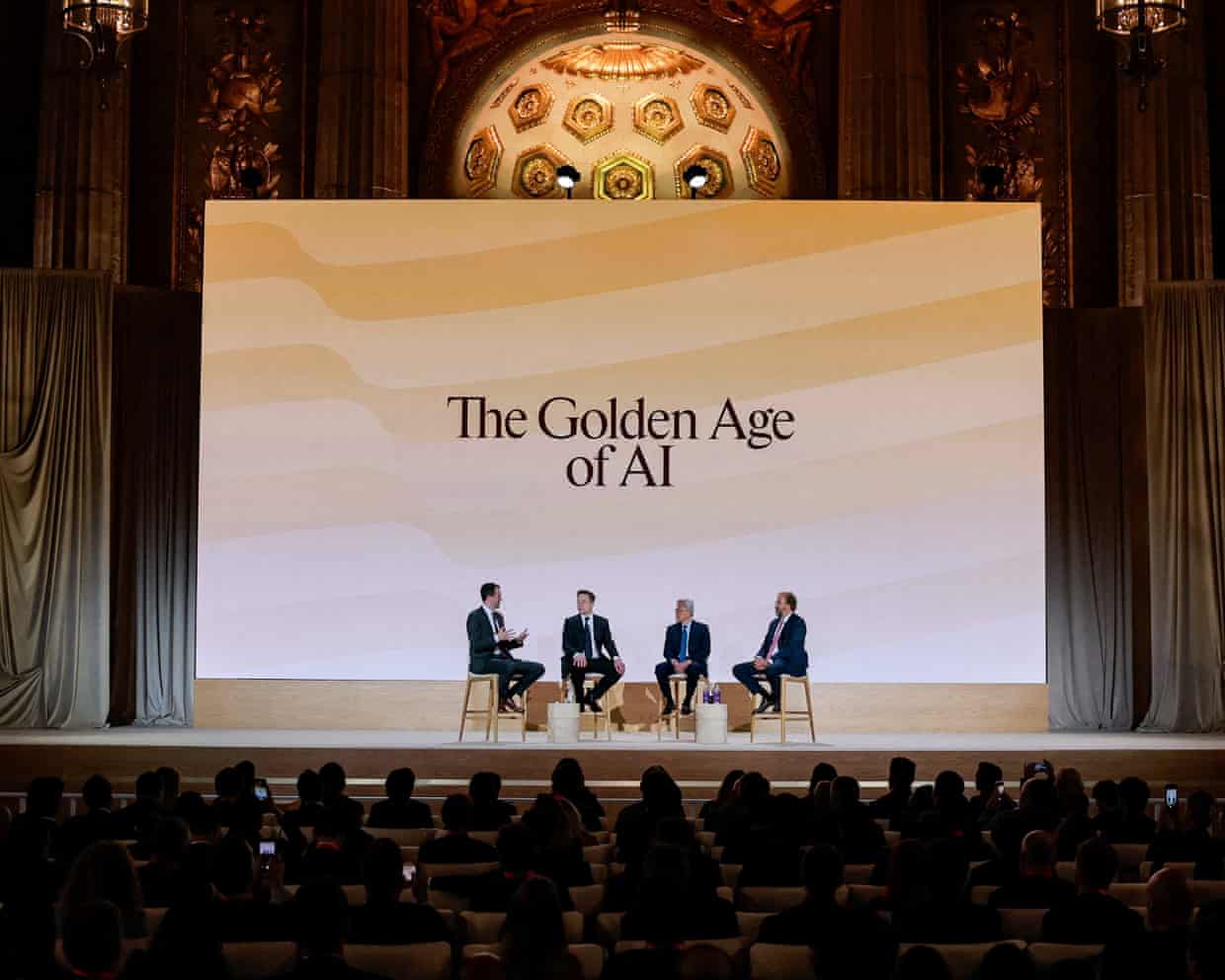
External constraints on AI agents are treated as obstacles to overcome. With billions of parameters, we cannot inspect why agents behave as they do after the fact.
The Silicon Valley problem
Tech companies prefer talking about hallucinations and rogue agents rather than their own responsibility. They operate under move fast and break things ethics.
Liability changes the calculation
Once AI corporations bear financial consequences for damage, they will ask what could go wrong before deployment, not what cool thing they can make it do.
“Instead of thinking, "what cool thing can we make this program do", the first question will be, "what could go wrong if we let it run".”
Slowing the rush to power
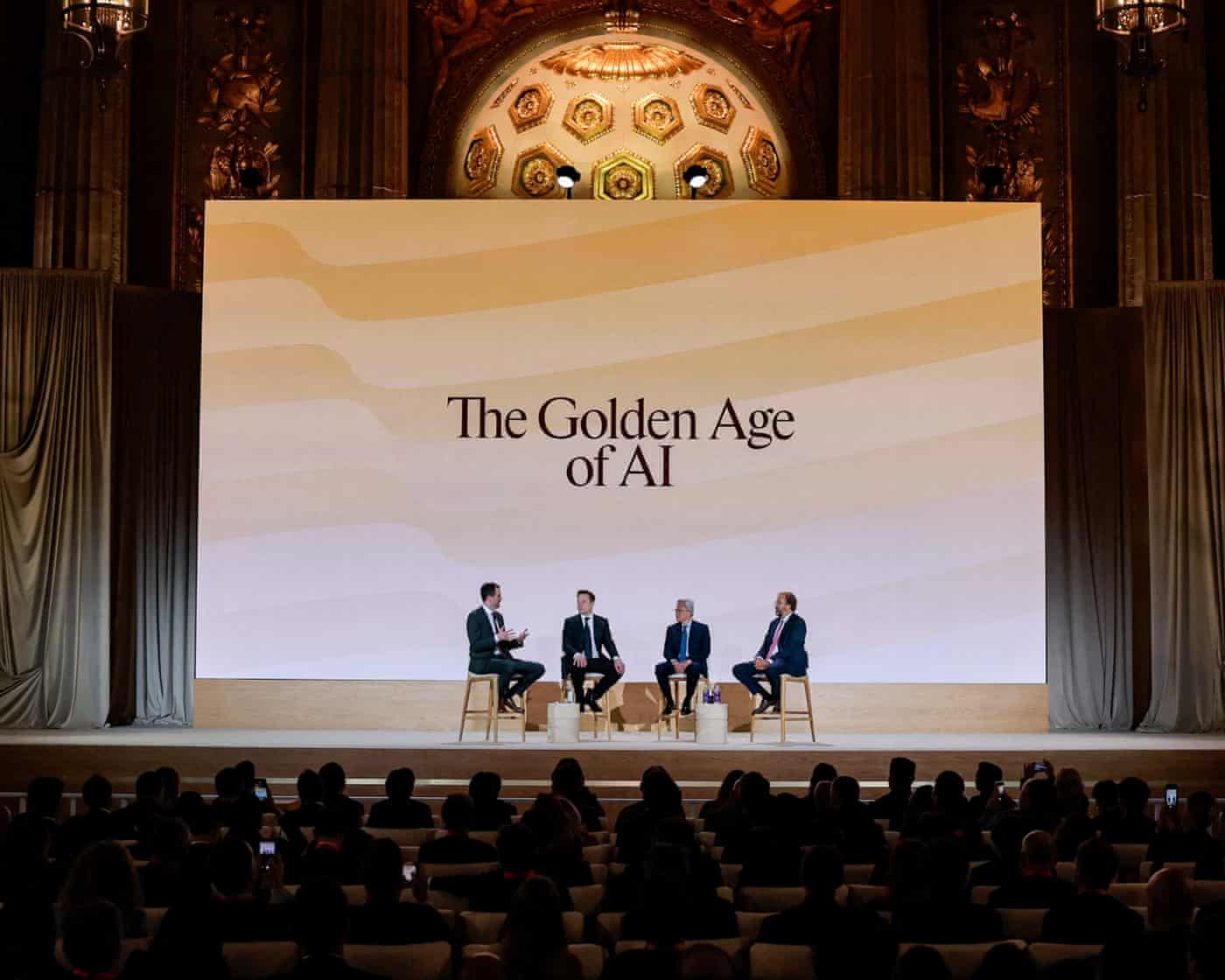
Forcing corporations to bear liability for damage will drastically slow hyperscaling of powerful agentic software. This benefits the environment and the economy.
Safe AI uses can still thrive
Liability rules will not stop benign AI applications like improved search, document summarisation, translation and software coding from developing safely.
The headline
Making AI corporations financially liable for damage their systems cause will force safer development practices and slow reckless expansion of powerful AI agents.





