From the Guardian · · 3m
Humpback whales hit by boats on Australia's migration route
Images show propeller injuries to whales as populations boom and vessel strikes rise along the east coast.
In brief
Images show propeller injuries to whales as populations boom and vessel strikes rise along the east coast. Humpback whales migrating along Australia's east coast face growing injury from boat and propeller strikes as their recovered population swells to between forty thousand and fifty thousand annually. Originally…
Whales scarred by propellers
Images gathered by WWF Australia show humpback whales along the east coast with deep cuts, missing tail parts and spine injuries from boat and propeller strikes.
A calf's fresh wounds
Last month in Hervey Bay, Queensland, Isabel Taylor, a senior naturalist with Pacific Whale Foundation's whale-watching tours, saw a calf with fresh slash marks from a boat propeller on its back.
“The mood on the boat changed a bit.”
Bladerunner's long injury
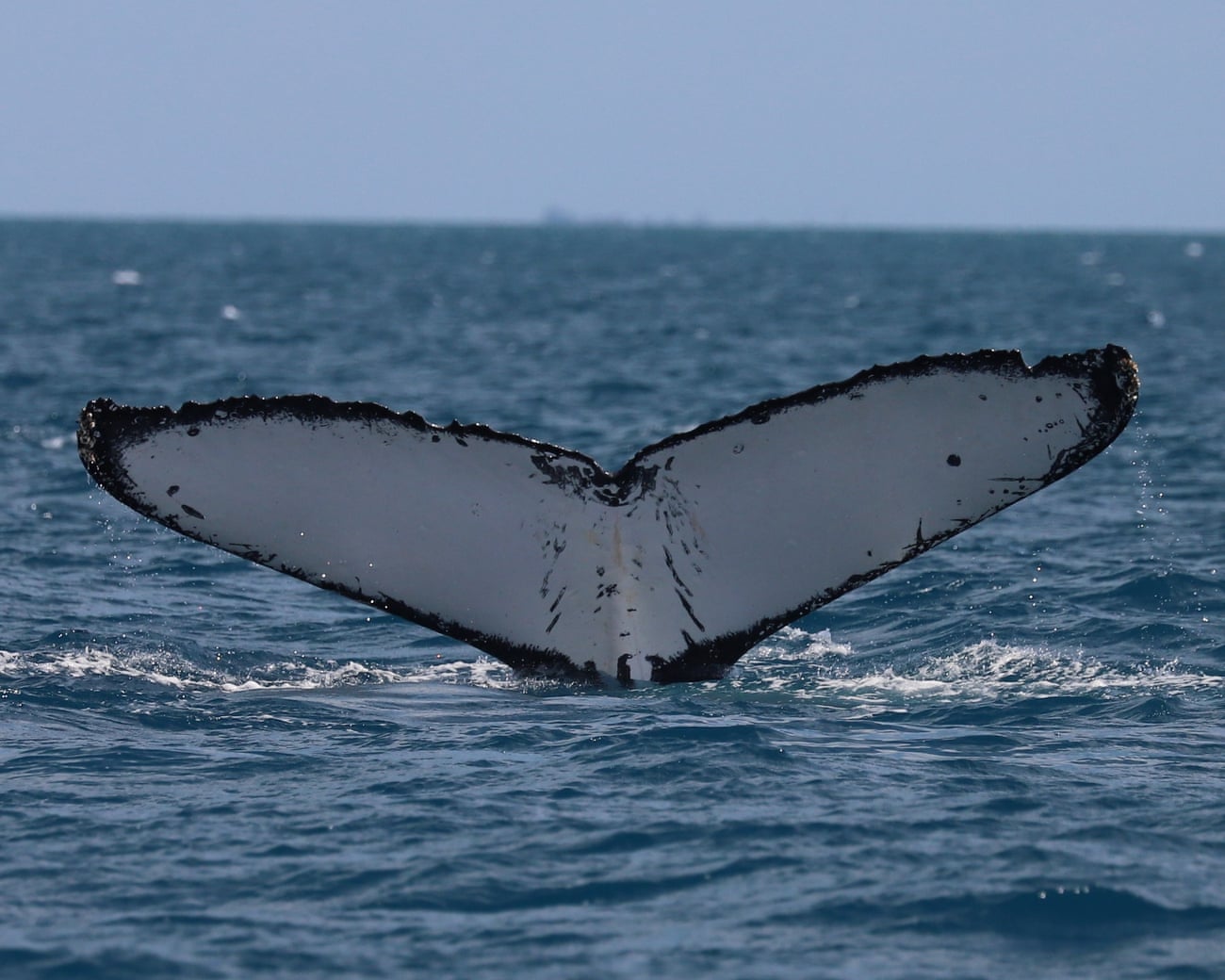
A female humpback known as bladerunner has deep slashes from a propeller blade on her back and tail thought to have been sustained more than twenty years ago, shown in an image from two thousand twenty-four.
Why whales cannot escape
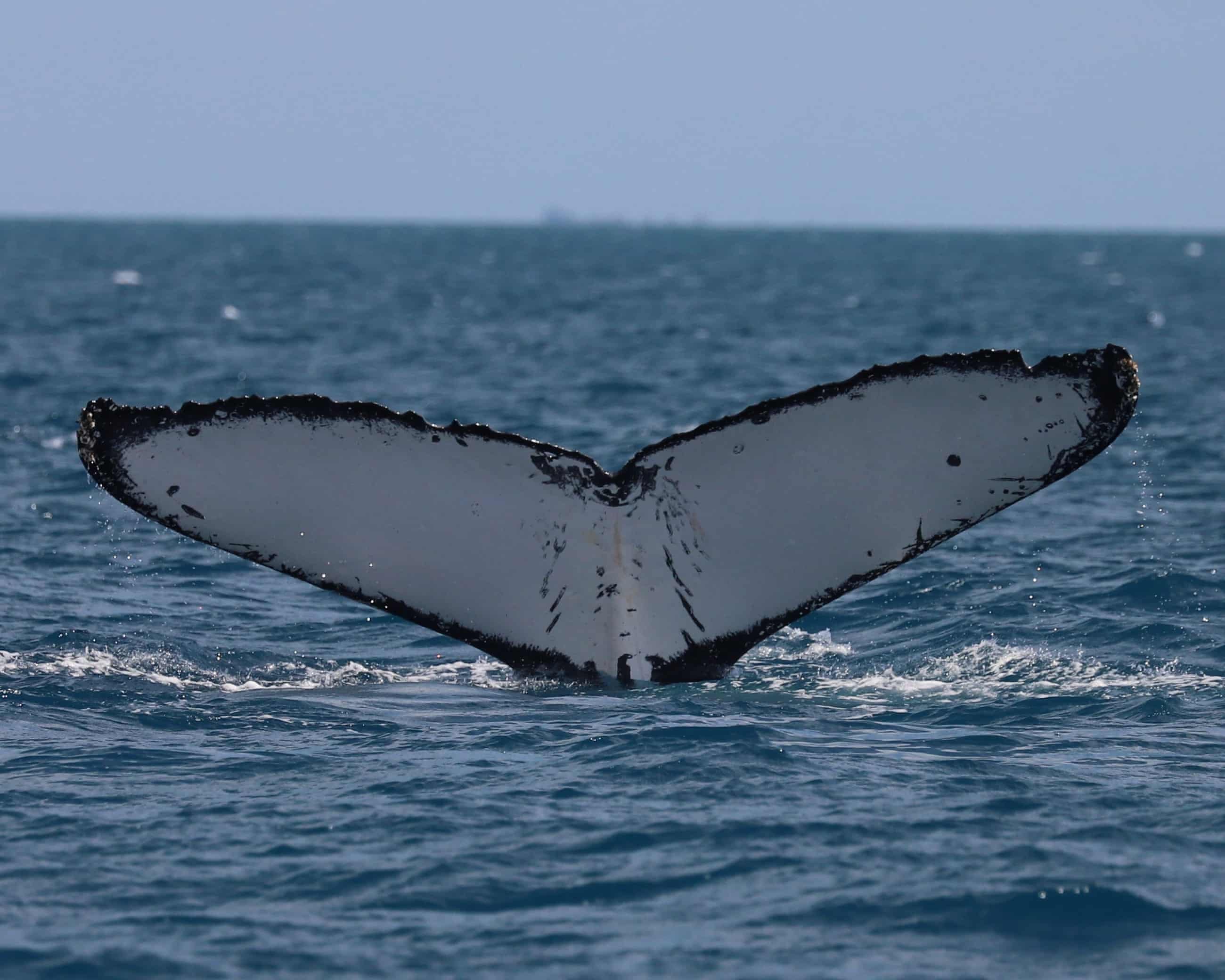
Rebecca Dunlop, an associate professor and humpback expert at the University of Queensland, says migrating humpbacks surface like clockwork and cannot change their dive and travel behaviour to avoid boats approaching at speed.
From near extinction to boom
The International Whaling Commission banned humpback whaling in the southern hemisphere in nineteen sixty-three. Estimates from the nineteen sixties put their numbers off Australia's east coast at less than three hundred.
Population recovery accelerates
By two thousand four, east coast humpbacks numbered seven thousand eight hundred. By two thousand fifteen, their numbers had more than trebled to twenty-five thousand five hundred.
Millions of boats at sea
Estimates now suggest between forty thousand and fifty thousand whales migrate up and down Australia's coast each year. One in ten Australians have a boat licence and more than half a million registered boats are in Queensland and New South Wales.
Most collisions go unreported
The International Whaling Commission says globally most collisions go unseen and unreported. On Friday it passed a resolution to work with all parties to reduce vessel strikes, which the meeting agreed was a priority concern.
“most collisions go unseen and unreported”
Success story at risk
Chris Johnson, WWF's global lead on whale protection initiatives, says humpbacks have been one of the great conservation success stories but along Australia's humpback highway there is growing risk for them to be hit by vessels.
“Humpbacks have been one of the great conservation success stories. But along Australia's humpback highway, there's growing risk for them to be hit by vessels.”
Long-term damage from injury
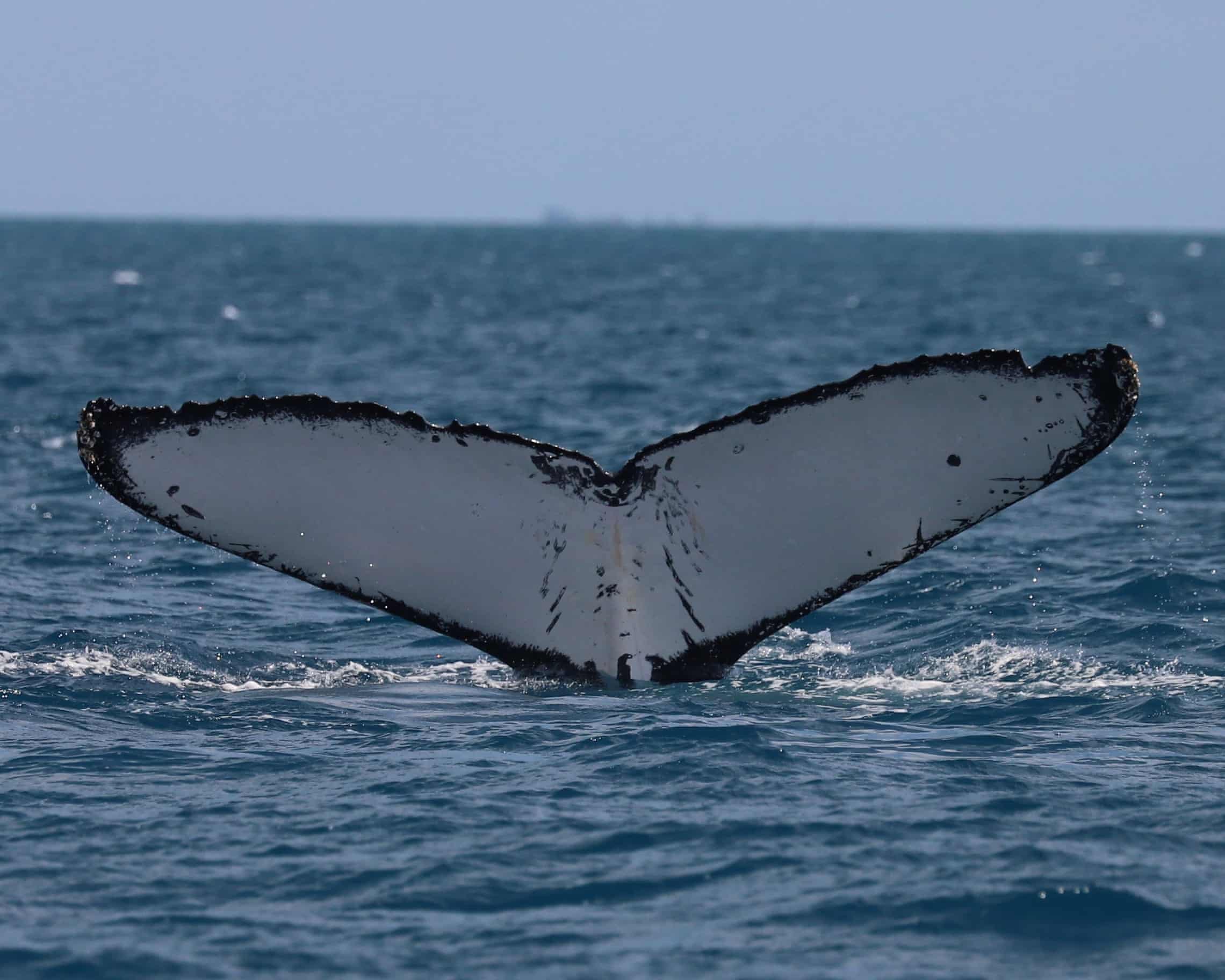
Dr Raphael Mayaud, a marine ecologist at Griffith University, says a strike does not have to kill a whale to have serious impact. Losing part of its tail makes swimming less efficient and more energetically costly.
“The big thing is that a strike doesn't have to kill a whale to have a serious impact.”
Cascading effects on survival
Injuries can have knock-on effects on migration, feeding, body condition and potentially reproduction. Whales may carry the effects of injury for years afterwards, including immediate trauma, pain, blood loss and infection.
Solutions being tested
Experts say cutting speed limits for vessels along migration routes and making boats more aware of risky places and times would help. In California, shipping companies compete on public scorecards for sticking to speed limits during high-risk periods.
The big picture
Humpback whales migrating along Australia's east coast face growing injury from boat and propeller strikes as their recovered population swells to between forty thousand and fifty thousand annually.





