From the Guardian · · 4m
Jersey's tax haven boom leaves islanders behind
As global wealth floods into the Channel Island, locals struggle with rising costs and food bank use triples, while the government doubles down on finance.
In brief
As global wealth floods into the Channel Island, locals struggle with rising costs and food bank use triples, while the government doubles down on finance. Jersey's transformation into a tax haven has enriched the island's economy but priced out locals and damaged its reputation, forcing the government to diversify…
A nine-by-five-mile island transformed
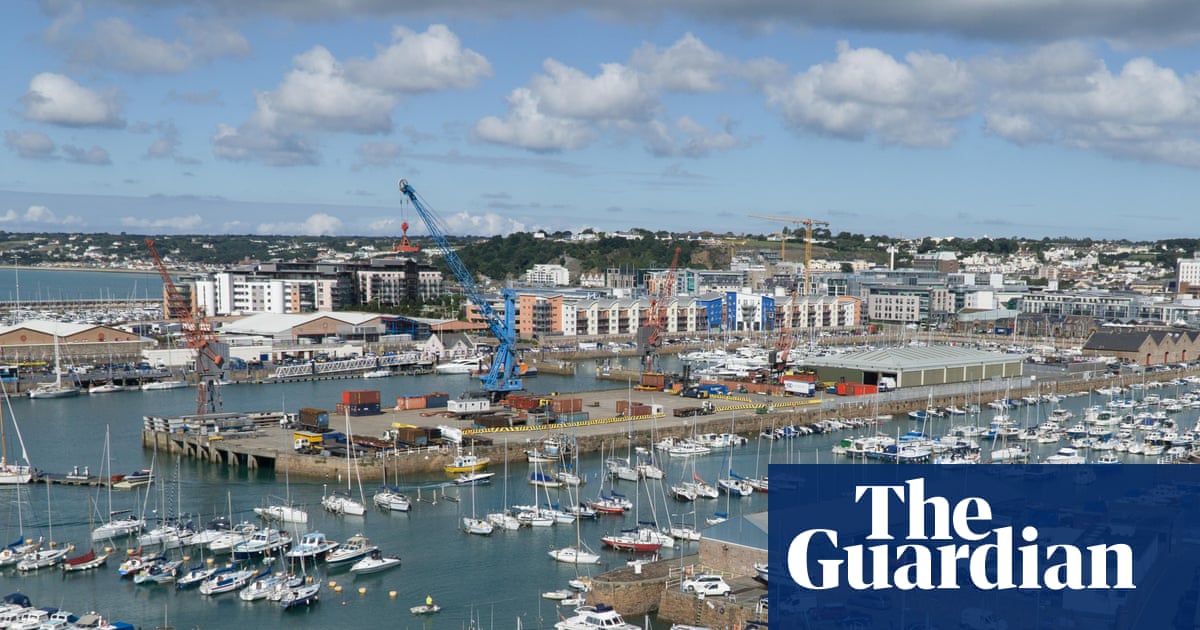
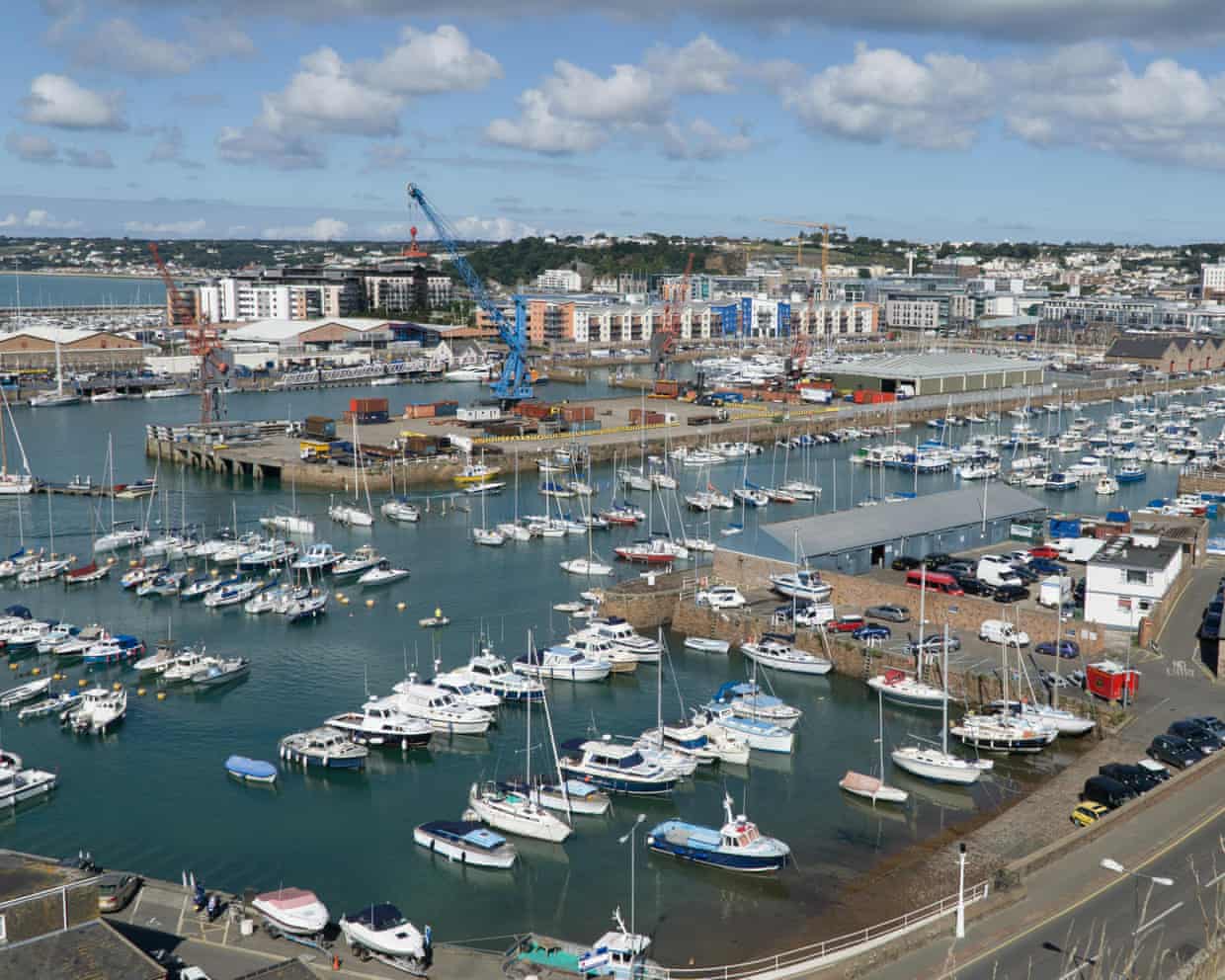
Jersey in the Channel Islands has become home to global accountancy firms and international banks. The offshore finance industry is worth four billion pounds and dominates the island's economy.
Finance now drives everything
Bankers, accountants and lawyers make up more than half of Jersey's economic output and two in every five jobs. The island's 104,500 population has a GDP per head nearly 60 percent higher than the UK.
Low taxes and secrecy lured the wealth
For decades, Jersey has attracted global billionaires and multinational companies with low taxes and corporate secrecy. The island consistently ranks in the top ten of the Tax Justice Network's international tax haven rankings.
Data leaks damaged the reputation
The Panama and Paradise papers data leaks exposed how elites were hiding wealth in offshore hubs such as Jersey. The revelations shone a light on the island's role in global wealth concealment.
Competition is eating Jersey's lunch
Foreign governments have replicated Jersey's tax haven model and are now threatening its dominance. A government-backed review led by NatWest Group's former chair Howard Davies warned in March that Jersey's future success is at risk.
“Without urgent intervention, Jersey's future success as a financial centre is at risk, with inevitable repercussions for the Jersey way of life.”
The government's four-year plan
Jersey's government is spending 31 million pounds over four years to slash red tape, boost the island's global profile and diversify into crypto assets. The report warns that standing still means falling behind.
“The risk of complacency is real. Standing still means falling behind.”
Jersey's boom and bust history
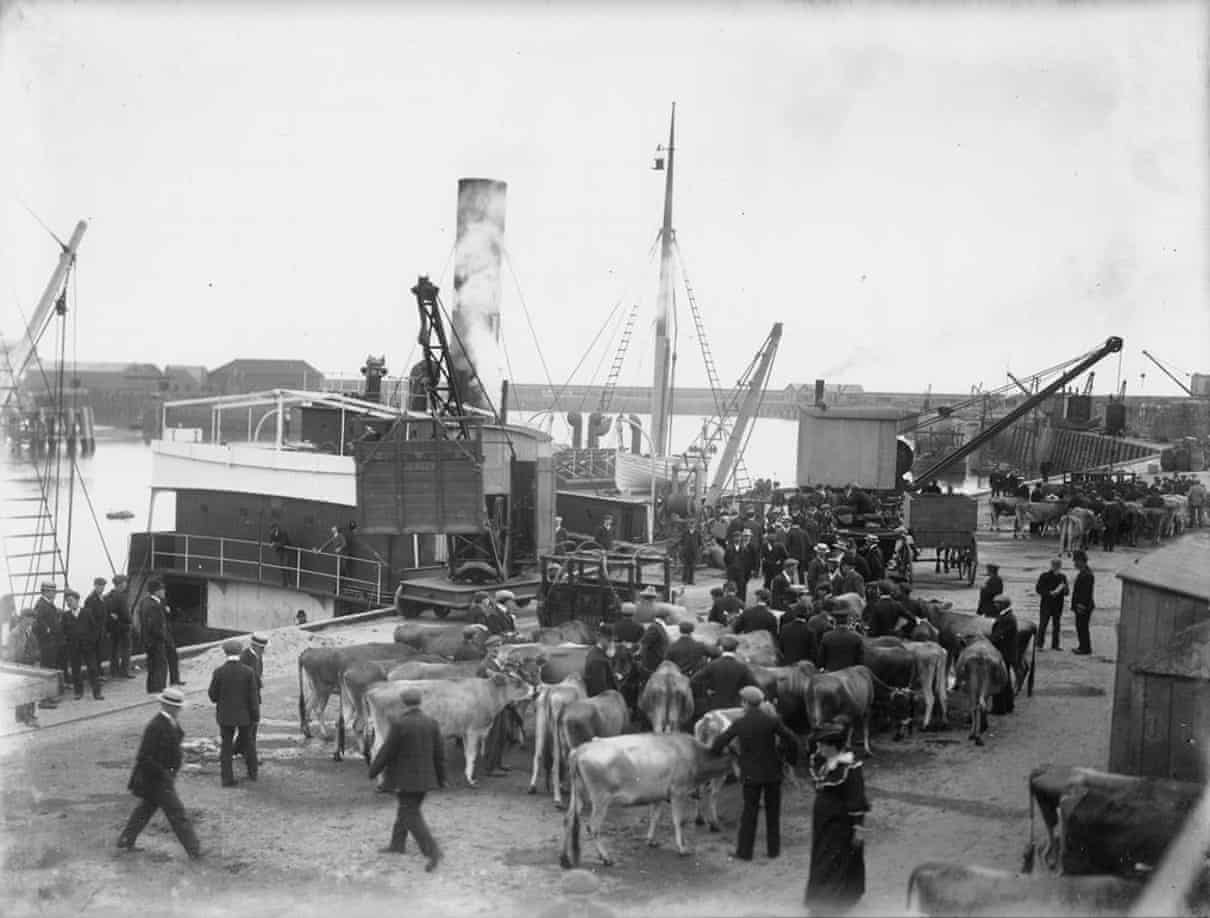
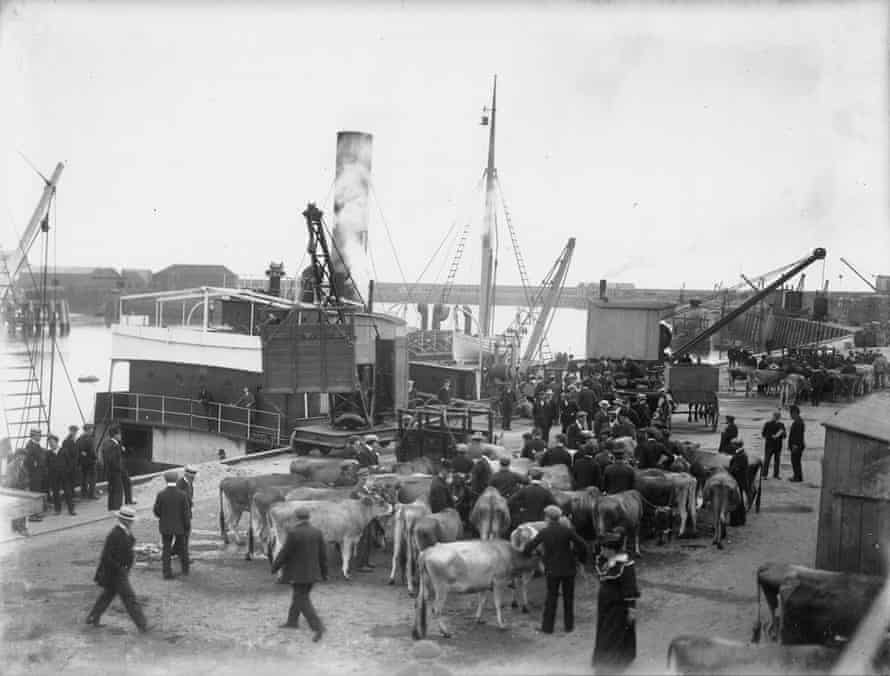
Jersey has faced economic crossroads before. The island's industries have cycled from fine knitting to oyster catching, shipbuilding, Jersey cows and potatoes, each boom eventually ending.
Tourism once drove the economy
After World War Two, Jersey recovered through tourism, aided by the popularity of the Bergerac detective series. That industry was eventually ruined by discount airlines offering cheap holidays to sunnier European destinations.
The tax package that attracts wealth
Jersey offers zero inheritance or capital gains tax and no corporation tax outside financial services, which pay just 10 percent. High-earning bankers, lawyers and accountants face a maximum 20 percent income tax, compared with 45 percent in London.
Wealthy clients are now selective
Wealthy Britons are choosing Dubai over Jersey's low-rise seaside towns. Rich families overseas are spreading cash across multiple offshore hubs. Joe Moynihan, chief executive of Jersey Finance, says people now avoid jurisdictions that could damage their reputation.
“People now are much more selective about the jurisdictions that they deal with.”
St Helier is unrecognisable
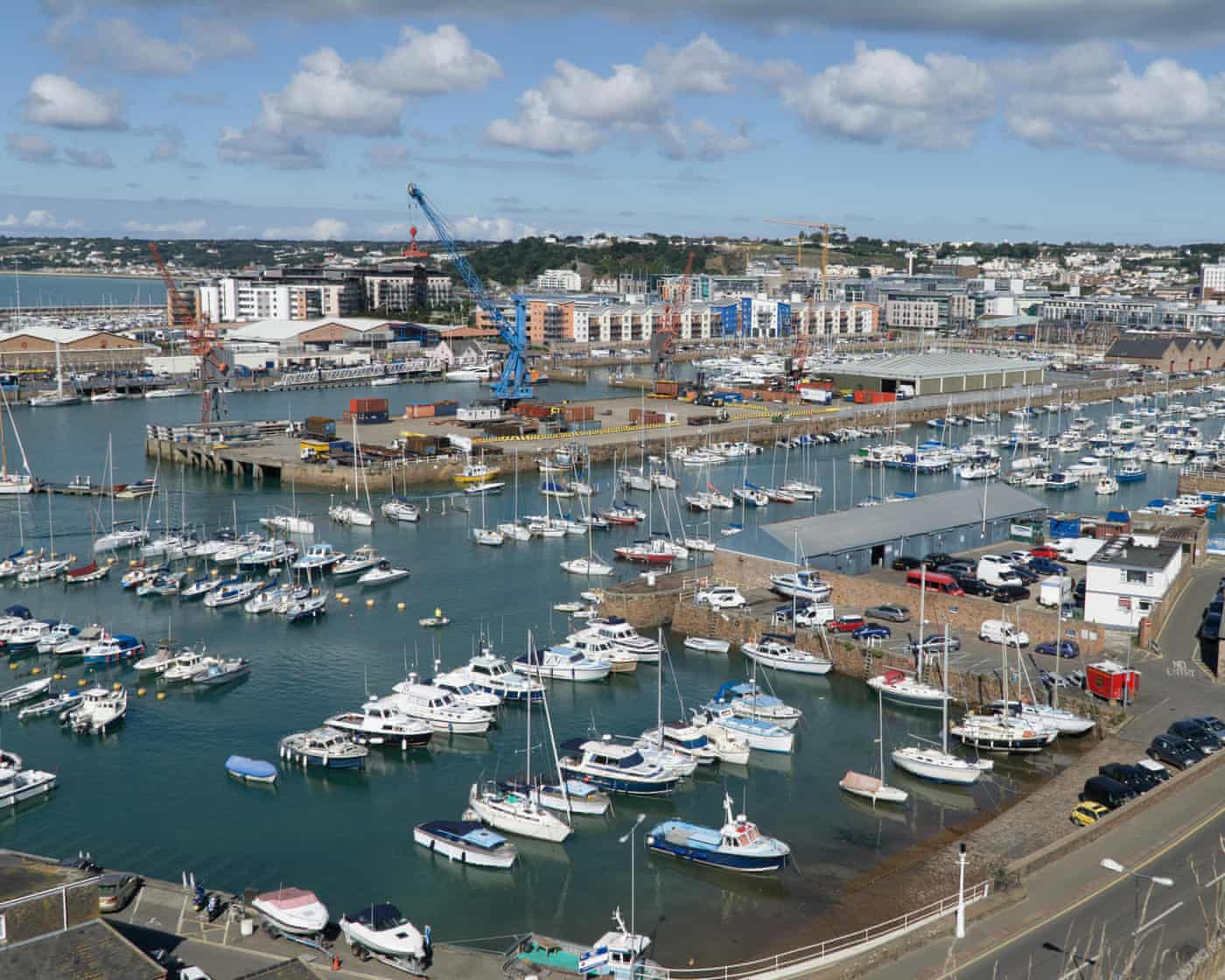
Laura Craig, who has lived in Jersey for 45 years, says the old granite-fronted waterfront has been reclaimed and built up for the finance industry. All the big buildings are now banks and finance houses, she says.
“It's unrecognisable to when I was a little girl. All the big buildings on there now are banks and finance houses.”
House prices have soared
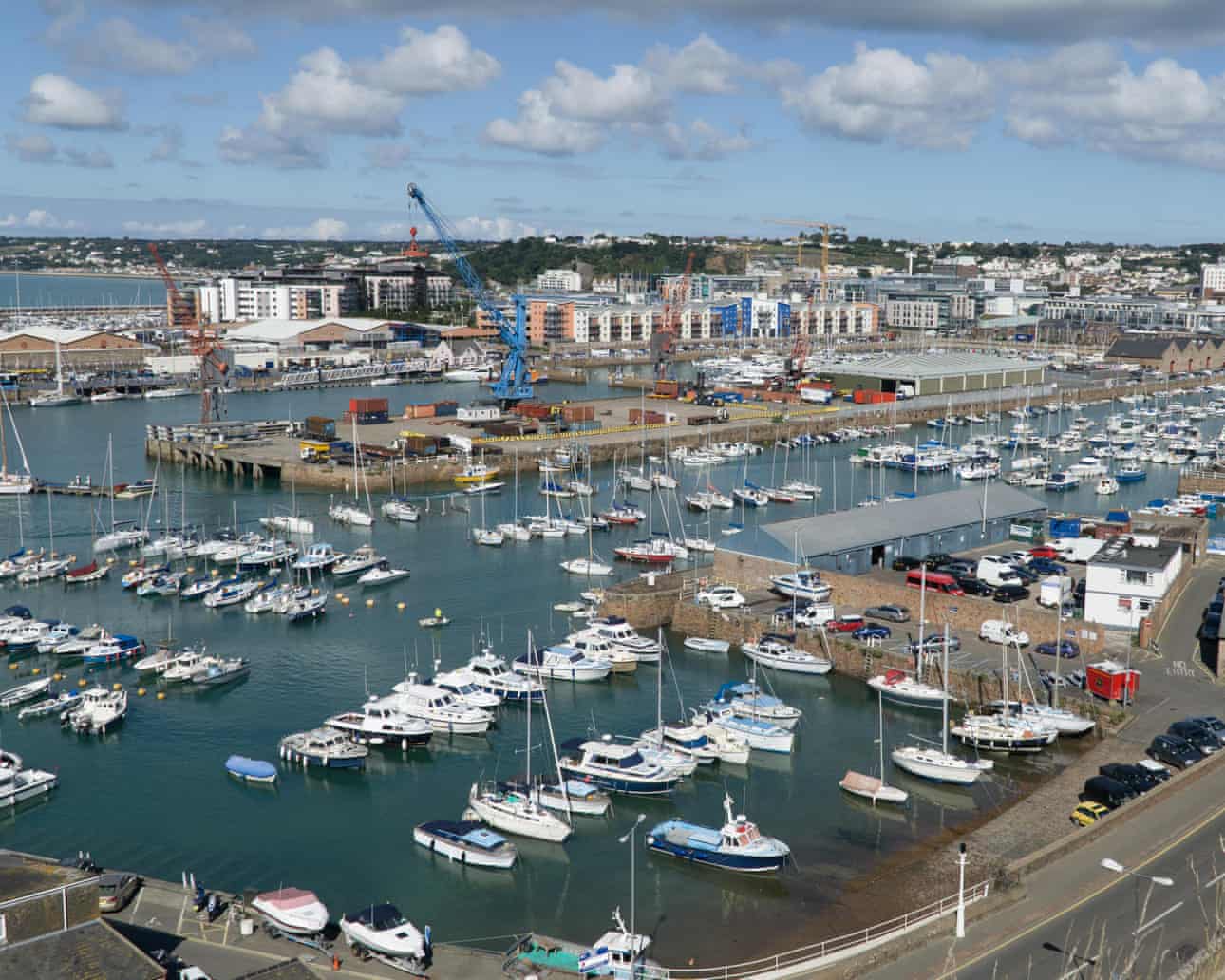
The influx of wealthy bankers has pushed up house prices across the tiny island, just 14 miles off the coast of France. Antonio De'Lemos, co-owner of an antiques shop, says bankers increase the cost of living for everybody.
“They just increase the cost of living for everybody.”
Food bank use has tripled
While Jersey's authorities worry about losing billionaires to Singapore and Dubai, many islanders struggle to make ends meet. The number of food bank users tripled in the three years to 2024, and demand has continued.
Charity workers see the divide
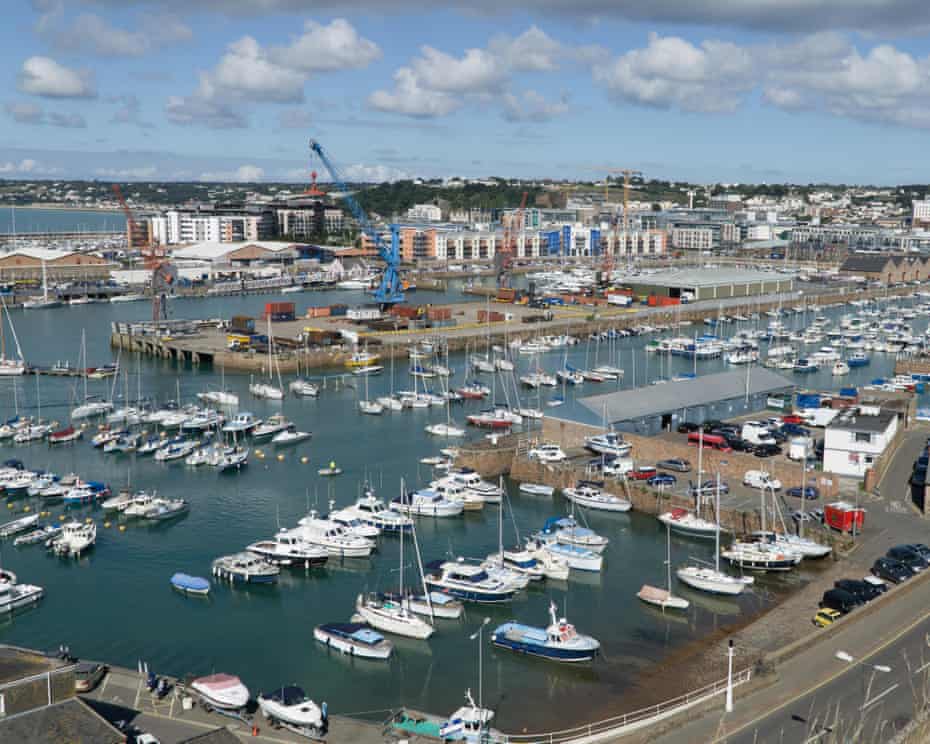
Vini Jones, general manager of the Grace Trust charity, prepares free weekly meals for struggling locals. He says people can work in Jersey's financial district and have no idea what life is like for many islanders.
“You can move here, you can get a job, you could send your kids to school, you can go to your office at the weekends, you go to the beach, and you can have absolutely no idea or concept of what it's actually like for a lot of people who live in Jersey.”
Islanders depend on finance despite doubts
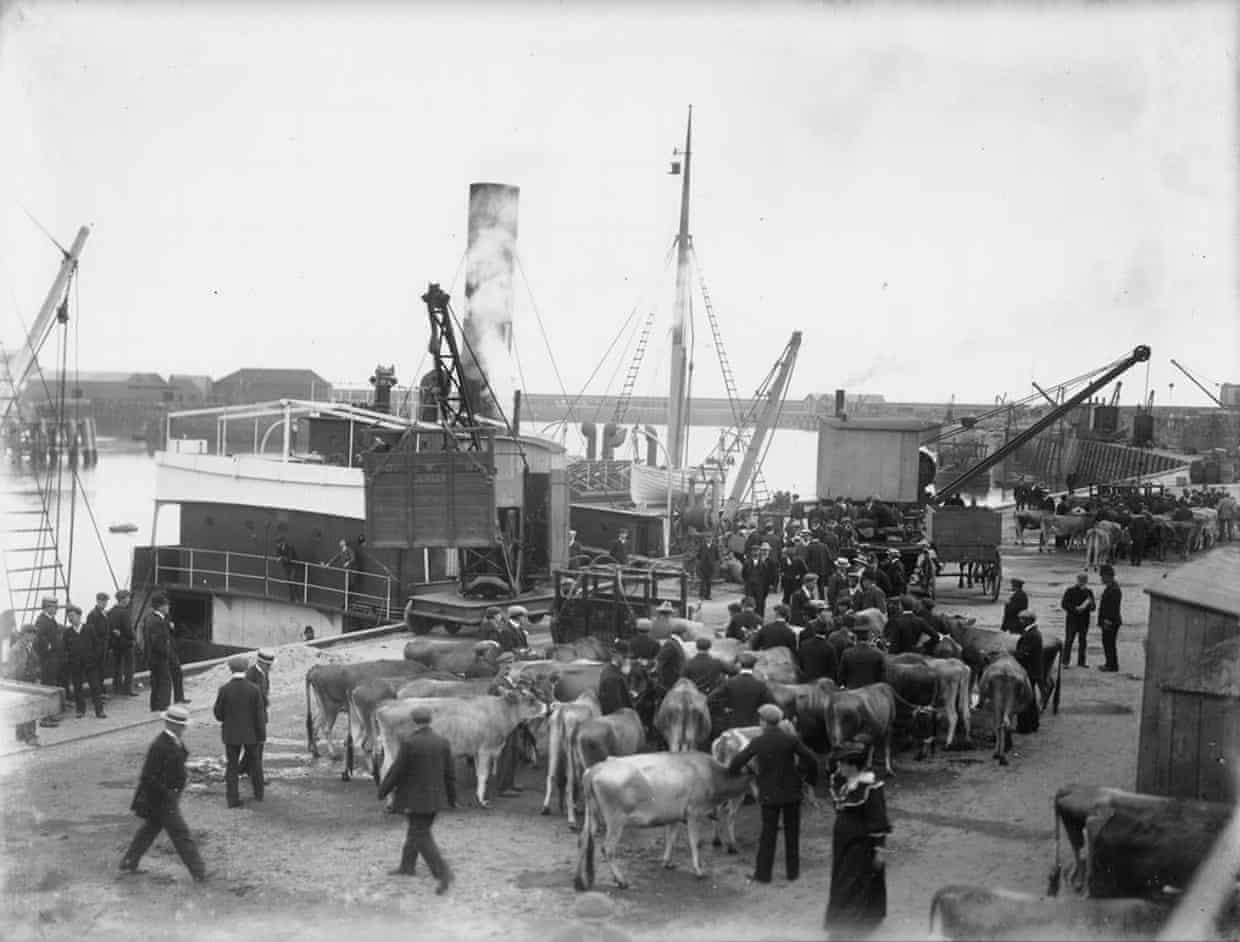
Liz Viney, 76, says some islanders would like the bankers to leave, but it would be more painful than expected. The finance community pays the taxes that keep the island going, she says.
“I think we have to live the life that, well, God gives us. And at the moment we are paid by the finance community. That's what keeps us going.”
The headline
Jersey's transformation into a tax haven has enriched the island's economy but priced out locals and damaged its reputation, forcing the government to diversify into crypto to stay competitive.





