From the Guardian · · 2m
Labor's measured migration gamble
Tony Burke defends Australia's immigration levels against political pressure to slash numbers, arguing deep cuts would harm the economy and services.
In brief
Tony Burke defends Australia's immigration levels against political pressure to slash numbers, arguing deep cuts would harm the economy and services. Labor is betting it can win the migration debate by focusing on what the economy needs rather than chasing the lowest possible net migration number. Originally reported…
Quick answers
- Can Labor win the debate?
- Whether Burke and the Albanese government can convince the public that a measured approach focused on economic needs is enough remains an open question as the migration debate heats up.
- What is the key takeaway from Labor's measured migration gamble?
- Labor is betting it can win the migration debate by focusing on what the economy needs rather than chasing the lowest possible net migration number.
Labor sticks with 225,000 migrants
Tony Burke rejected calls to slash net overseas migration, saying Labor will maintain its forecast of 225,000 people by 2027-28 rather than chase lower numbers like One Nation and the Coalition propose.
Deep cuts would trash economy
Burke argued that populist promises to slash net overseas migration would damage Australian services and the economy, pointing to severe skills shortages even with current high immigration levels.
“The lower levels will trash Australian services and trash the Australian economy.”
Two-thirds of plasterers born overseas
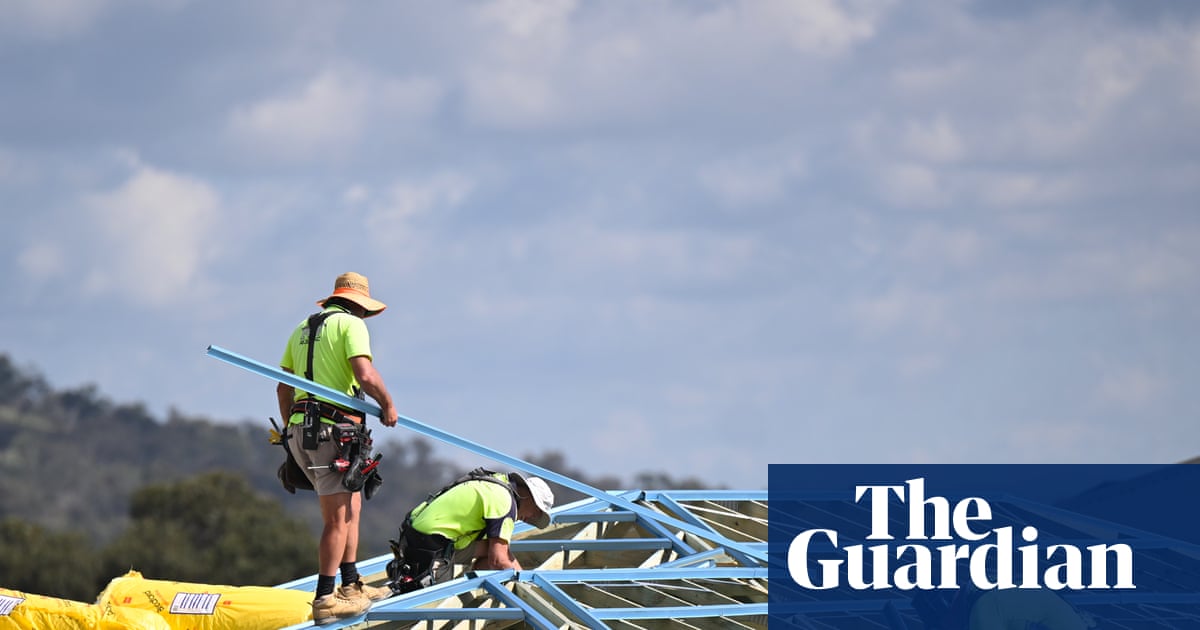
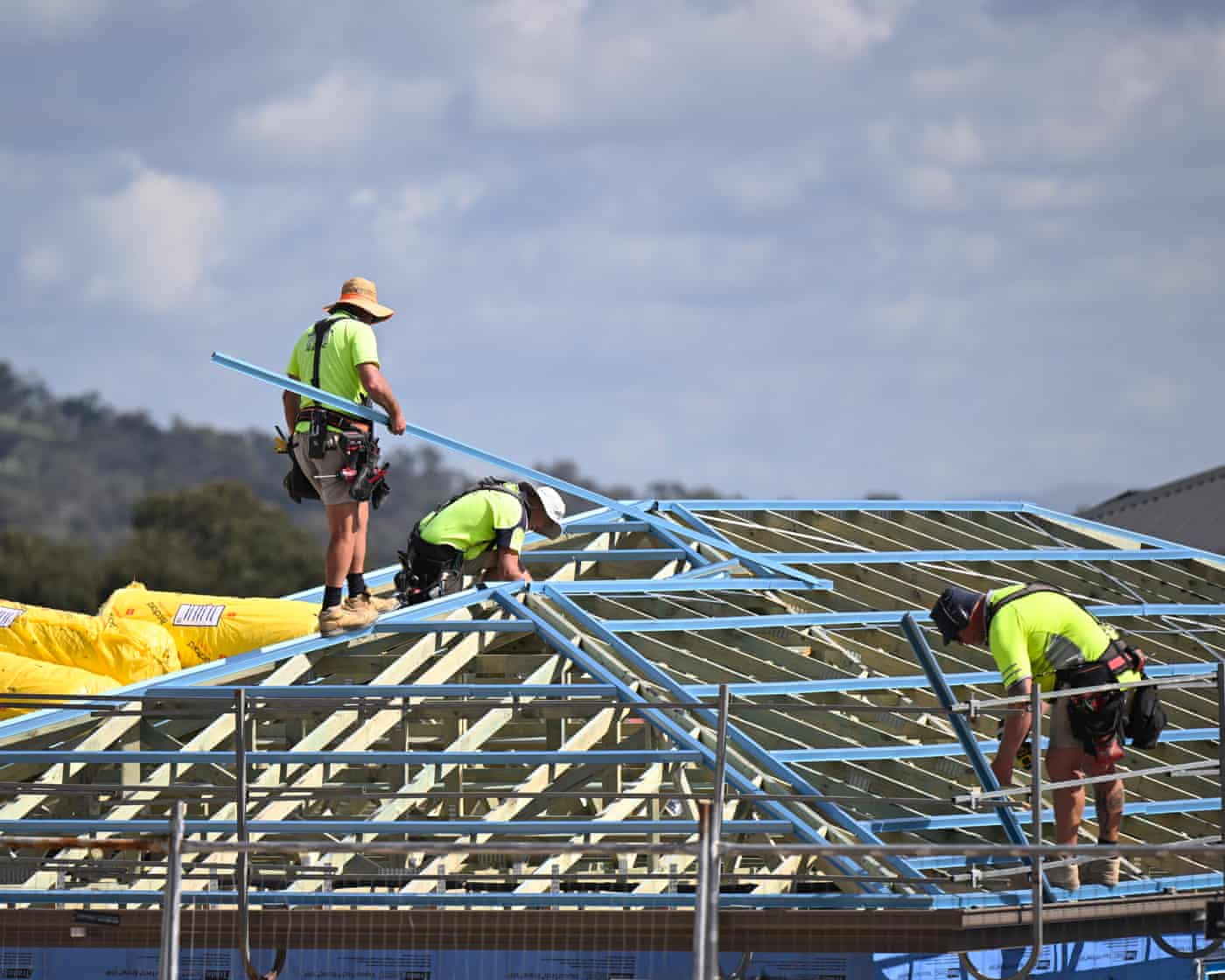
Burke highlighted that in Sydney and Melbourne, nearly two-thirds of plasterers were born overseas, illustrating how foreign workers fill critical gaps in construction and other essential trades.
“It's pretty hard to get a house built without having a plasterer involved.”
One in three jobs short of workers
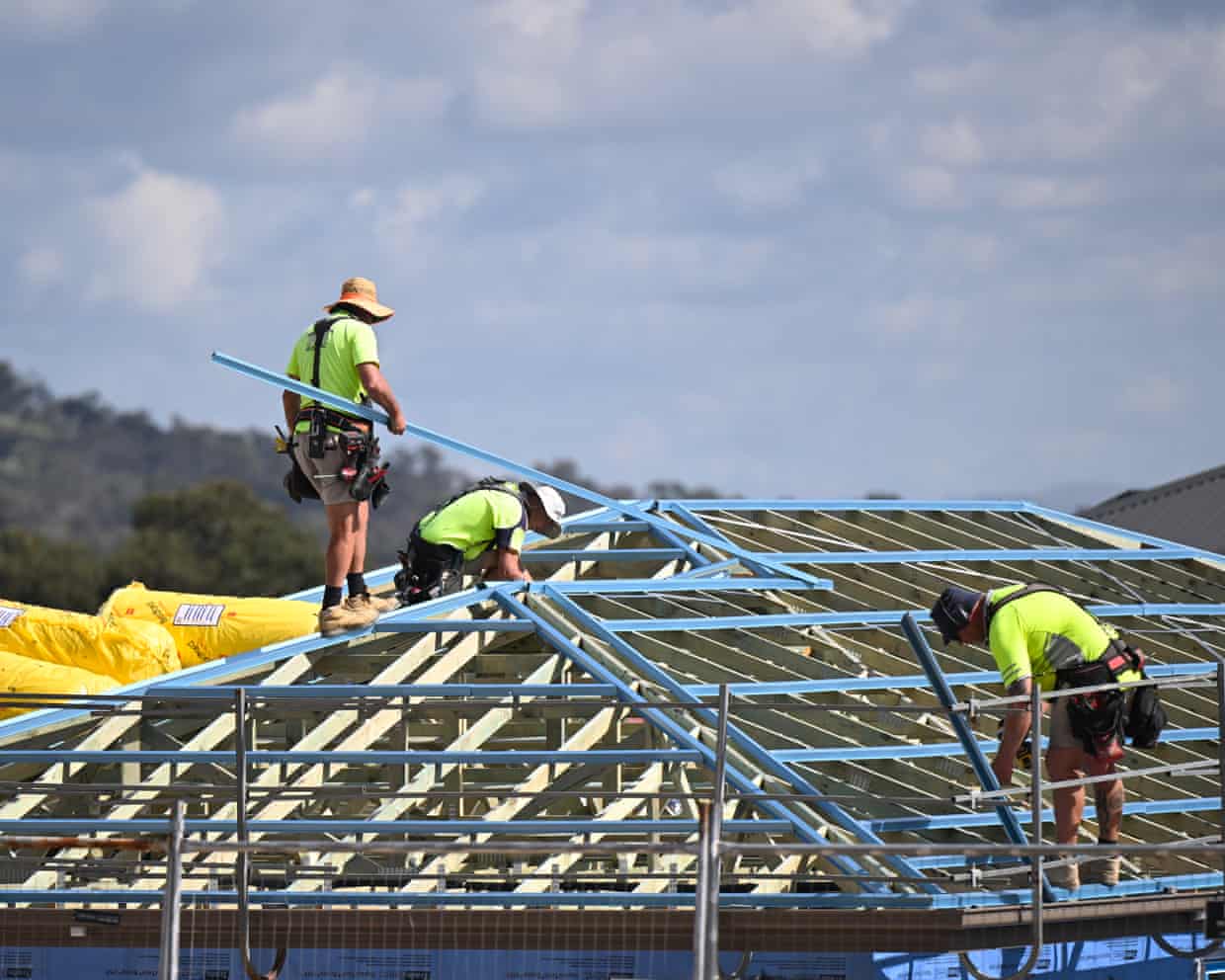
Business Council Australia chief Bran Black said almost one in three occupations are short of workers, affecting home building, hospitals, aged care, infrastructure and energy transition projects.
“Almost one in three occupations in this country are short of workers right now.”
Family restrictions would backfire
Burke pointed out that One Nation's proposal to ban skilled migrants from bringing family members would not free up more visas for workers. Instead, it would deter foreign doctors, nurses, tradies and aged care workers from coming.
Half of doctors come with families
Burke revealed that 50 percent of doctors and construction workers who come to Australia have family attached to their applications, while two-thirds of nurses and aged care workers do.
“The proportion of doctors who come to Australia with family attached to their application? 50%.”
Experts back measured approach
Alan Gamlen from the Australian National University's migration hub said Burke appeared to have announced the right mix of measures to regulate the temporary visa system without damaging the economy.
“They don't seem to have fallen into the trap of chasing a net migration number.”
Public expects government action
Burke acknowledged that Australians now view net overseas migration as a budget target rather than just a forecast, and expect the government to use tools to reach its published numbers.
“Net overseas migration has been viewed as a budget forecast. Last couple of years, people have talked about it as a budget target.”
Can Labor win the debate?
Whether Burke and the Albanese government can convince the public that a measured approach focused on economic needs is enough remains an open question as the migration debate heats up.
“Let's see if this lets out some of the hot air in the migration debate.”
At a glance
Labor is betting it can win the migration debate by focusing on what the economy needs rather than chasing the lowest possible net migration number.