From the Guardian · · 3m
Li Cunxin's 14-year wait for his second memoir
The ballet dancer and Queensland Ballet leader reflects on his wife's sacrifice, his deaf daughter's journey, and his years away from dance.
In brief
The ballet dancer and Queensland Ballet leader reflects on his wife's sacrifice, his deaf daughter's journey, and his years away from dance. Li Cunxin has published The Lucky Son, a sequel to his 2003 memoir Mao's Last Dancer, fourteen years after signing the contract, covering his life after moving to Houston Ballet…
Fourteen years to finish a book
Li Cunxin signed a contract with Penguin Random House for a follow-up to his 2003 memoir Mao's Last Dancer. The sequel took fourteen years to complete.
“I don't think they were expecting [the sequel] to take 14 years!”
The original plan changed
Cunxin intended to write about his brothers and friends in China and how the country changed over time. He was offered the job at Queensland Ballet and had to dedicate all his time to that.
Where The Lucky Son begins
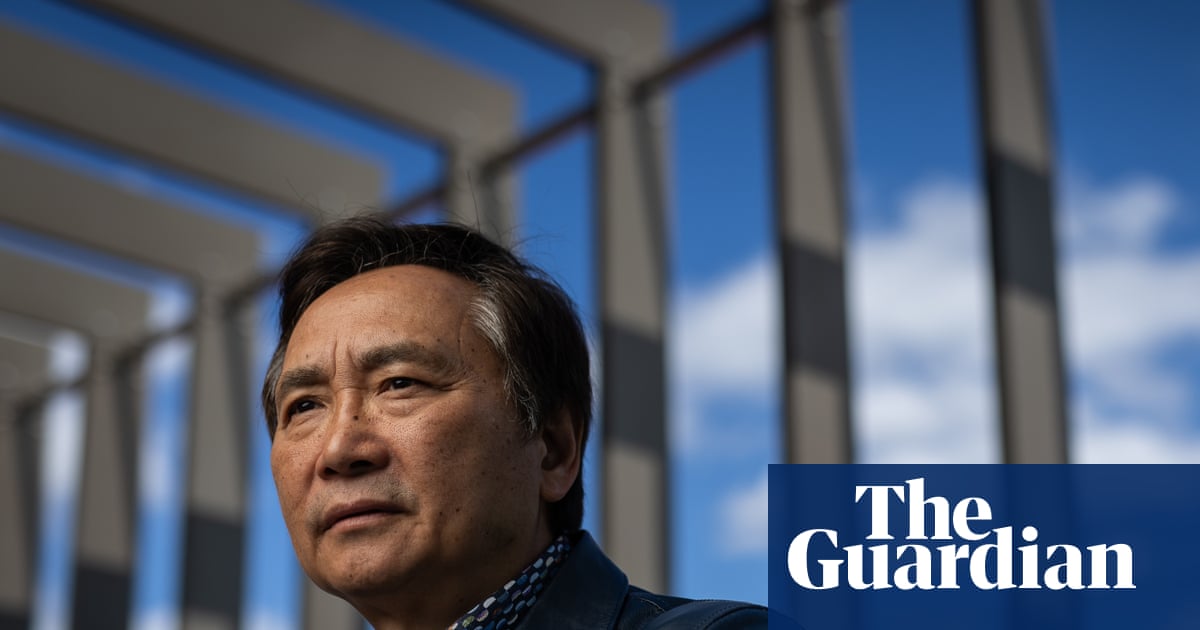
The Lucky Son picks up where Mao's Last Dancer ended, as Cunxin and his ballet dancer wife Mary fly to Houston Ballet under the directorship of Ben Stevenson.
Mary's sacrifice for their daughter
When Cunxin and Mary discovered their daughter Sophie was born profoundly deaf, Mary immediately left ballet to teach Sophie to talk. She would later return as ballet mistress at Queensland Ballet.
“Mary was incredible. She gave everything to the task.”
Sophie's cochlear implant and success
Sophie was fitted with a cochlear implant and thrived. She embraced dance, had a successful education and excelled in the workplace. Cunxin and Mary thought they had done all that was needed.
Sophie's 2015 email changed everything
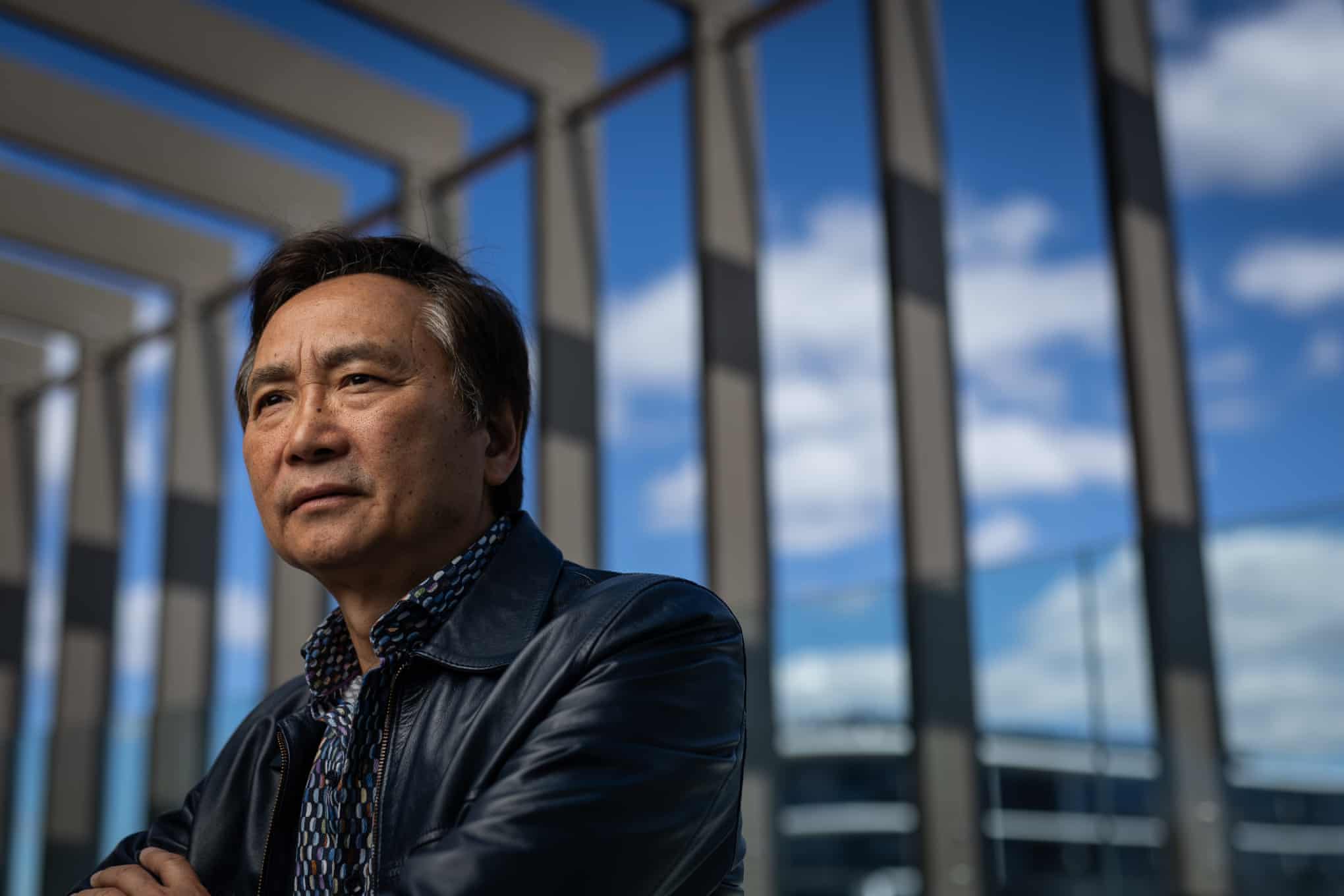
In two thousand fifteen, Sophie sent an email expressing frustration that her parents wanted her to hear but had not learned sign language. She felt her deafness was her birthright.
Sophie is now a bridge between worlds
Sophie is now a kind of ambassador between the hearing and deaf communities. Cunxin and Mary have begun learning Auslan, the sign language of Australia.
Cunxin's years away from ballet
After an unsuccessful bid for the artistic directorship of Australian Ballet, which went to David McAllister, Cunxin took a lucrative position in a stockbroking firm for several years.
Cunxin returns to lead Queensland Ballet
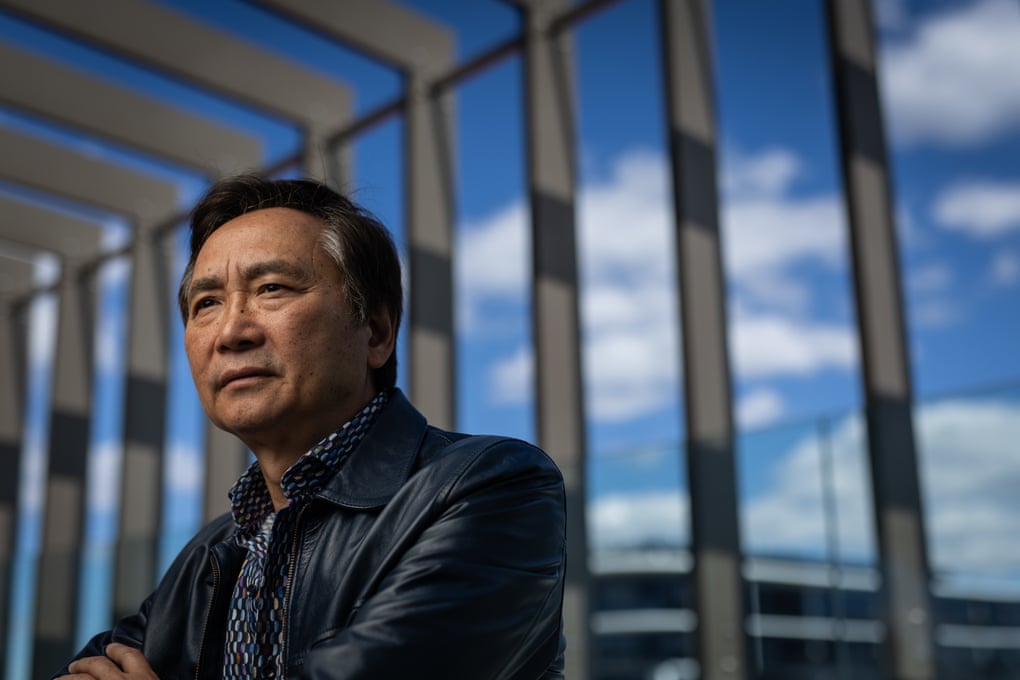
Despite being burned by his earlier failure, Cunxin reluctantly put his name forward when Queensland Ballet sought a new artistic director. He was appointed to the role.
Vision and leadership at Queensland Ballet
Cunxin oversaw a massive improvement in standards and built a stunning new home for the company, the Thomas Dixon Centre. His stockbroking experience helped him speak the language of donors.
“To be a leader of any kind takes vision. I had a very strong vision for Queensland Ballet.”
Relationships with major donors
Relationships with Elisabeth Murdoch and the Ian Potter Foundation came in handy. Cunxin and Mary also contributed money of their own. Queensland Ballet is now a world-class organisation.
The book ends with a prestigious award
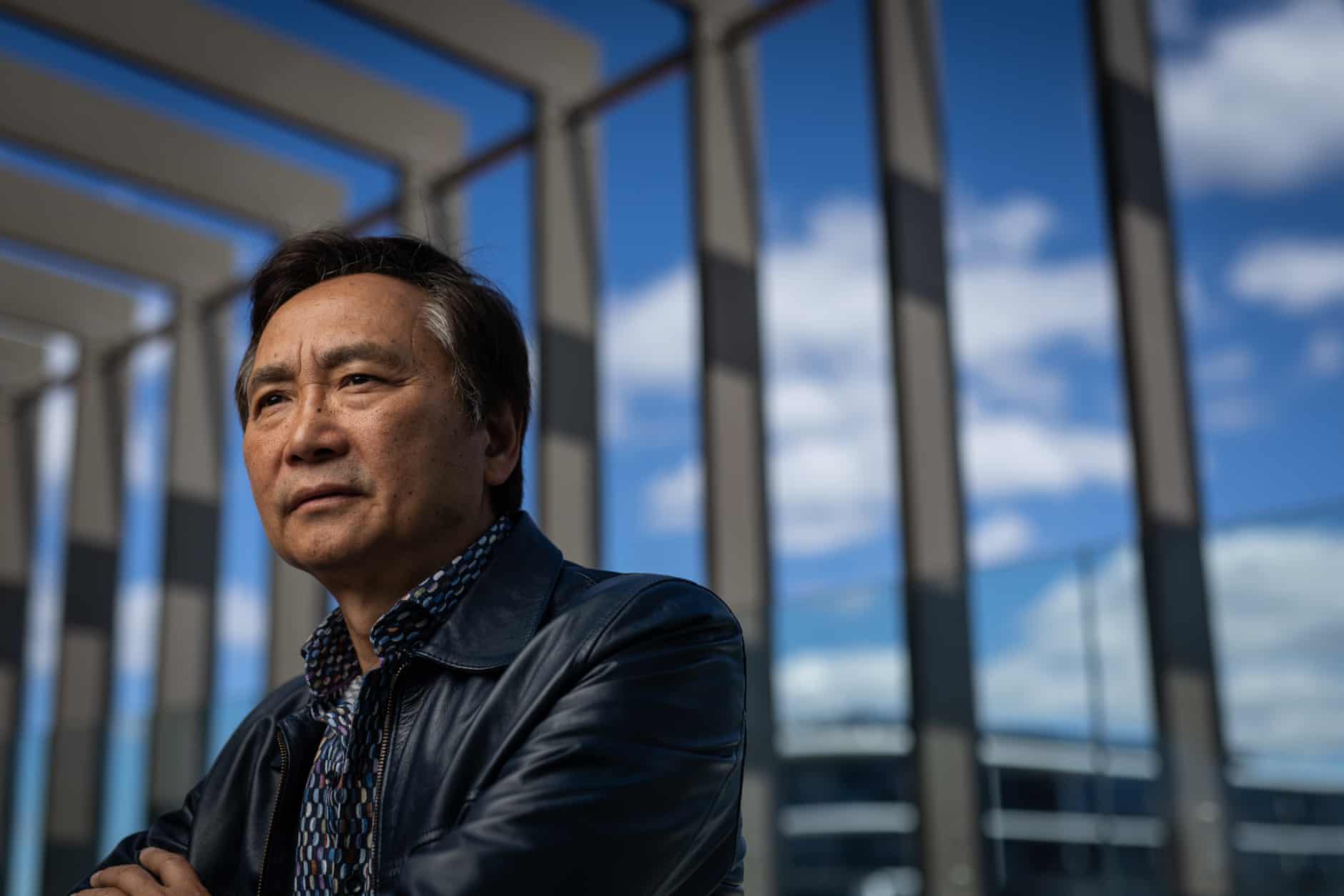
The Lucky Son concludes on stage in Switzerland, where Cunxin was awarded ballet's most prestigious award, the Prix de Lausanne, in two thousand twenty-five.
What it means
Li Cunxin has published The Lucky Son, a sequel to his 2003 memoir Mao's Last Dancer, fourteen years after signing the contract, covering his life after moving to Houston Ballet.





